




When do Autoflowers Start to Smell?

- 1. When do autoflowers start to smell and why?
- 2. How to control smells in the grow room
- 2. a. Carbon filter
- 2. b. Odor neutralizers
- 2. c. Ozone generators
- 2. d. Strain selection
- 3. Our three best-smelling strains available right now
- 4. In conclusion
Cannabis cultivation is still illegal in many countries across the world; growers indoors try to eliminate the smell, but this can be tricky, especially during flowering. Eliminating smell in small grows can be achieved with carbon filters or by having good air circulation, while big grows will need more drastic measures such as ozone generators and more than one filter. In this 2026 guide, we explain the what’s and where’s of cannabis smell and how to eliminate it.
1. When Do Autoflowers Start To Smell And Why?
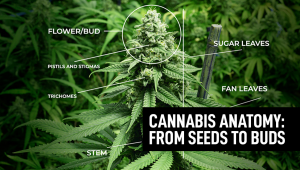
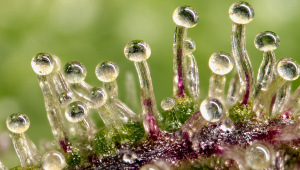
That typical cannabis smell that all growers love comes from the production of trichomes. Trichomes contain cannabinoids and terpenes, and terpenes are responsible for the smell.
With autoflowers, this happens after 4-6 weeks of growth, depending on growing conditions and strain genetics. But the general rule is your plant won’t start to smell until it enters the pre-flowering stage.
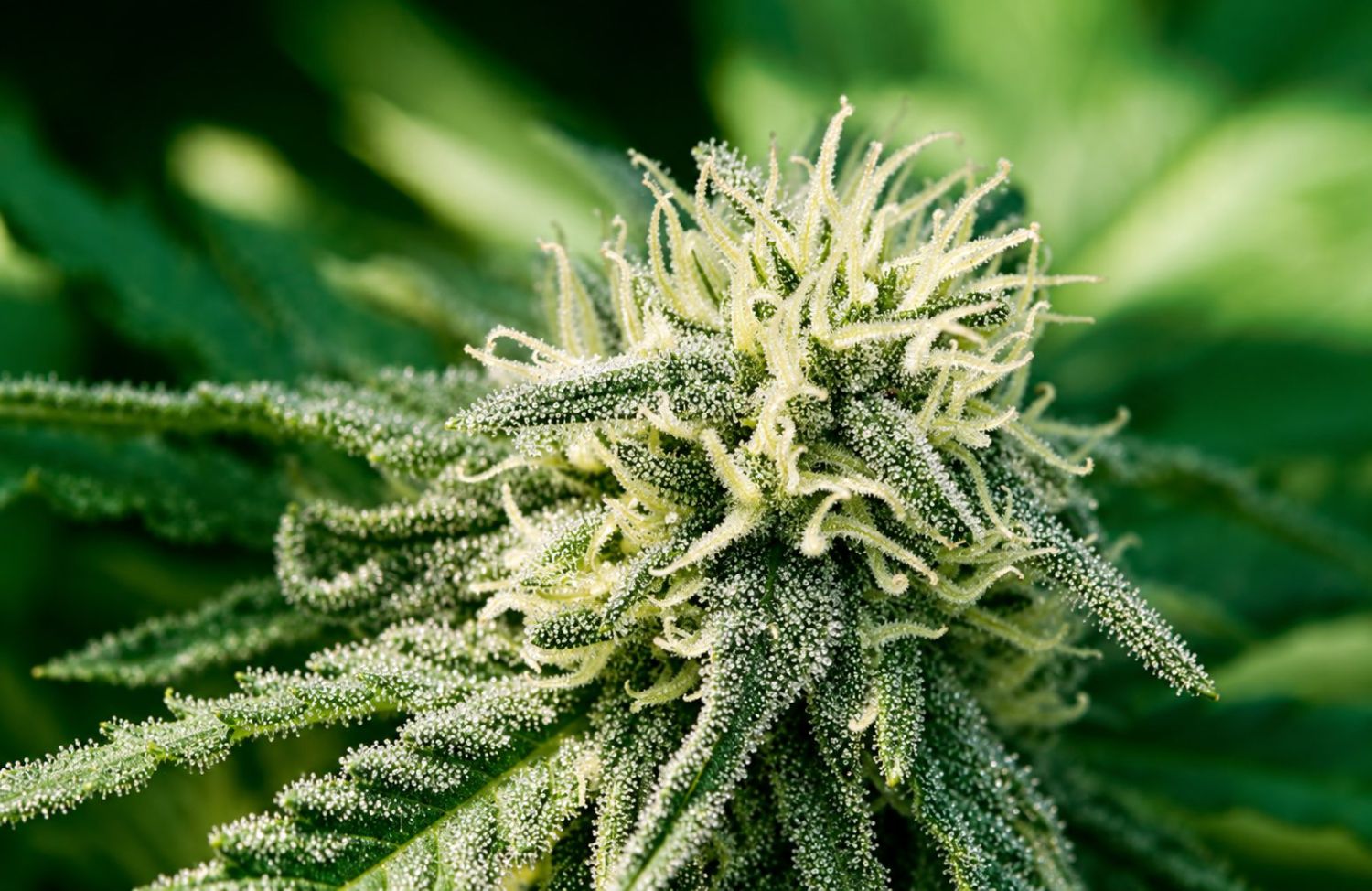
Sometimes the smell can start as early as 3 weeks into the vegetative stage since cannabis plants produce hair-like structures (Cystolithic trichomes) which can be found as early as the seedling stage. However, the smell gets MUCH stronger once the plant starts to produce Glandular trichomes (which produce and secrete a lot more chemical compounds). This happens when the plants begin pre-flowering, and it is when the smell can get out of control.
From the 4th or 5th week of flower production, the smell can become a little hard to control. As cannabis enthusiasts, we all know and love the smell of top-shelf ganja, but if you have never cultivated weed before, you may be unaware of just how overpowering the smell can be from weed that is still growing (or drying, for that matter).
This smell can, and usually will be, much, much stronger than anything you have encountered in terms of ready-to-smoke buds. That fresh flower aroma is truly a smell to behold, but even if you live in a cannabis legal area, it is an aspect of weed growing that many cultivators want to be able to control.
Ok, how do we go about controlling the smell?
There are a few handy products on the market that are ready-made to help you with the job. If you are growing outdoors, it can be a little tricky, but the smell coming off the crop will also be less intense than that of an indoor grow room. For indoor grows, there are a couple of key pieces of equipment you can use to help in masking any cannabis fragrances. We have already briefly mentioned a few options above, but let’s dive right in and take a deep look at all the options.
One thing to keep in mind is to never skimp on cannabis equipment. Sure, you can go online and find grow tents, carbon filters, fans, and whatever else for slashed prices. But these are most likely inferior knockoffs that really won’t serve you. Take a cheap tent as an example. These will leak smells like nothing else, no matter how good the carbon filter is. Do yourself a favor and buy decent equipment the first time around; you’ll save a bunch of money in the long run.
2. How To Control Smells In The Grow Room
Carbon Filter
This is possibly one of the best methods of minimizing smell in an indoor grow. It’s a proven and tested method and works with grow spaces of all sizes. Carbon filters work by pulling odor and filtering impurities from the air that is pushed through the filter by an exhaust fan.
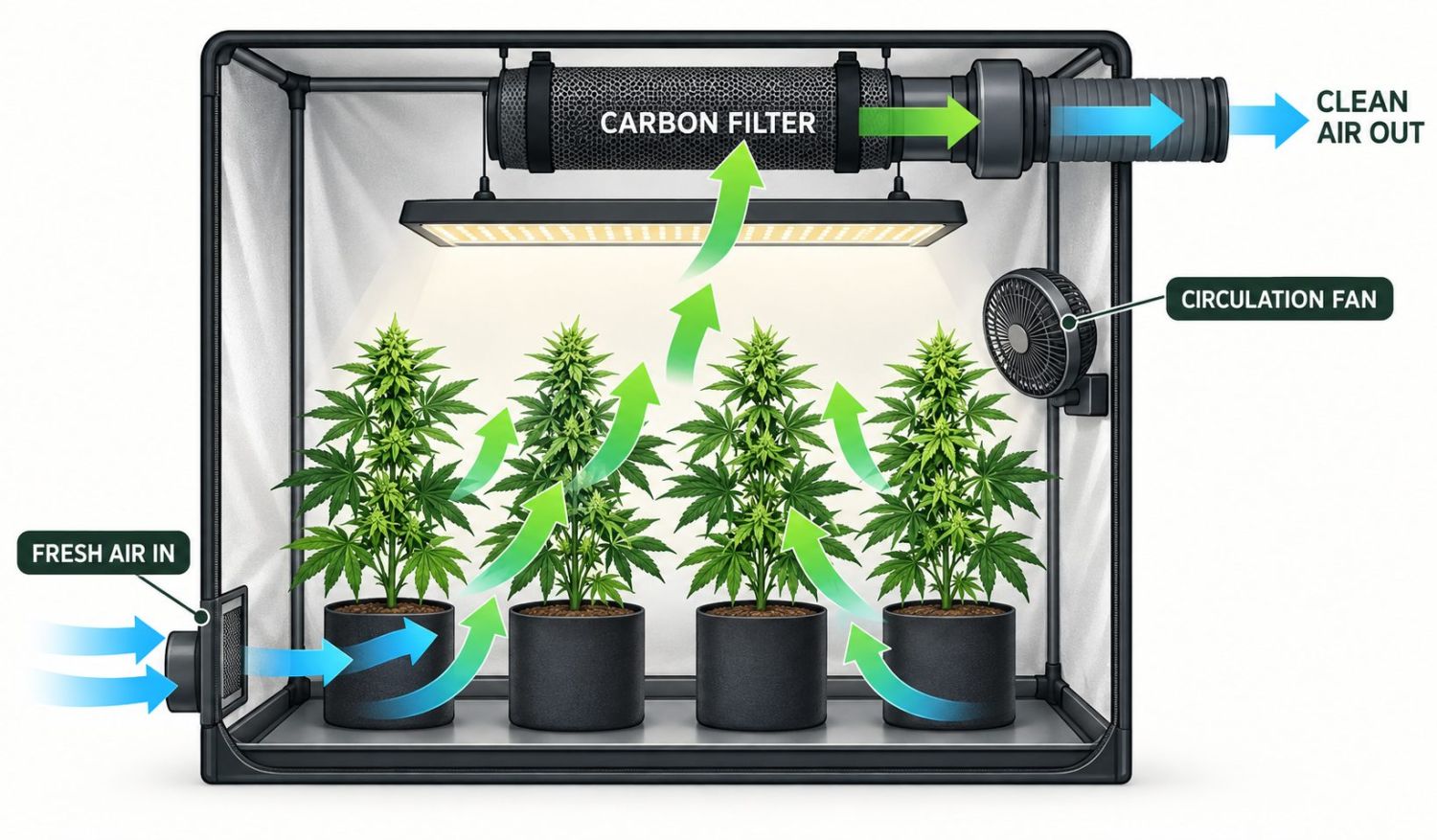
It is important that there are no air leaks and that all the smell goes through the filter so that nothing but odorless air comes out. Carbon filters come in different sizes (depending on the capacity of your grow room) and can be found in any grow shop.
Odor Neutralizers
A cheap solution in covering up the smell is using odor neutralizers. Unlike a carbon filter, odor neutralizers don’t clean the air; these products are designed to mask unpleasant smells. Growers may use air sprays or incense to try to mask the smell, but it won’t be very effective.
Odor neutralizers usually come in the form of gel and have active chemicals. In order to maximize their potential, you have to keep them active constantly. Since they work on the chemical level, you have to be careful by placing them close to your plants because you have a high risk of altering the taste and smell of the buds.
The downside to these products is they have a short effective period, and you need to keep changing them. Some growers don’t even consider this as a plausible solution unless you have a really small grow space.
Tip: Nowadays you can find environmentally safe odor neutralizers, but we still recommend investing in a carbon filter.

Ozone Generators
An ozone generator is a device that can be used as an air purifier, removing contaminants from the air. Ozone generators are usually used in big grow spaces with a large number of plants. They were more recently introduced in cannabis gardening, and they claim to be an effective way to eliminate odor, impurities, and even pathogen bacteria from the room.
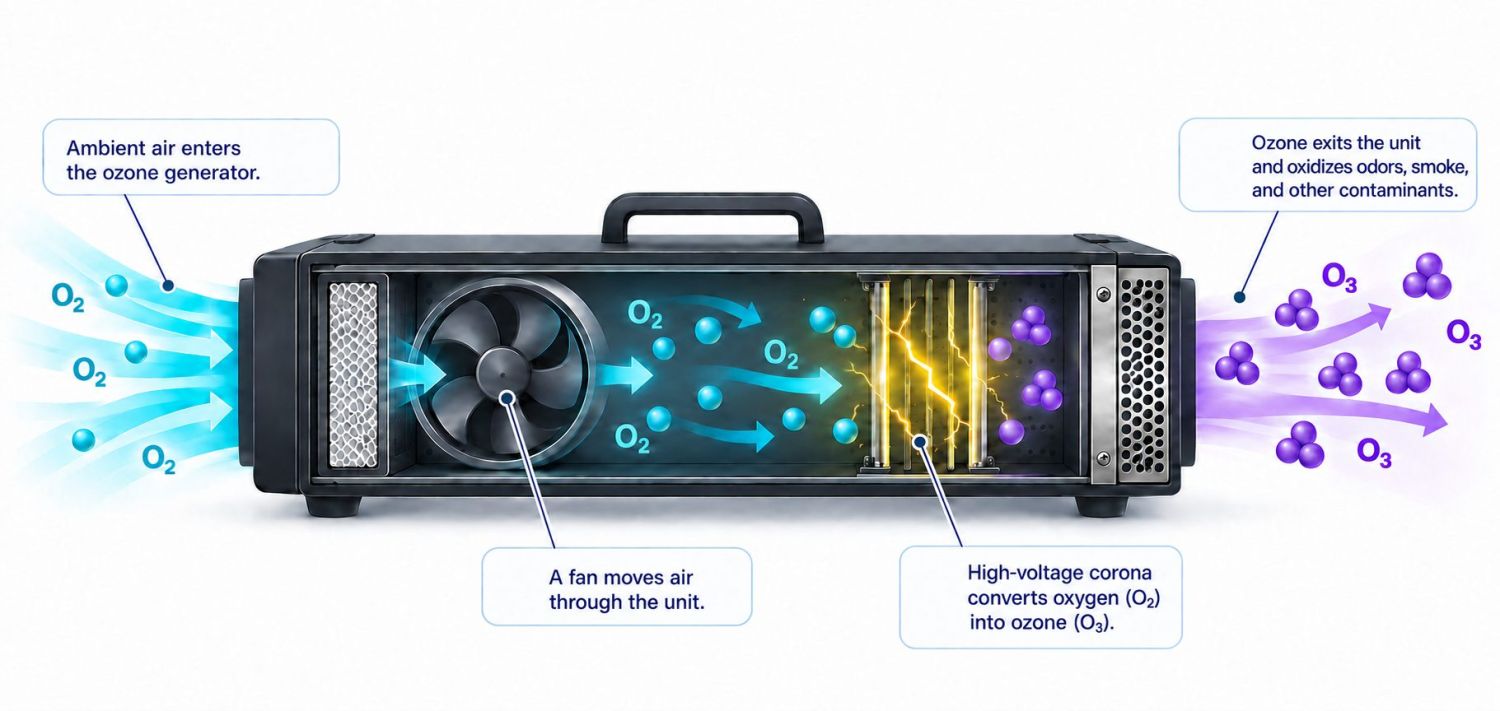
Despite the high cost of the device, it comes with the huge downside being harmful to the environment and causing lung irritation. Ozone generators are even banned as a product in some countries, so we recommend talking to your local grow shop before using one.
Strain Selection
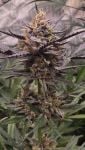
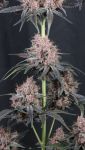
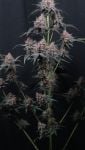
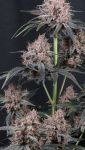
This method isn’t really very effective. All autoflowers smell, even though some may smell less than others. Choosing a strain with less odor may help in a small grow. Strains with softer flavors and sweet terpenes, such as fruit, like Mango Cherry Runtz Auto and Ztrawberriez Auto, tend to produce less pungent smells.
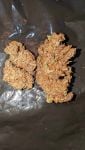
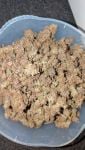
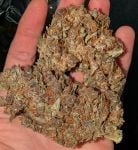
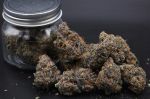
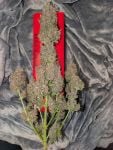
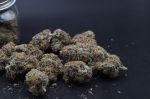
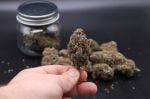
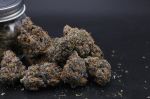
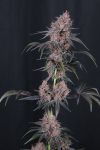
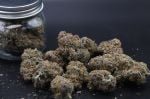
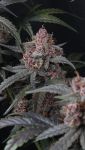
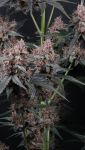
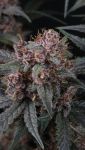
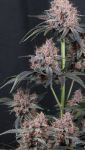
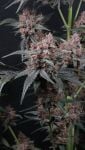
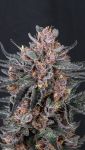
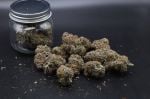
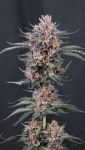
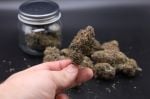
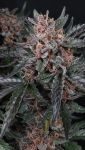
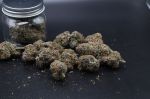
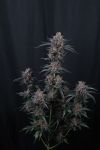
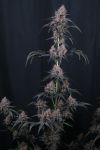
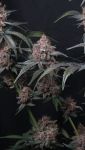
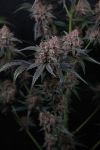
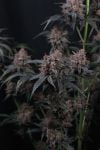
But we all know every grower likes that unique cannabis smell, so in any case, we still recommend investing in an air filter and growing the strain you prefer, regardless of smelling too much or not.
3. Our Three Best-Smelling Strains Available Right Now
There was a very interesting experiment done quite recently at one of the larger cannabis competitions in Los Angeles, USA. Instead of the judges receiving a score sheet explaining all the stats on each selection, they were asked to judge the flower samples totally blind. That means no THC percentages, no terpene profile readouts, and they were not even permitted to see the buds - no previous information whatsoever. And you know which buds scored the highest? Well, it wasn't the strongest buds. Nor was it the buds that had the biggest visual bag appeal.
Nope, the winner actually was the entry with more aroma and flavor. Despite the lower THC content, the result proves something that many people don't seem to get - Aroma and flavor are king when it comes to satisfaction with buds.
The field for this comp was absolutely littered with some of the strongest, best-looking strains available. But the overall winner was nowhere near the most purple, the most frosted, or the strongest. I was simply the best-smelling and best-tasting by a long way. It also offered a super clean, easy high. So, if you are looking for our most satisfying strains right now, you need to check these out.
Lemon Tree Auto
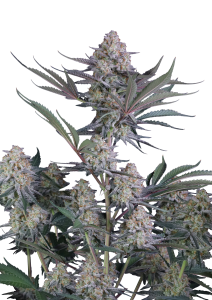
Lemon Tree Auto is one of our newest strains on offer and is an absolute beast with a super complex flavor and aroma profile. The thick and dense, frosty-as-all-hell buds give off a pungent sour tang, which is rounded out by a delicious lemon and lime mix. Flavor-wise, she is full of surprises. It starts out with the expected sour lemony rush, but that quickly fades into the complexity of fizzy lime soda with a touch of mint.

Strawberry Gorilla Auto RF3
Strawberry Gorilla Auto RF3 is one of the most reliable, resilient strains to date, and one of the best-smelling autos of all time. With a perfectly balanced mix of earthy kush flavorings, combined with a powerful strawberry-like taste, this 31% THC autoflower is the perfect strain for those seeking powerful terpene profiles and extreme potency.
Lemon Cherry Cookies
Last up is Lemon Cherry Cookies Auto. The strain offers super juicy aromas of cherries and sour lemons, with a sweet cookie dough background, and the flavor profile only backs that up. This is a 28.5% THC strain that is completely ready for harvest in 8 weeks.


4. In Conclusion
Regardless of the size of your grow operation, we recommend investing in an air filter. The price can vary, starting at around 50 bucks and going up to 200 or more. This is the only way to be sure all the smell is eliminated, thus avoiding problems with neighbors and the law.
FAQ
Seedlings generally produce no noticeable odor. Any scent during this stage is usually mild and only detectable up close.
The smell is typically strongest during the middle and late flowering stages, when the flowers produce more aromatic compounds.
Not at the same time but rather at the same stage. The timing depends on the strain, growing conditions, plant health, and the speed of its life cycle.
Not necessarily. Autoflowers can smell just as strong as photoperiod plants. The terpene profile and how strong it is depends on the specific strain.
Yes, some plants develop a mild herbal or skunky scent during vegetative growth, although strong odors usually appear after flowering begins.
The odor can remain noticeable throughout flowering, harvesting, drying, curing, and storage if it is not properly contained.
Generally speaking, varieties with skunky, diesel, or cheese terpene profiles tend to produce stronger odors.
Yes. Some varieties tend to produce less pungent odors, although no cannabis plant is completely odorless.
The strain’s genetics and breeder description can provide clues, but environmental conditions and individual plant variation also affect odor intensity.
Yes. Harvested flowers can smell especially strong during trimming, drying, and curing because aromatic compounds remain concentrated in the plant material. However, plants do not continue to produce aromatic compounds after they’ve been harvested.
Comments