




What Are Trichomes And Their Importance

- 1. What are trichomes?
- 2. What’s inside trichomes?
- 2. a. What’s inside trichomes: terpenes
- 2. b. What’s inside trichomes: flavonoids
- 2. c. What’s inside a trichome: cannabinoids
- 3. Different types of trichomes
- 3. a. Bulbous trichomes
- 3. b. Capitate sessile trichomes
- 3. c. Capitate-stalked trichomes
- 4. Different colors of trichomes and what they mean
- 4. a. Clear trichomes
- 4. b. Cloudy trichomes
- 4. c. Amber trichomes
- 5. The importance of trichomes
- 6. How to boost trichome and terpene production in your cannabis crop
- 7. Harvesting trichomes for extracts and concentrates
- 8. In conclusion
Everyone who grows cannabis seeds eventually comes around to learning about the anatomy of the plant, especially about trichomes. These small glands present in cannabis are responsible for not only getting you high but also for the characteristics of each strain. If you still don’t know what trichomes are or why they’re important in 2026, read on.
1. What are Trichomes?
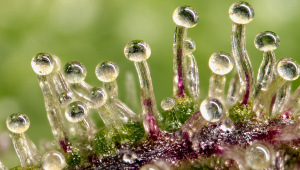
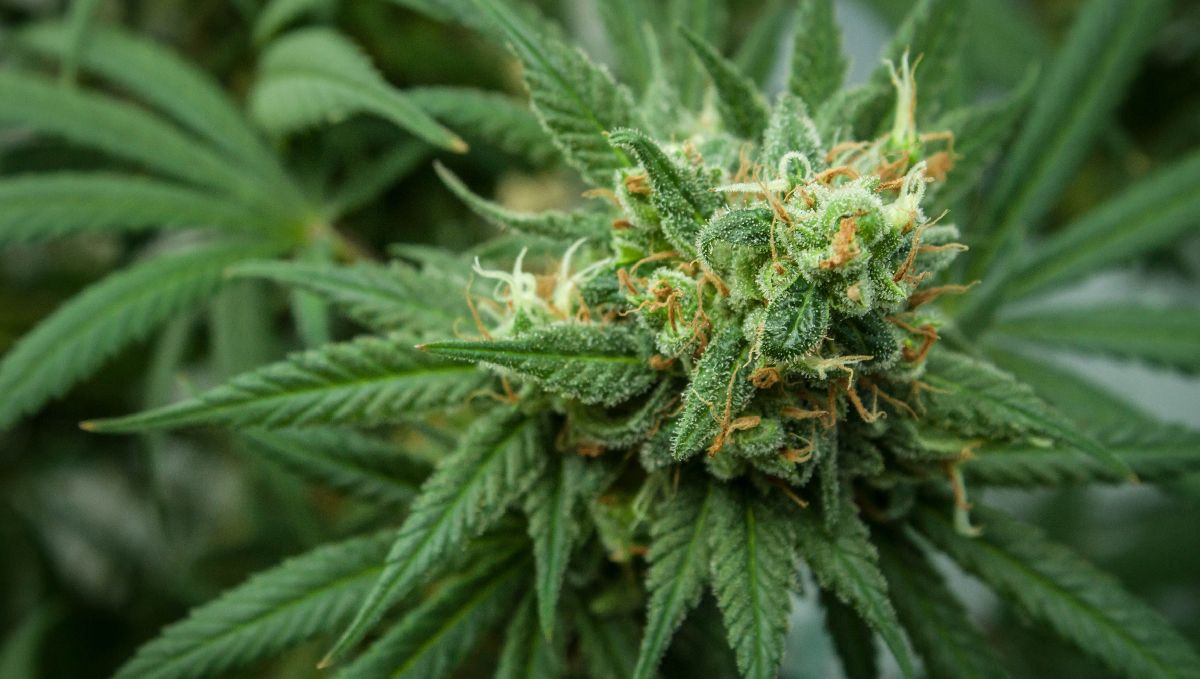
Trichomes are the sticky part of the plant. They are mushroom-looking glands that produce and store all the compounds that get us high. These glands have a width that ranges from 10 to 100 nanometers and are the reason for the shiny and frosty appearance of the buds.
Generally speaking, trichomes begin to appear on cannabis as soon as the plants enter the flowering stage. They continue to appear toward the end of the lifecycle and are at their peak potency just as the plant is ready to be harvested.
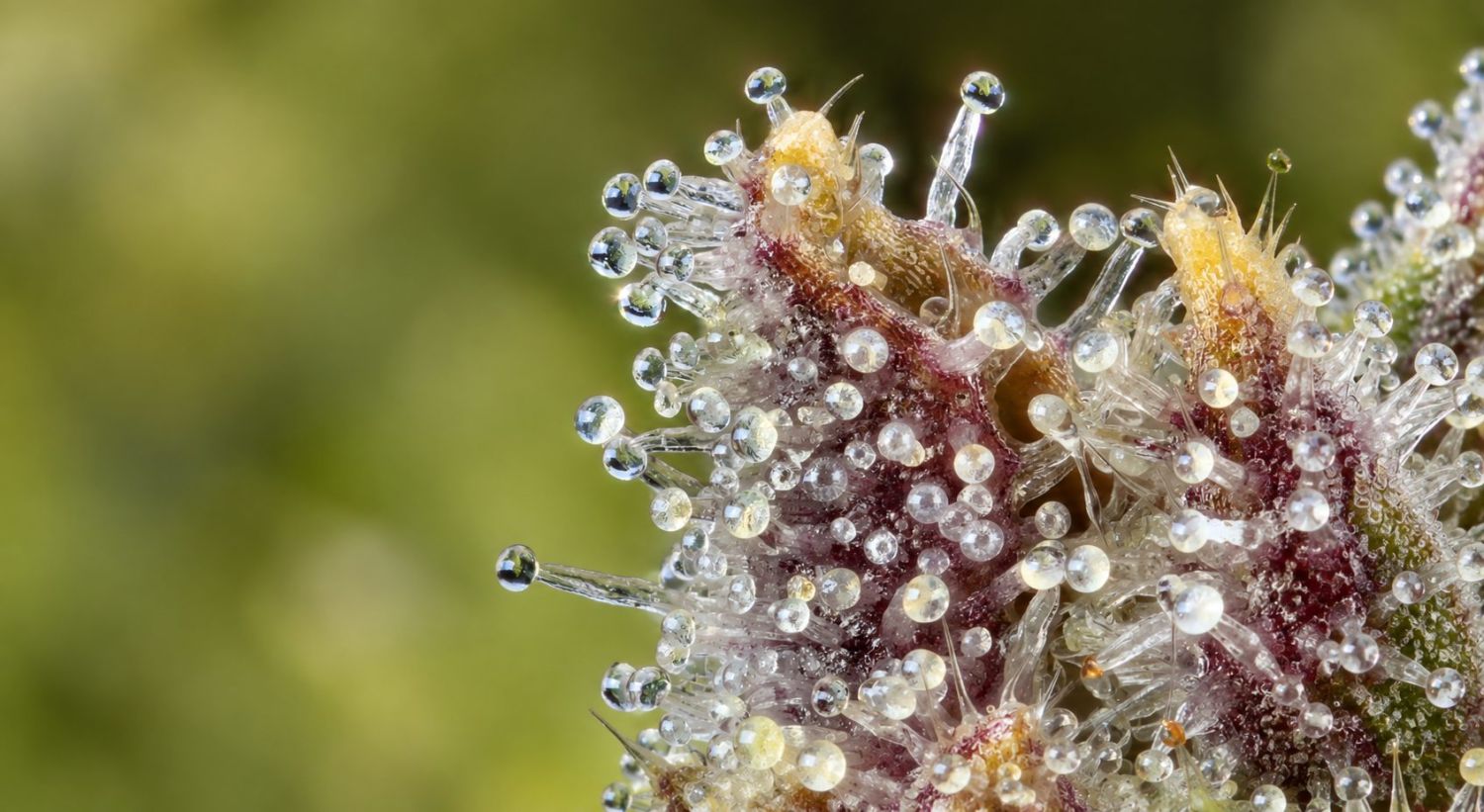
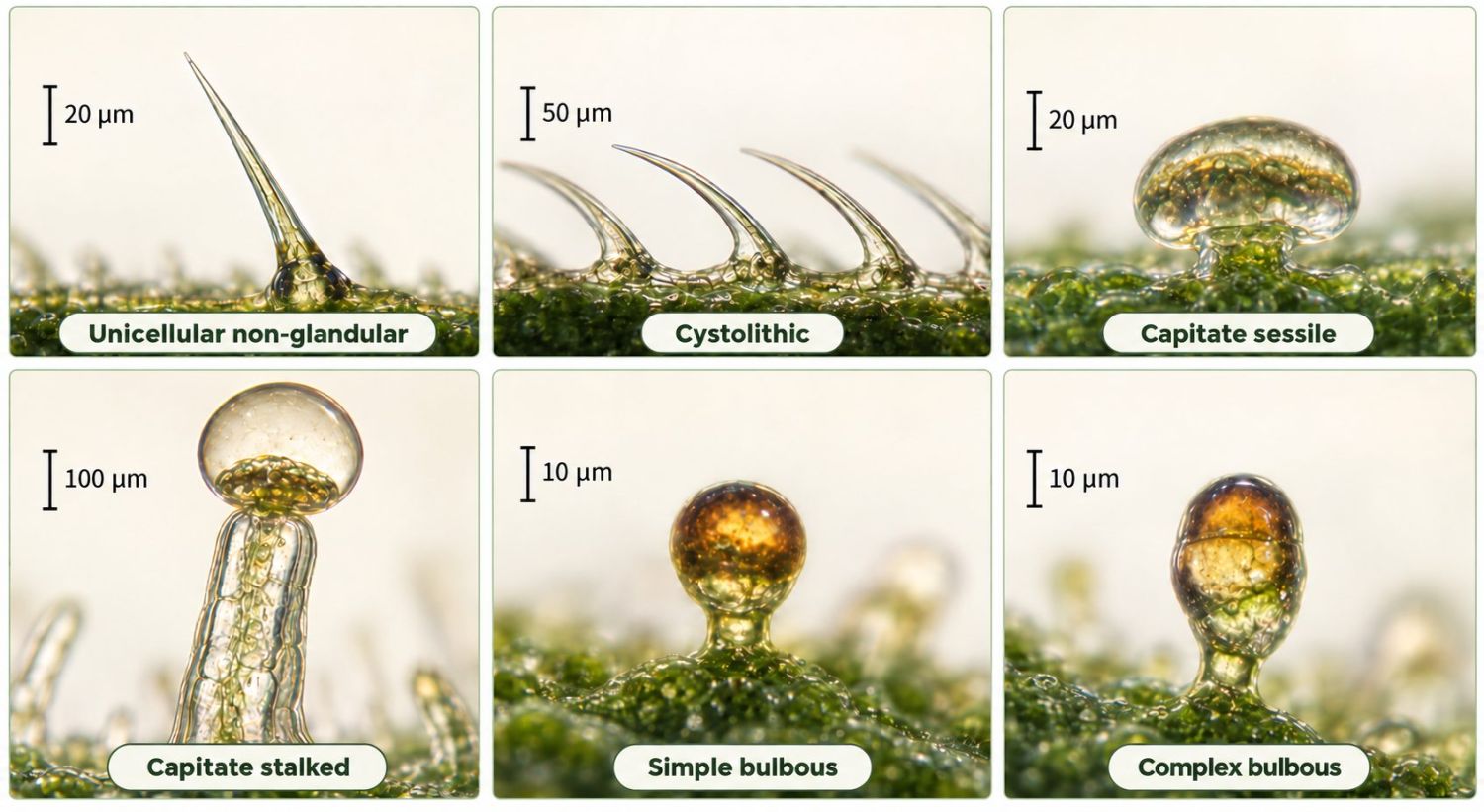
However, as you’ll read below, there are different types of trichomes. Some can appear as early as the seedling or vegetative stage; these are known as cystolithic trichomes, or cystolithic hairs. The main difference between these and the trichomes that appear during the flowering stage is that cystolithic trichomes lack a “head,” so they contain very low levels of chemical compounds.
As the plant’s buds begin to develop, trichomes also start to form along the stalk, the leaves, and the buds. Growers need to be careful when handling their plants during the flowering stage, as trichomes are volatile and can be degraded by physical contact, as well as heat, light, and oxygen.

2. What’s inside trichomes?
Trichomes not only produce cannabinoids, flavonoids, and terpenes but also store them. When trichomes rupture, they release the sticky resin inside, the same substance that gives cannabis buds their stickiness and is extracted to make products such as hashish.
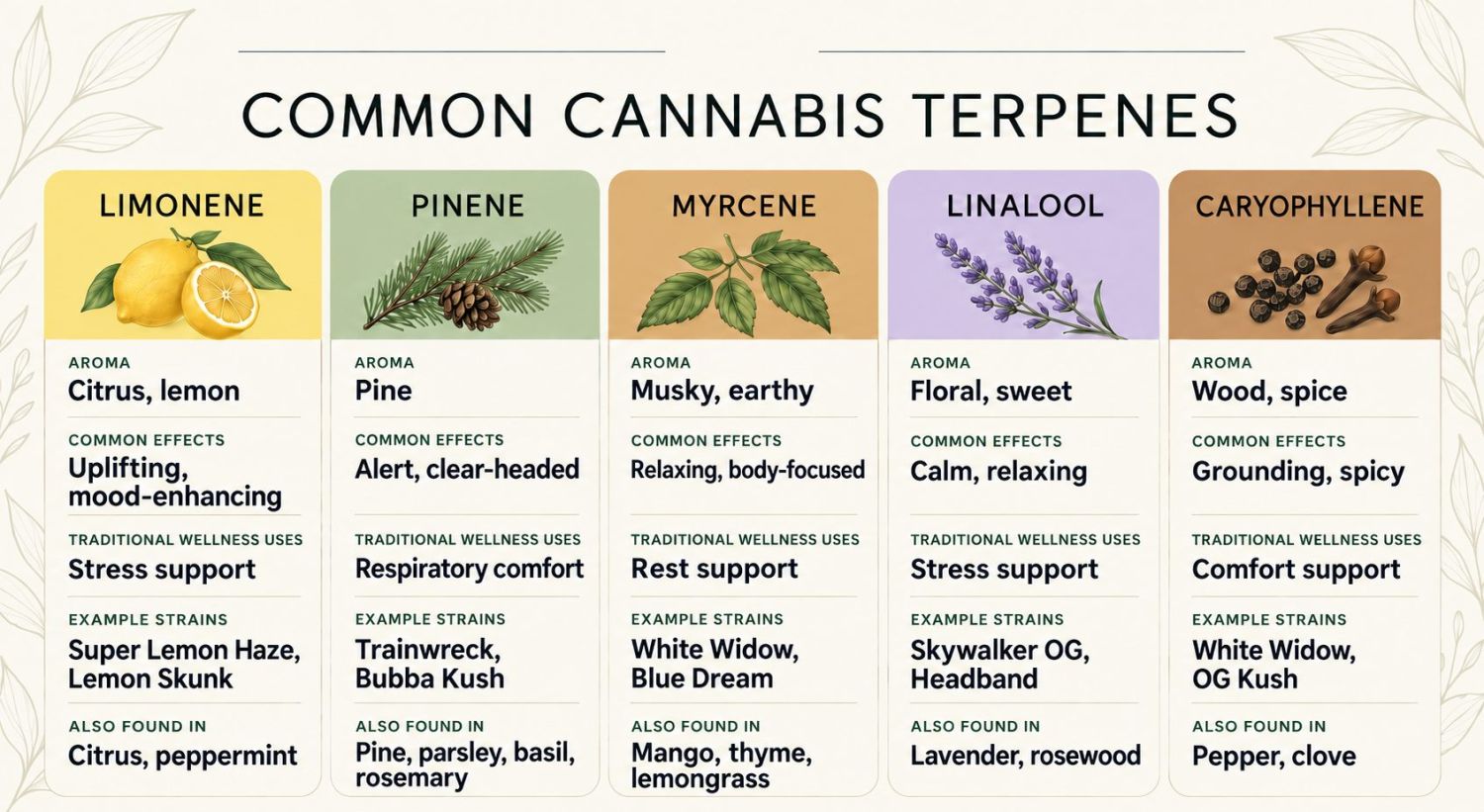
What’s inside trichomes: Terpenes
Terpenes are responsible for giving flowers their flavor and aromatic diversity. Terpenes have been shown to work with cannabinoids to enhance their natural properties. Like cannabinoids, terpenes interact with receptors to provide a variety of effects.
What’s inside trichomes: Flavonoids
Flavonoids are phytonutrients that contribute to the plant’s color, taste, and smell. Cannaflavins (flavonoids unique to cannabis) work together with the other compounds to provide a wide variety of health benefits. Along with terpenes, it has anti-inflammatory properties, for example.
What’s inside a trichome: Cannabinoids
Cannabis contains more than 100 cannabinoids, including THC and CBD. These cannabinoids interact with your body’s endocannabinoid system. Along with terpenes and flavonoids, they are what provide cannabis effects.

3. Different Types of Trichomes
Trichomes can be found in many species of plants throughout nature. They can take different forms and purposes. In cannabis, they can be found in three different varieties:
Bulbous Trichomes
Bulbous trichomes are the smallest of the three types and can only be seen with the aid of a magnifying glass. They are the smallest and less abundant on cannabis, usually measuring about 10-15 nanometers. Even though they contain cannabinoids, terpenes, and flavonoids, their small size limits their capacity.
Capitate Sessile Trichomes
Capitate Sessile trichomes are the second largest of the three and are more abundant on the plant. These types of trichomes are the ones that most closely resemble a mushroom with a wide head and a short body or “stalk”. They range from 25-95 nanometers.
Capitate-stalked Trichomes
Capitate-stalked trichomes can range from 50 -100 nanometers and are the largest variety of glands. They’re the ones you’ll likely notice when looking at your flowers. They have a relatively large round head and a long stalk. This is the type of trichome that has the most compounds stored inside due to its size.
4. Different Colors of Trichomes and What They Mean
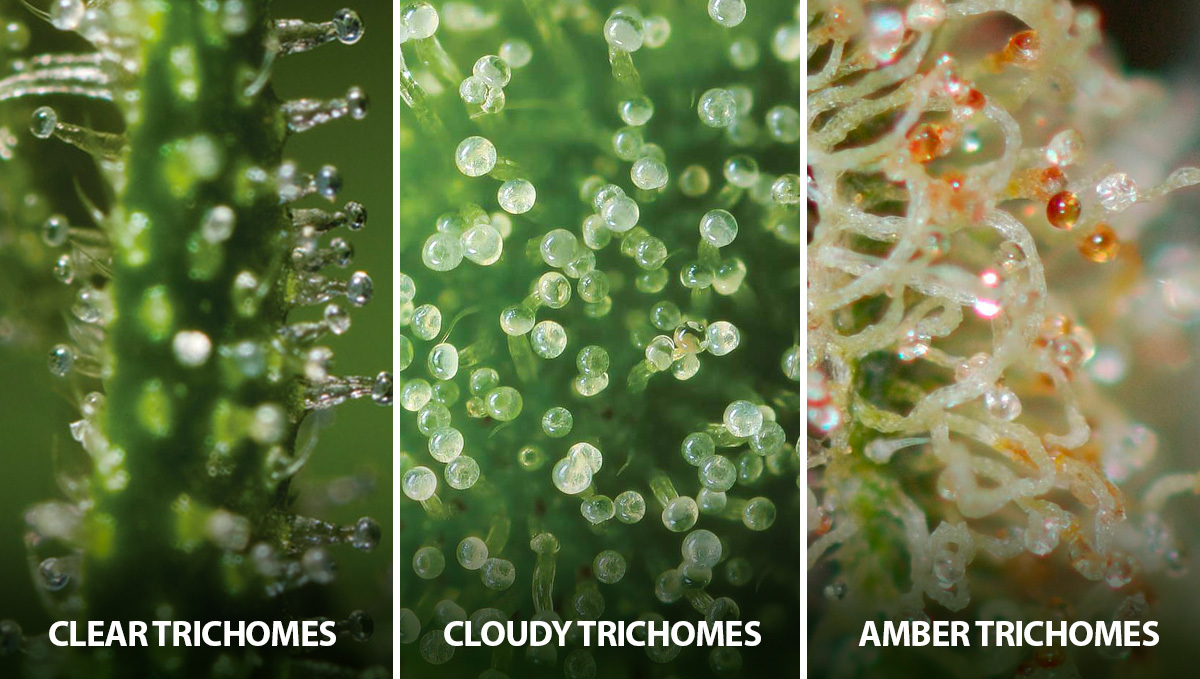
Just like the cannabis flowers ripen and mature, trichomes do too. They go from clear, then cloudy, ultimately turning amber. By the color of trichomes, we can see if cannabinoids have started oxidizing, and this way we can know what kind of effect to expect from our flowers.
Clear Trichomes
Clear trichomes mean cannabinoids and the other compounds haven’t started oxidizing yet and are relatively newly grown. At this moment, THC and terpenes production is at its peak, while CBN levels are still low. This means harvesting at this color will have a more cerebral psychoactive effect.
If you seek that rushy head high associated with Sativa strains, you can experiment with our Pineapple OG Auto. Harvesting her at this stage will definitely exacerbate her Sativa effects.
Cloudy Trichomes
Cloudy trichomes indicate that a small percentage of the THC has converted into CBN, resulting in a more balanced effect that is closer to what the strain is intended to deliver.
This is when most growers harvest their flowers, and it is generally considered the right time to harvest. The mix of cloudy and amber trichomes will deliver a pleasant head high that gradually becomes more relaxing.
Amber Trichomes
If you’re looking for a higher CBN content for a more Indica-like effect (relaxing, couch-lock, sleep aid type of high), you can leave your buds to mature a bit more.
At this stage, most of the THC has converted to CBN and will produce far more of a body-high than a head-high. This is usually for growers who are growing medicinal flowers and can be ideal for people looking for pain-relieving flowers or to treat insomnia, as well as recreational users who want to reduce some of the more powerful psychoactive effects that harvesting early can provide.
Harvesting at this stage will give you a full-body high with a slight mood-enhancing effect.
5. The Importance of Trichomes
Trichomes provide several benefits to the cannabis plant. These tiny structures form part of the plant’s natural defense system: their physical presence and chemical secretions may help deter herbivores and protect against certain bugs or pests. They may also offer some protection from environmental stressors, including ultraviolet radiation.
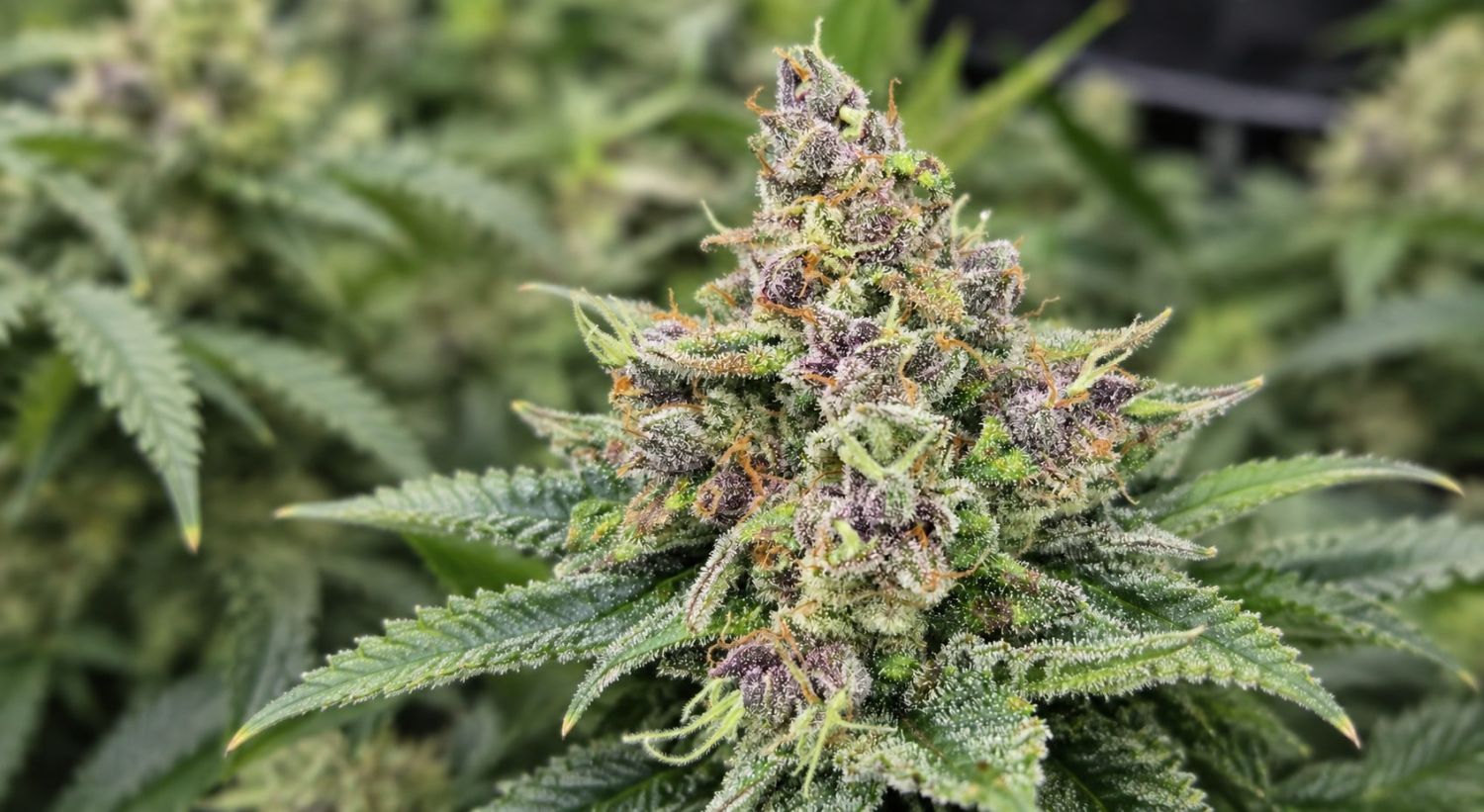
For consumers and growers, glandular trichomes are especially important because they are the primary sites where cannabinoids and terpenes are produced and stored. These compounds contribute to cannabis’s effects, aroma, and flavor. Flavonoids, which are found in trichomes as well as other plant tissues, may also contribute to flavor, aroma, and pigmentation. Together with factors such as cannabinoid concentration and ratio, these compounds help create the distinctive chemical profile of each cannabis cultivar.
6. How to Boost Trichome and Terpene Production in Your Cannabis Crop
There are multiple techniques that cannabis cultivators use to try and maximize trichome production in their crops, ranging from simple choices before the crop is germinated to complicated methods that are seen as closely guarded secrets. Let's run through a few of the more common ways to ensure you get the frostiest, stickiest, dankest yield possible.
It All Starts with Seed Selection
The genetics of a cannabis plant are the main influence on what kind of terpene profile your plants will produce. When choosing seeds, make sure to do your research and find varieties that are known for producing high levels of trichomes and terpenes. It's also good to consider the cannabinoid profile of a particular strain and whether that profile is the outcome you are looking for.
The Growing Environment Plays a Huge Role in Trichome Production
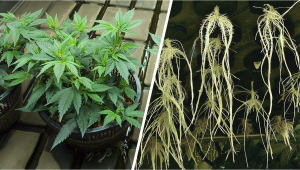
Providing the right environment for your cannabis plants is critical to maximizing trichome and terpene production. Temperature, humidity, light, and nutrients all play a role in how well your plants will develop.
That is because optimal environmental conditions allow a plant to reach its full potential. Less-than-ideal conditions may still produce a good harvest, but optimal conditions are what distinguish top-shelf cannabis from an average-quality crop.
And finally, “optimal conditions” is cultivar-specific. Certain strains prefer a slightly warmer and wetter environment, while others will flourish in slightly cooler climatic regions.
Pesticides and Herbicides Can Hurt Trichome Production
It is important to note that pesticides and herbicides can have a negative effect on bud development and, therefore, trichome production.
If you do need to use them, make sure to choose products that are specifically designed for cannabis plants and follow the directions carefully.
Always choose natural/organic options over synthetic pesticides if at all possible, and try to avoid spraying anything on buds after the flowering stage has begun.
The Style of Cultivation Can Affect Trichome Production
As a general rule, indoor crops will produce more trichomes than those grown under the sun. Why? It's simple. When you grow indoors, you are able to dial in the environmental conditions to a much more specific level than if you grow outdoors. Now, this is, of course, a huge generalization - sun-grown cannabis can be top-shelf, stick as all hell, gorgeousness - but there are a lot more factors at play for outdoor growers.
The main idea is that there is no single “right way” to grow cannabis. Any cultivation method can negatively affect plant growth if you cannot keep up with the required maintenance or provide a stable, problem-free environment. Choose the method that best suits your knowledge, equipment, and circumstances. Can’t grow indoors? Give your plants the best possible care outdoors. Can’t grow hydroponically? Create a killer soil mix instead.
Top-Class Nutrients are Critical for Trichome Production
Nutrients play a vital role in trichome production. Cannabis plants need a wide range of minerals and nutrients to grow and thrive, and these needs change throughout the different stages of the plant’s life cycle. If you are growing a soil medium, then this is less important, as you should have buffered the soil to provide all the necessary nutrients - but you may still need to use some additives or boosters to help squeeze out as much frosty goodness as the plants can manage.
Also, make sure to use a high-quality nutrient solution that is designed specifically for cannabis plants. As your plants begin to flower, you will want to use a bloom or flowering nutrient solution. These solutions contain higher levels of phosphorus and potassium, two of the most important nutrients for healthy bud development.
7. Harvesting Trichomes for Extracts and Concentrates
In recent years, we have seen a huge explosion in the world of cannabis concentrates and extracts. With benefits for both recreational and medicinal cannabis users, these exceptional products are now a market mainstay. Concentrates and extracts are made from just the trichomes and no other part of the plant, and while there are many different ways to produce extracts, these all fall into just two primary categories of trichome extraction. Mechanical separation, also known as physical separation, is the process of physically breaking the trichomes and removing them from the plant.
This can be done in a couple of different ways, but the most common actions are by shaking them free or using heat and pressure to dissolve the trichomes for separation. With “ice-water hash” or “bubble hash,” you plunge your flowers into ice-cold water, which freezes the trichomes. The flowers are then placed into filter bags that incorporate micron mesh filters. The bags are then shaken, which causes the frozen trichomes to break free from the buds and fall through the micron mesh filter for easy collection.
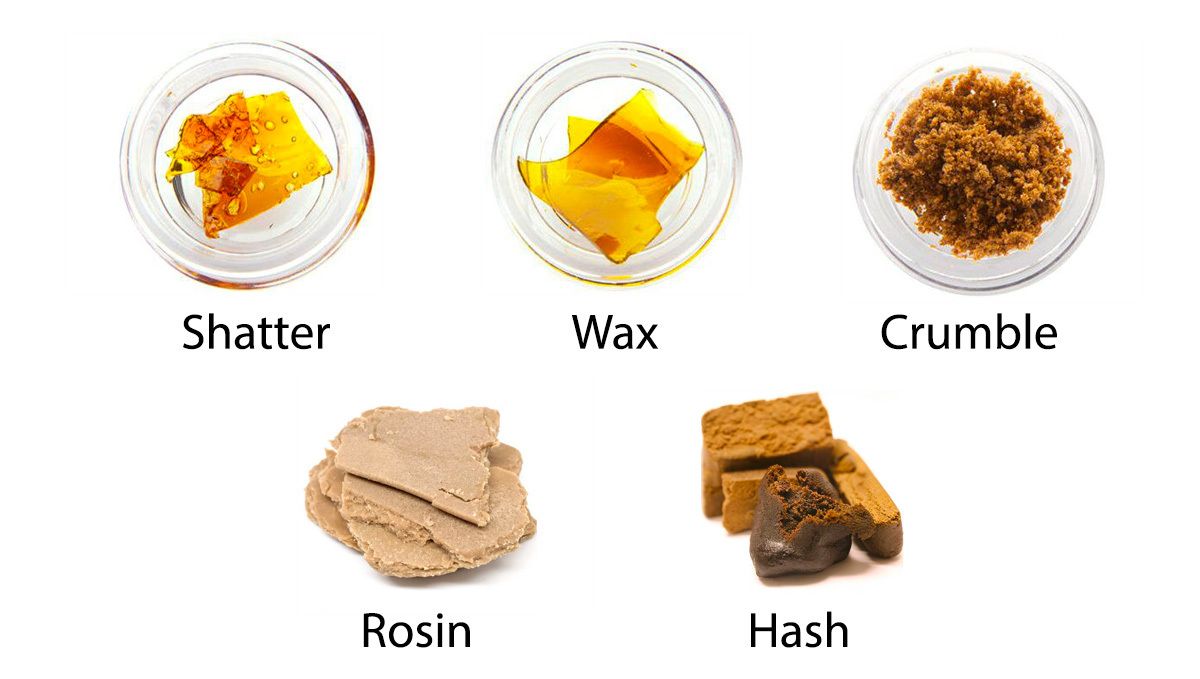
Rosin is another form of mechanical separation. This type of extract combines heat and pressure and results in a waxy, sticky, almost caramel-like paste that contains up to 80% THC. Buds are placed into a specialized Rosin press, which heats to a certain temperature to melt the trichomes, and then this melted substance is pressed out of the bud itself. You can use a trusty old hair straightener to make rosin hash, but the result will not be as high quality as when a real rosin press is used.
Chemical extraction employs the use of a chemical solvent to strip the plant of its trichomes. Solvent-based extraction is much more efficient than mechanical separation methods and is also usually a quicker, easier method that captures the full spectrum of cannabinoids contained in the flowers. For these reasons, solvent-based extraction methods are preferred by most commercial extract producers, but they do come with some slight downsides. The cons of chemical extraction include the high risks involved, as most of the solvents used are highly flammable. It also destroys the plant material itself, which, in turn, can eliminate the cannabinoids and chlorophyll. It can also require some extra processing to be safe for consumption.

Common forms of chemical extraction are Butane Honey Oil (BHO), C02 Oil Extraction, and Ethanol Extraction. BHO is made by dousing the buds with butane, which totally strips the trichomes from the plant material. This is then passed through a micron mesh filter, which captures any and all plant material, allowing only the butane and trichomes to pass through. This is then left in a cool, dry, dark place to allow the butane to fully evaporate. A vacuum oven can also be used to speed up the evaporation process. While this is an extremely dangerous method to try at home due to the flammability of the butane, there are commercial closed-loop systems that minimize this risk and make the entire process much safer.
8. In Conclusion
Crystals, frost, sugar... It doesn’t matter what you call it, trichomes are why we love cannabis and the reason why we grow it. Remember, trichomes are what give the enormous variety of strains their characteristics, and they’re the single most important part of the cannabis plant.
FAQ
Trichomes are the primary sites where cannabinoids and terpenes, among other chemical compounds, are produced and accumulated. These compounds contribute to the plant’s effects, aroma, and flavor.
Trichomes produce and accumulate cannabinoid acids, including THCA, which can be converted into THC through heat and time. THC is primarily responsible for the intoxicating effects associated with cannabis.
CBD-rich cannabis plants produce CBDA in their glandular trichomes. Heat or prolonged exposure to environmental conditions can convert CBDA into CBD.
Not necessarily. Trichome density can indicate strong resin production, but appearance alone cannot reveal the concentration or composition of cannabinoids. Laboratory testing is the most reliable way to measure potency.
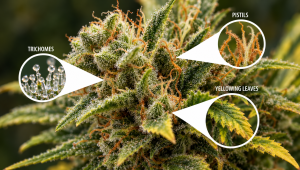
Trichomes are small surface structures that produce or contain resin, while pistils are parts of the female flower’s reproductive system. The hair-like structures commonly called pistils are actually stigmas, which receive pollen.
Trichome heads can change from clear to cloudy and eventually amber as the flower matures and its resin ages. Genetics, environmental conditions, oxidation, and light exposure can all influence this change.
Clear trichomes generally indicate that the glandular heads and their contents are still developing. However, trichome appearance should be assessed alongside the plant’s overall maturity.
Cloudy or milky trichomes generally indicate a more advanced stage of maturity. Their opaque appearance results from changes occurring within the glandular head and its accumulated resin.
Amber coloration generally indicates THC aging and oxidation into CBN within the trichome head.
No. Many plant species produce trichomes. Depending on the plant, these structures can reduce water loss, reflect excessive light, discourage herbivores, trap insects, or produce aromatic and defensive chemicals.
Comments