




How Much Light Does A Grow Room Need?



- 1. How do cannabis plants use light?
- 2. Understanding p.a.r
- 3. The different types of grow lights
- 3. a. Compact fluorescent lamps
- 3. b. High-pressure sodium
- 3. c. Metal halide
- 3. d. Led
- 4. How many lights do i need?
- 5. Top tips when selecting grow lights
- 6. In conclusion
Growing Cannabis indoors involves providing your plants with ideal temperatures, humidity, nutrients, and lighting. Understanding how plants convert light into energy, which types of grow lights they prefer, and how light is measured will give you an advantage when it comes to producing the ultimate indoor crop.
In this 2026 article, we explain all about grow lights, explaining P.A.R, PPFD, what to consider, our top tips, and more.
1. How Do Cannabis Plants Use Light?
For a long time, it became the industry standard to measure the intensity of a bulb using lumens. The value of one lumen is equivalent to one candle, so when you see a 400w HPS bulb that has a rating of 36,000 lumens, this indicates this light is the equivalent of 36,000 candles burning at once. The human eye will perceive light at a frequency of 555 nanometers (green light). The value that is given to the grow bulb will only explain the number of lumens as far as the human eye is concerned.
Unfortunately, Cannabis plants depend on photosynthetically active radiation (P.A.R) and not lumens, which has radically shifted the way in which manufacturers are producing horticulture lamps. How much of the light spectrum is present in your light fixture will be the difference-maker when growing indoors, which is one of the main reasons LED lights have become the preferred choice for those who can afford the investment.
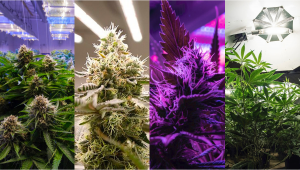
So, now you know the type of light that cannabis plants need, but how exactly do they use it? Well, you probably remember the basics from science class in school. It all boils down to photosynthesis. During this process, plants perform the incredible feat of transforming gaseous carbon from the atmosphere into solid carbon that they use to build sugars and create energy. They use some of this newly-formed energy to power their own cells, allowing them to grow, flower, and reproduce. However, not all of this sugar remains in the plant, or even above ground. Plants use their root system as a form of tap that trickles sugars, amino acids, and other compounds into the area of the soil surrounding their roots. This act attracts several beneficial lifeforms, including bacteria and fungi. In return for the flow of nutrition, these critters help to defend plants against certain diseases and even help them acquire nutrients and water.
2. Understanding P.A.R
P.A.R. stands for Photosynthetically Active Radiation and refers to the wavelengths of light that plants primarily use for photosynthesis. Traditionally, the P.A.R range is defined as 400–700 nanometers (nm), covering most of the visible light spectrum, from blue through green and yellow to red light.
Unlike lumens, which describe brightness according to the sensitivity of the human eye, P.A.R-related measurements are much more useful when evaluating grow lights. Plants respond to photons rather than perceived brightness, so a lamp that appears extremely bright to us isn't necessarily the most effective option for plant growth.
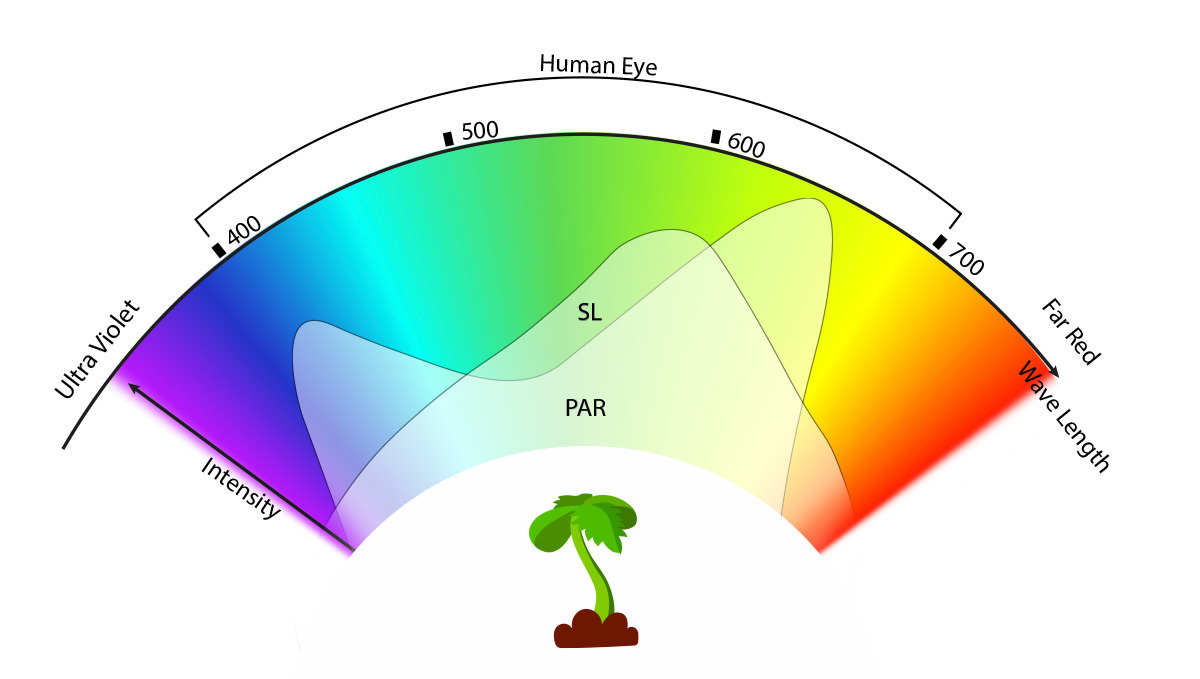
One of the most useful measurements for indoor growers is PPFD (Photosynthetic Photon Flux Density). PPFD measures the number of P.A.R photons reaching a specific area each second and is expressed in micromoles per square meter per second (µmol/m²/s). In simple terms, PPFD helps growers understand how much usable light is actually reaching the canopy.
Cannabis uses light throughout photosynthesis to convert carbon dioxide and water into carbohydrates that support growth and development. Different wavelengths can also influence plant morphology. Blue light, for example, can contribute to compact vegetative growth, while red light efficiently drives photosynthesis and plays an important role during flowering. Green light is also useful and can penetrate deeper into a dense canopy, so it should not be considered "wasted" light.
Wavelengths outside the traditional P.A.R range can affect plants as well. UVA and UVB fall below 400 nm, while far-red extends beyond 700 nm. However, claims that supplemental UV automatically increases cannabinoid or terpene production should be treated cautiously, as research has produced mixed results.
3. The Different Types of Grow Lights
If you are new to growing Cannabis indoors, or have previous experience outdoors and plan to grow inside, then you may not be fully aware of the different types of horticultural lighting available. Investing in an inadequate light can be very counterproductive and oftentimes a waste of resources, time, and money. When it comes to light-hungry plants such as Cannabis, the important thing to remember is lighting intensity.
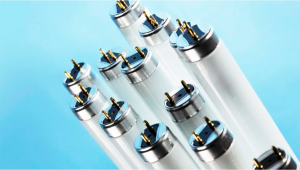
Compact Fluorescent Lamps
Commonly known as C.F.L, these cheap and low-budget lights will produce a soft light. Growers working with these will use a bulb during the vegetative period that is 6400k (blue spectrum) and then will adjust the bulb to a 2700K (red spectrum).
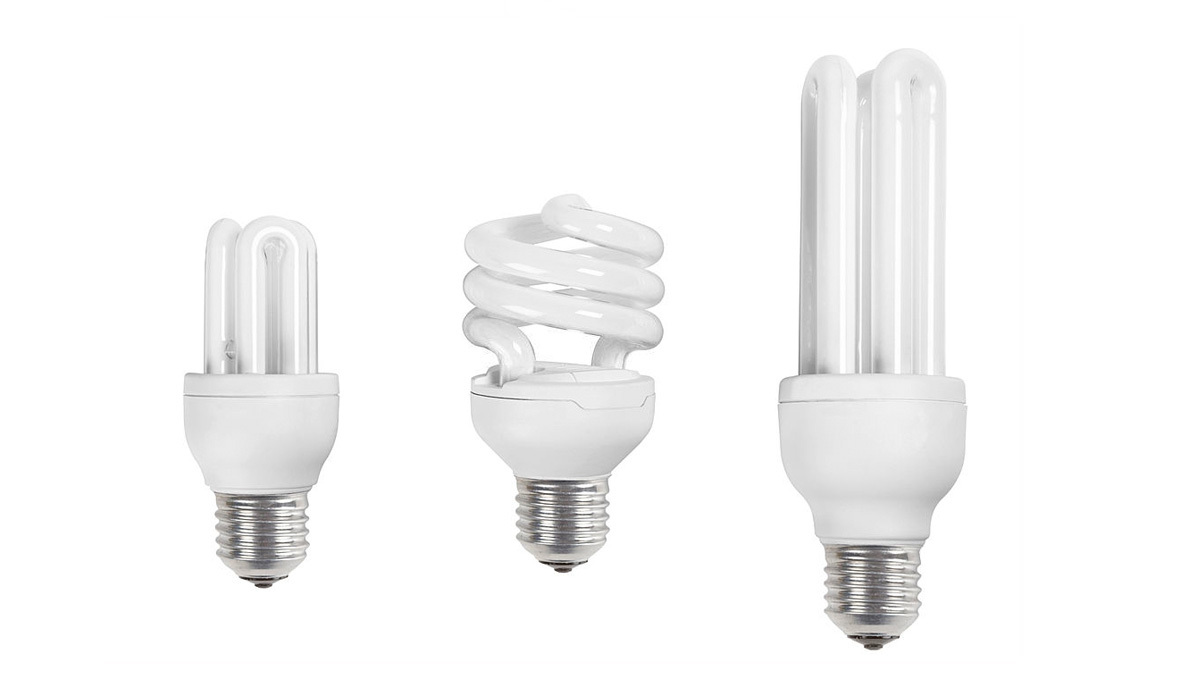
Due to the fact that these lights are very soft and lack the intensity and P.A.R. required by flowering Cannabis plants to pack on weight. It is better to use compact fluorescent lights for the cloning area, vegetative area, or for allowing seedlings and clones.
High-Pressure Sodium
The most commercially used light for growing Cannabis indoors; these types of horticultural lamps require a ballast to power up the Sodium bulb. H.P.S. will produce a far more intense light that Cannabis plants prefer.
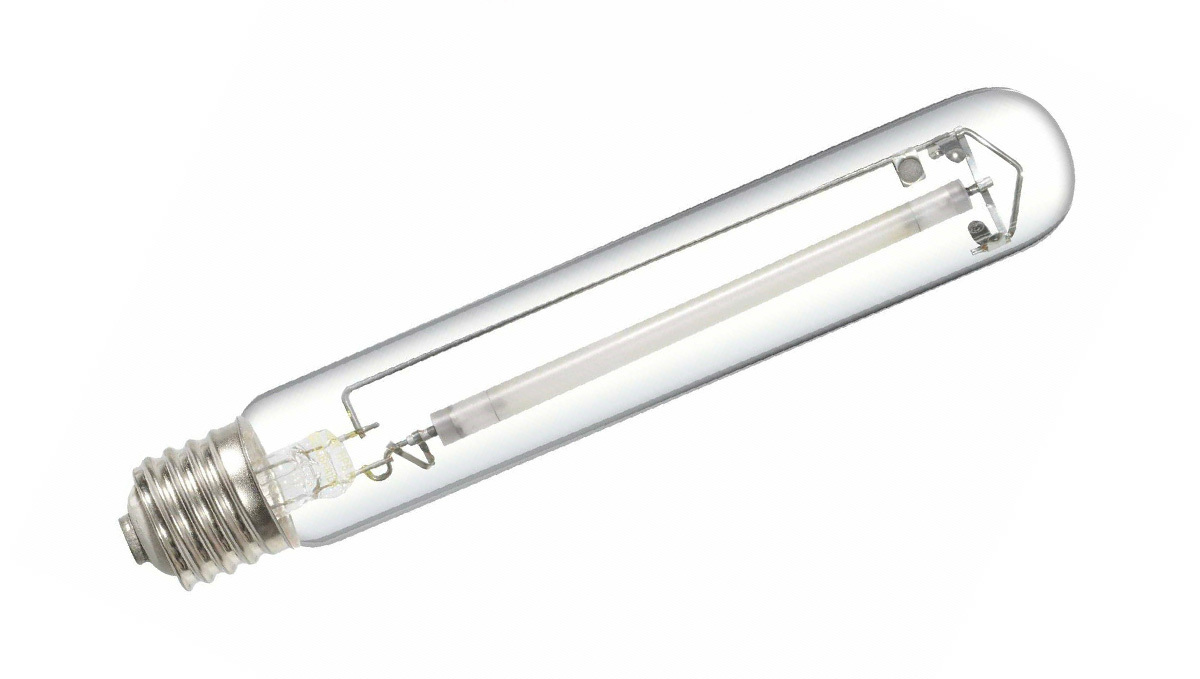
H.P.S. bulbs are designed to be used during the blooming phase due to their orange/red spectrum.
Metal Halide
These are basically the lamps that are used to illuminate car parks and football stadiums. These lamps emit a white/blueish spectrum that is ideal for the vegetative phase.
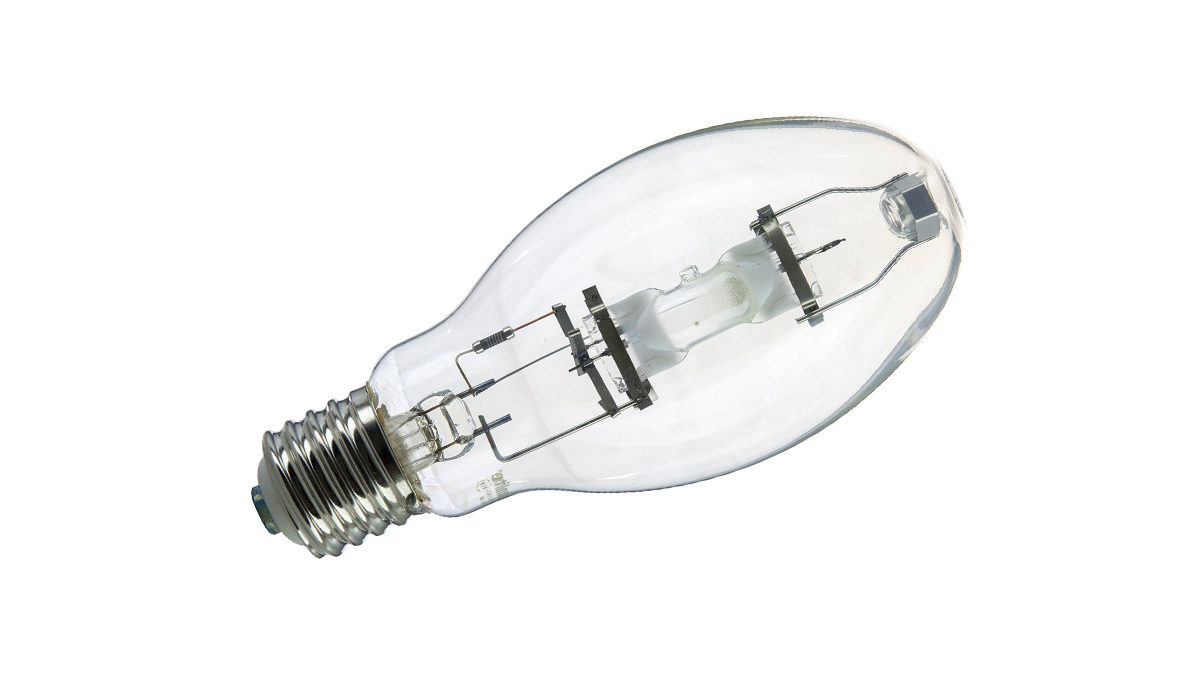
However, you will need an HPS or LED for flowering due to the lack of red spectrum of MH bulbs.
Metal halide also requires a ballast to power it, similar to HPS, which is one of the reasons these two lights have been paired together by indoor growers for decades.
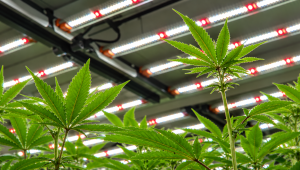
LED
At first LED struggled to establish themselves as a solid horticultural grow light, however, with recent innovations and new tech being added all the time, LEDs have easily become the most efficient way to grow Cannabis indoors.
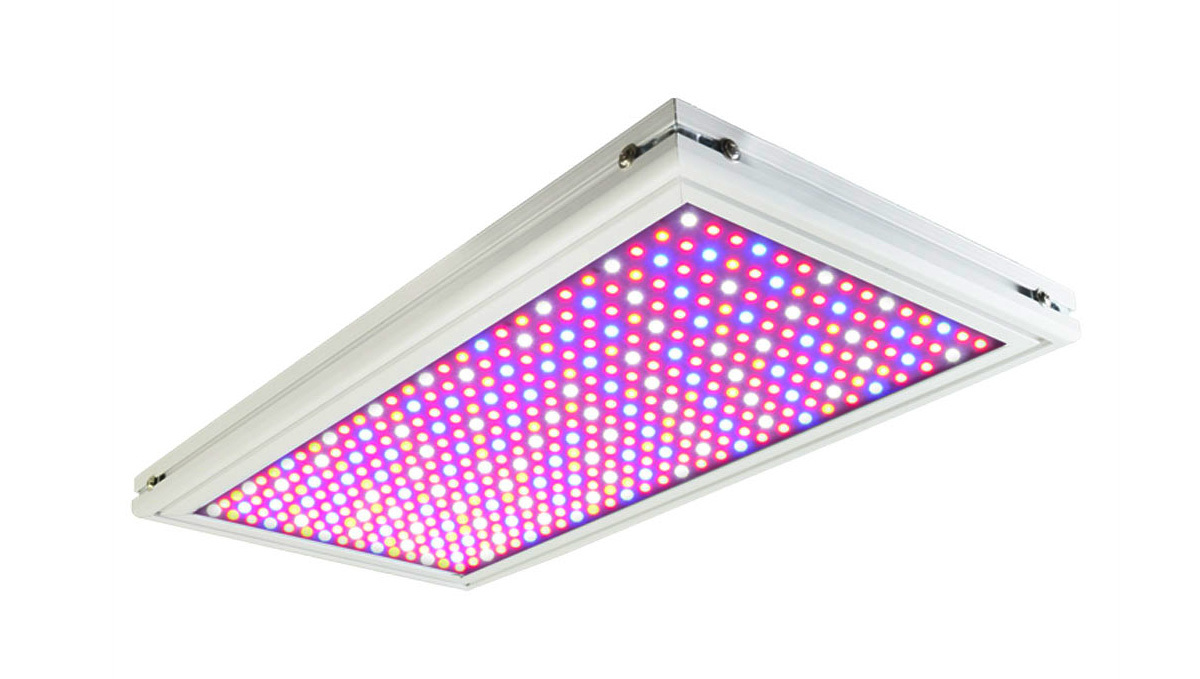
They will come with a large price tag, yet are well worth it in terms of the advantages associated with electricity consumption, spectrum availability, lack of excess heat they cause plants. Many are now silent running with passive-cooled designs integrated.
4. How Many Lights Do I Need?
An efficient and high-quality grow lamp should be able to cover your grow space uniformly. This means that the amount of light you need will depend on how big your grow space is. Fortunately, most manufacturers make this information available. In any case, you can always grab a PAR meter and make sure your plants are receiving the amount of light they need, which should be:
- Seedlings: 100-200 PPFD
- Vegetative stage: 300 - 600
- Pre-flower/Flowering stage: 700 - 1000 PPFD
5. Top Tips When Selecting Grow Lights
1. Be sure to check the P.A.R/PPFD output of the light you are thinking of buying. It is photosynthetically active radiation that Cannabis plants are responsive to, not the number of lumens.
2. Compact fluorescents are low-powered, produce low heat, and are ideal for rooting clones and seedlings.
3. If you are choosing to use H.P.S. lighting, pairing them with metal halide and high-pressure sodium will allow you to provide the most effective spectrum bandwidth.
4. Ballasts can become extremely hot and should be wired correctly, making sure there’s enough ventilation.
5. LED lights are an expensive investment. However, over time, the reduction in electricity bills, increased yields, and more terpene and cannabinoid production is well worth it.
6. In Conclusion
The choice of indoor lighting is far greater than before, so make sure you do plenty of research before investing. Depending on your budget, experience, or grow space, you may be encouraged to use different lights at various times. Good luck with your next indoor crop and finding the ideal indoor setup for you and your garden.
FAQ
There is no universal wattage requirement because LED fixtures vary considerably in efficiency. Two lights drawing the same wattage can deliver very different amounts of usable light, making PPFD maps and fixture efficacy more useful.
Consider PPF, PPFD distribution, photon efficacy, spectrum, recommended coverage, power consumption, heat management, build quality, and manufacturer reliability. Avoid choosing a fixture based solely on advertised wattage or lumens.
Daily Light Integral (DLI) measures the total quantity of photosynthetically active photons a plant receives over 24 hours. It accounts for both light intensity and light cycle, making it useful for evaluating total daily light exposure.
Generally, increasing canopy area increases the total amount of light required. However, fixture output, layout, reflectivity, mounting height, and desired PPFD all influence the number of lights needed.
Modern horticultural LEDs can achieve higher photon efficacy than traditional HPS systems, meaning they can produce more photosynthetically useful photons per unit of electricity consumed. Actual performance depends on the specific fixtures being compared.
Perfectly equal light distribution is difficult to achieve but highly recommended. Large differences in PPFD across the canopy can result in uneven plant growth and flower development.
There is no single correct distance. Appropriate hanging height depends on the fixture, intensity, heat output, canopy configuration, and manufacturer recommendations. Measuring PPFD provides a better guide than distance alone.
Yes. Excessive light can cause stress and may reduce photosynthetic performance rather than improving growth. Signs can include leaf bleaching, discoloration, curling, or other stress responses.
Start with the dimensions of your canopy and desired PPFD. You can then compare these requirements with the manufacturer's PPF, PPFD maps, recommended coverage, and fixture efficacy.
Insufficient light can cause slow growth, elongated stems, larger internodal spacing, and reduced productivity. Flowering plants may also produce less dense flowers.
Comments