




Autoflower Light Cycle - Best Light Schedule For Autoflowering Cannabis


- 1. What is the best light cycle for autoflowers?
- 2. Do autoflowers need darkness?
- 3. 24/0 light cycle
- 4. 20/4 light cycle
- 5. 18/6 light cycle
- 6. 12/12 light cycle
- 7. The best lighting options for growing autoflowering cannabis indoors
- 8. In conclusion
Unlike photoperiods that need at least 12hrs of darkness to trigger flowering, autoflowers automatically enter the flowering cycle when they’re mature enough. They start producing buds based on age; thus, they don't depend on a specific light/darkness period to start flowering.
In 2026, we know that the best light schedule for autoflowers can be 22/2, 20/4, or 18/6 from start to finish. There are different light cycle options, and the best one will depend on your growing environment and setup. Light cycles are used to simulate seasons in nature: more light = summer, more darkness = winter.
1. What is the best light cycle for autoflowers?
Most growers agree that the optimum amount of light to give autoflowering strains is somewhere between 18-22 hours of light a day. However, as a grower, you should adjust the light intensity and light distance depending on the cultivar you’re growing because each cultivar has different requirements.
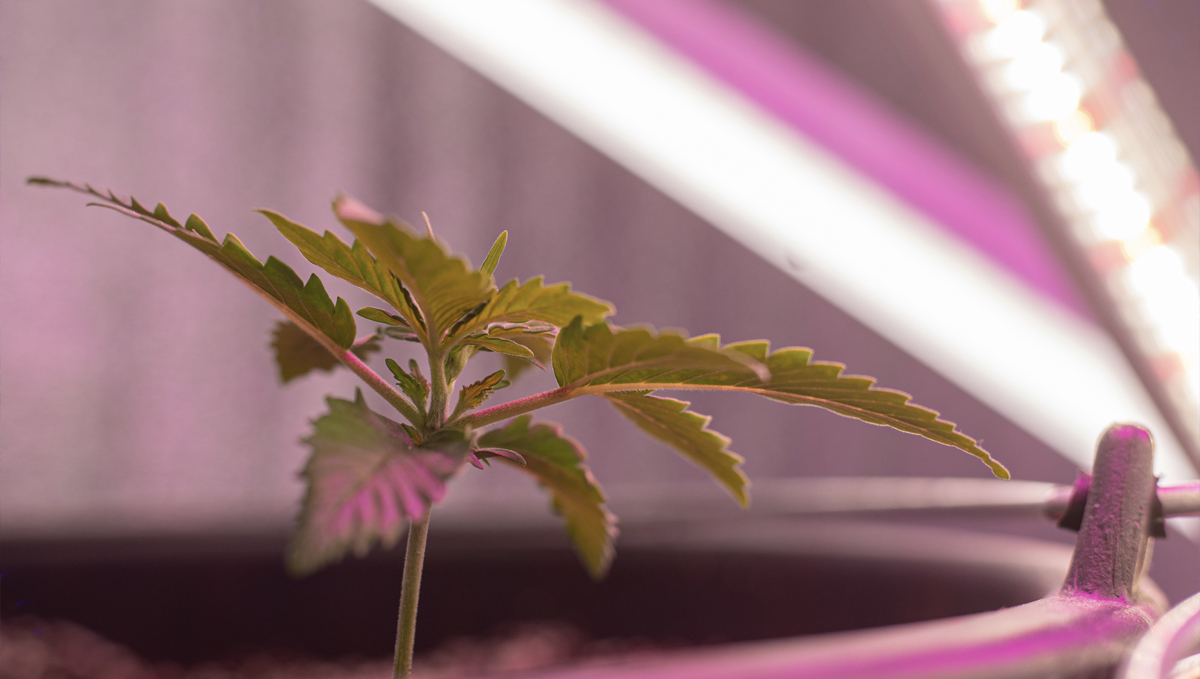
There are basically four light cycles, aka Light schedules, recommended for autos: 22/2, 20/4, and 18/6 (the first number is hours of light, the second is hours of dark).
You can always adjust the cycle to whatever suits you better. For example, you could grow autos in 19/5, 16/8, or even 12/12 light cycles.
Having that in mind, if you’re new to growing, you should stick to the basic light schedules mentioned above.
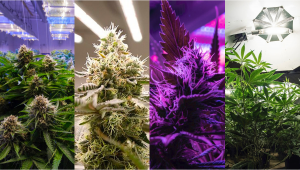
Light Spectrum
Now, despite cannabis plants relying on the amount of light they get, you should know that depending on the phase your plant is in, it will need a different spectrum, and that can also affect your harvest.
As you may know, cannabis plants go through 2 stages: the vegetative and flowering stage. During these stages, your autoflowers will obviously need light, but they will also need certain wavelengths of the spectrum.
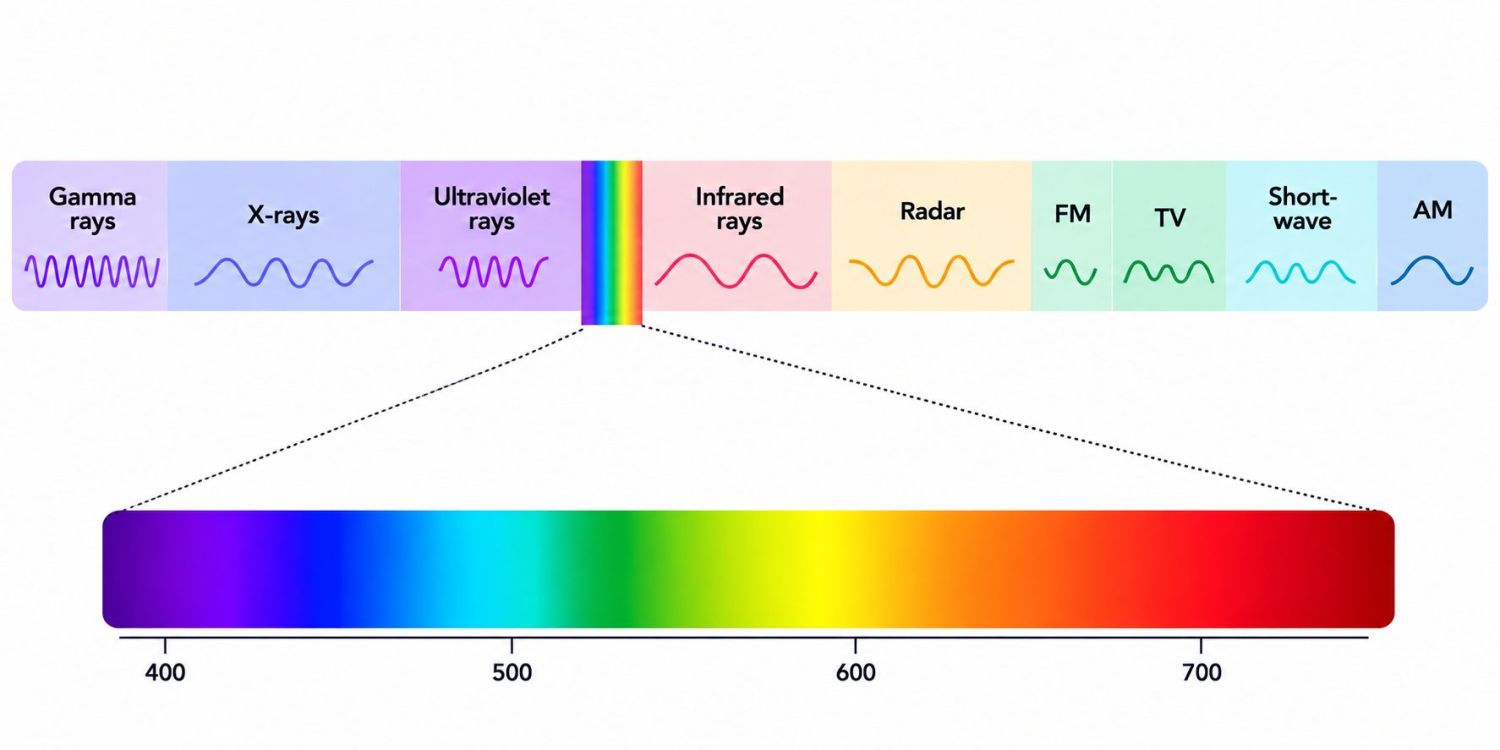
For example, during the vegetative stage, your plants will need a blue spectrum that ranges from around 400 to 550nm whereas during the flowering stage your plants will need a red spectrum, with wavelengths that range from 550-700nm.
This doesn’t mean that you won't be able to have a successful harvest if you don’t provide a full spectrum, but you will definitely have better results by providing the whole spectrum from seed to harvest or at least the spectrum your plants need during each stage. Have in mind that this applies to all Light fixtures, including light bulbs. Usually, good-quality LEDs will emit a full spectrum, but you can get mixed-spectrum bulbs that will get the job done.
2. Do autoflowers need darkness?
Some growers believe that autoflowering plants need a dark period and won’t be as healthy under a 24/0 light schedule. There’s no real evidence to support this, but there may be exceptions. Also, keep in mind that a 24/0 light schedule will lower humidity, increase temperatures, and raise your electricity bill.
Schedules like 18/6 will save you electricity, and if the few hours of darkness indeed help the plant to grow better, it’s a win-win. We recommend starting with an 18/6 light cycle, and if you see your autoflower has the potential to grow more, you can always try again in the next cycle.
3. 24/0 Light Cycle
This schedule is a good choice if you live in a cold climate. Keeping the lights turned on 24hrs a day will keep your autoflowers warm. However, keep in mind that too much light can affect plant growth negatively.
Obviously, this is the easiest autoflower light cycle as you don’t even need a timer; just turn on the lights until harvest.
Pros:
- Doesn’t require a timer.
Cons:
- Uses more energy; can get expensive.
4. 20/4 Light Cycle
The 20/4 has become a popular autoflowering light schedule amongst growers because it’s in the middle between 18/6 and 24/0, providing good growth without having to spend too much like when growing under 24/0.
Despite obviously leaving the lights on for a bit longer than in 18/6, your plants still have some time to “rest”, allowing you to have slightly better results without having to spend too much like in a 24/0.
Pros:
- Allows autoflowers to rest.
- Better results than 18/6.
Cons:
- Uses more energy than 18/6; can get expensive.
5. 18/6 Light Cycle
This is the most common cycle for autoflowers. You're providing enough light for your plants to develop and a few hours of dark for them to rest, encouraging healthy growth. This can be good in hot climates.
You can leave your lights on at night and have them turn off during the 6 hottest hours of the day. By using this schedule, you’ll be using around 25% less electricity, which adds up to be a good economy at the end of every harvest.

A lot of growers who have experimented with 24/0 and 18/6 light cycles say they didn’t notice any major difference in final yield. The only minor inconvenience with this schedule is having to buy and adjust a timer. They cost around 10 bucks, so it shouldn’t be a problem at all.
Pros:
- Allows your plants to rest.
- Uses less electricity, allowing us to save on electricity.
Cons:
- Requires a timer. This shouldn’t be a problem at all, as this is the first thing you should buy when growing indoors.
5. 12/12 light cycle
The 12/12 schedule is normally used for photoperiods. It can also be used for autoflowers, but it’s not that popular. Normally, growers give autoflowers this light cycle when they have them growing in the same tent as photoperiods. By giving your autos 12/12, they will stretch more and may not yield as much.

Because your plant is getting less light each day, it isn’t able to make as much energy to promote growth. It will underperform compared to the other light cycles. That being said, you can grow them just fine if you don’t mind reduced yields.
Pros:
- Uses less electricity, allowing you to save on electricity.
- Allows you to grow autos and photos in the same grow tent.
Cons:
- It’s recommended to grow under 18/6, so 12/12 usually results in airy and underdeveloped buds.
| Autoflower grow light schedule pros and cons | ||
|---|---|---|
| Light Schedule | Pros | Cons |
| 24/0 | Faster growth. | May be too much for some strains. |
| 20/4 | Good growth and allows plants to “rest”. | Slightly slower growth than 24/0. |
| 18/6 | Less heat and cheaper. | Slightly slower growth than 20/4. |
| 12/12 | Cheapest. | Underdeveloped buds. |
6. The Best Lighting Options for Growing Autoflowering Cannabis Indoors
Now that we have been over all the different lighting schedules for growing autoflowering weed and the related pros and cons, let's have a quick look at the best lighting equipment. There are multiple options available, but a recent surge in the power of LEDs has seen them overtake HID options in terms of the gold standard for home growers. That does not necessarily mean that they are the perfect system for everybody, so let's break down each option so you have the information you need to make an informed choice for your grow room.
CFL (Fluorescent Lights)
Back in the early days of indoor cannabis cultivation, CFL bulb usage was widespread. That is not so much the case in 2022, but there are still some situations where CFLs will fit the bill and do a fine job. CFLs are, by far, the cheapest option for lighting a grow area. The initial setup cost is super low, as are the maintenance costs. They are suitable for beginners working with a very small grow space and just a couple of plants. While you can't expect to get the same-sized harvests as with LEDs or HIDs, you can still grow and harvest a plant successfully.

HID (High-Intensity Discharge Lights)
Even if you have never used HID lights for growing weed, you should be familiar with them. These are the type of globes used to light up stadiums and streets and produce a huge amount of light spread and penetration. Up until very recently, they were seen as the best option for indoor cannabis cultivation, and they very well may still be, depending on your situation.
HID bulbs cover a wide range of options, but the two most commonly used for indoor growing are MH (Metal Halide), which is used during the vegetative growth period and the first week or so of flower, and HPS (High-Pressure Sodium), which is used for the majority of the flowering growth period. The power that HID bulbs contain is thanks to the arcing electric current that surges through a bulb and contains xenon and sodium gas. They are available in a wide range of wattages, with the most common being 400W, 600W, and 1000W for cannabis cultivation purposes.
LED (Light Emitting Diodes)
While they have been around for more than a decade, LED grow lights are still seen as the new kids on the block. But in the last 5 or so years, we have seen a huge amount of growth in this sector of the lighting market, to the point where it is hard to argue that LEDs are now not the best option for almost all indoor growers. The one obvious downside is the initial cost for a decent LED panel. They can cost upwards of 3 times that of a HID setup, but they are much cheaper to run, last a lot longer, and produce way less heat.
High-intensity, full-spectrum LEDs are ideal for anyone looking to grow top-shelf buds, like the Guava Auto RF3 in the video below. They only fall second to the best light source we have: the sun.
Expert Opinion by Jorge Cervantes - co-author
In the fascinating world of autoflowering cannabis cultivation, understanding the best light schedule is critical to unlocking the full potential of these unique plants. As a long-time cultivator and author in the cannabis field, I've seen firsthand how the proper light exposure can significantly impact the growth and yield of autoflowers.
Autoflowers are remarkable for their ability to flower without needing specific light cycles, but this doesn't mean any light schedule will do. The article co-authored with Enzo Schillaci dives deep into the science behind light schedules, exploring how different periods of light and darkness can influence the plant's development. From enhancing bud production to ensuring robust plant health, the light schedule you choose can make all the difference.
One of the key takeaways from the article is the importance of tailoring the light schedule to your specific growing conditions. Whether you're dealing with high temperatures, limited space, or energy efficiency concerns, understanding how to adjust the light schedule accordingly is crucial. The article provides practical tips and insights, helping you confidently navigate these decisions.
In conclusion, whether you're a seasoned grower or just starting, embracing the nuances of autoflowering cannabis light schedules is essential for a successful harvest. Remember, each plant is unique, and what works best may vary. Experimentation and observation are your best tools in this journey. Happy growing, and may your autoflowers thrive under the perfect light!
7. In Conclusion
There isn’t really a proven best light cycle. Before going for any light cycle, think about electricity costs and the climate you’ll be growing in. If you are in doubt, start with 18/6. This cycle is the most used and should work for all autoflowers. When growing outdoors, you have to work with what you have, as you can’t control the sun (obviously). Outdoor growers should be aware that with the change of seasons, the amount of daylight may increase or decrease, but autoflowers should grow fine in all seasons.
Even though there are the most common light cycles, make sure you experiment with all of them and find what suits you better because every plant and grow setup is different, so there's a chance that you have better results growing under an uncommon light cycle.
FAQ
While this is hotly debated throughout the growing community, the best answer we can give is: it really depends on the strain. Some cultivars respond well to an 18/6 schedule, while others thrive under 20 hours of light and 4 hours of darkness. Many growers just leave their lights on 24 hours a day when growing autos, but that is not what we recommend. For the most part, a lighting schedule of either 18/6 or 20/4 will work great with any auto strain.
Just like with any cannabis plant, autos crave sunshine - and as much of it as they can get. Very few places in the world offer 18 hours or more of light at any time, but the more direct light your crop receives, the better. If you are growing autos outdoors, try to give them at least 12 hours of direct sunlight each day for the entire lifecycle of the crop.
No, autos will grow under any lighting conditions and do not need a period of complete darkness each day to complete the full life cycle. However, we do recommend giving them a dark period because it helps regulate the plant’s biological clock and supports normal growth processes.
While such a move could result in photoperiod plants turning into hermaphrodites, it's totally fine for autoflowering strains. Keep in mind that if you reduce the number of light hours below 12 a day, the flowering period may be extended by a few days to even a couple of weeks.
Some old-school growers might argue with this. HID lighting was the gold standard for indoor grow ops for decades, but that changed a couple of years ago. We now live in the LED era, and for us, there is really no comparison anymore. LED offers a range of advantages over HID, including being significantly cheaper to run, with cooler running temperatures, and no bulb changes required.
While we are big fans of LEDs for indoor grows, they really don't offer much when it comes to growing outdoors. The sun is still the best light source available, but if you live in an area that only receives about 12 hours of light per day, then you may want to look into adding some supplemental lighting to help boost the growth of the crop. This is not obligatory, though.
Comments