




Autoflowering Cannabis Yields | How Much Can I Harvest?


- 1. What does "yield" mean?
- 2. Factors to consider
- 2. a. Indoor vs outdoor cultivation
- 2. b. The different lighting options available for indoor cultivation
- 2. c. Pot size
- 2. d. Nutrients used
- 2. e. Plant count
- 2. f. Plant training
- 2. g. The cultivar
- 3. Our highest-yielding autoflowers
- 3. a. Gorilla cookies auto
- 3. b. Guava rf3 auto
- 3. c. Strawberry gorilla rf3 auto
- 4. Top tips on how to get bigger yields
- 5. In conclusion
There are several reasons a person may wish to grow their own weed at home, whether it be due to dispensary weed being too expensive, for a specific strain, or to ensure the final product is as clean as possible.
Autoflowers are an excellent choice for everyone, including beginner growers, since they allow for perpetual harvests in one individual tent without sacrificing yields or quality.
Autoflowering cannabis plants can produce the same or even better quality harvests as photoperiods while most commonly yielding anywhere from 50-250g. However, yields can be affected by a huge range of factors. From genetics to the size of the grow container, what nutrients are used, and whether the crop is grown under artificial light in a controlled environment or left to fend for itself outdoors. Our top tips for 2026 will help you get the most out of your autos!
Autoflowering strains have somewhat of a stereotype surrounding them. Back in the day, these varieties were disregarded by some growers because of their lack of potency and productivity. However, huge steps forward in breeding mean that modern autoflowering strains are much stronger and offer superior harvests.
But how much of a yield can you realistically expect to harvest from these varieties at the end of the growing cycle? Find out the answer below.
1. What Does "Yield" Mean?
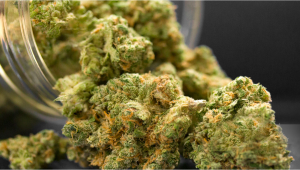
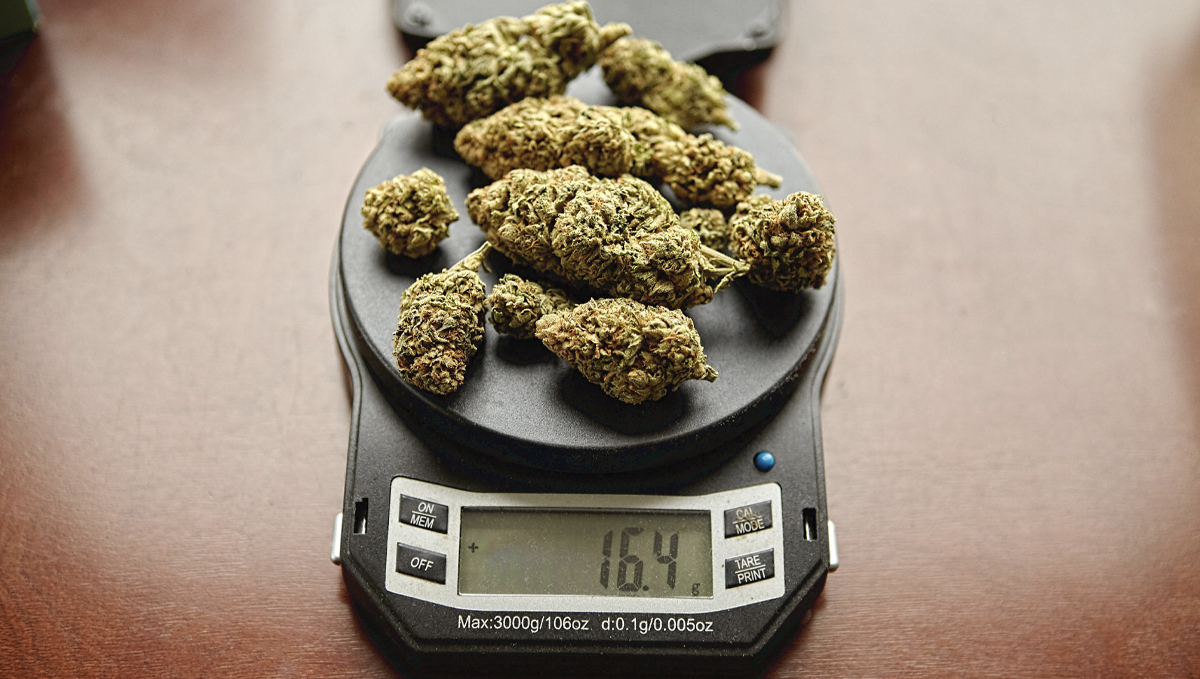
Yield refers to the estimated amount of buds produced and can be measured as dry or wet weight. However, the “official” yield is the dry yield.
You will notice that seed banks will often display the yield in a square meter scenario, as opposed to the dried weight per plant. Not only can a figure such as "450-550gr/m2" be misleading, but there are also many variables that will play a role in the outcome of this value.
These variables include internal and external factors. Internal variables include the unique genetics of each plant. Even among the same strain, plants display some degree of genetic variability. Seeds from the same parents will all produce plants with slightly different characteristics, including size and yield. Of course, external factors play the most important role. These variables include temperature, humidity, lighting, nutrients, and water.
Optimal levels of these inputs will help plants achieve their true genetic potential. In contrast, when growers fail to meet these demands, plants will underperform and produce the bottom end of the yield potential of a particular cultivar.
So how much weed does a plant yield? If you’re wondering how to maximize autoflower yields, read along and improve your yields with our tips!

2. Factors To Consider
Indoor vs Outdoor Cultivation
When growing autoflowering cultivars outdoors, the climate plays a massive role in the outcome of your yield. Outdoor growers depend on the seasons to be able to get good yields from autoflowers. This happens because autoflowering cannabis plants depend on the right temperature, humidity, and light to thrive, and this will be reflected in the quality and quantity of the buds you’ll harvest.
People who live in hot, sunny climates will be able to grow an autoflower all year long with excellent results, but those who experience shorter summers with cold winters may not harvest as much as someone in a tropical climate, who can expect to grow multiple times per year with superb results. However, because autos grow so fast, they can still produce excellent results in northern latitudes. Even growers up in Alaska, other northern States of the US, the UK, and northern Europe produce excellent results. By timing things right, you’ll be able to transplant an auto outdoors after the last frosts of the season and watch it surge in size over the next couple of months.
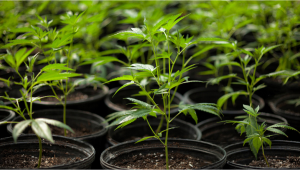
However, heat also plays an important role. Those in warmer southern climates have a big advantage. The heat helps plants grow much faster, meaning plants in these regions will reach a great size before they start flowering, resulting in superior yields earlier in the growing season. Now, when growing indoors, you don’t have to worry that much about the environmental conditions outside because you are responsible for controlling every single aspect of the growing conditions. This can be a good thing for more experienced growers, but if you’re new to growing indoors, it can be quite tricky if you don’t have access to, or can’t afford, the right equipment.
| Stage | Day temp. | Night temp. | Relative humidity |
|---|---|---|---|
|
First half of vegetative (week 1-2) |
22-28°C | 18-22°C | 70% |
|
Second half of vegetative (week 3-4) |
22-28°C | 18-22°C | 65% |
|
Pre-flowering (week 5) |
20-26°C | 20-26°C | 60% |
|
First-half of flowering (week 6-8) |
20-26°C | 20-26°C | 55-50% |
|
Second half of flowering (week 9-10) |
18-24°C | 17-20°C | 50-40% |
As you may know, autoflowers need certain conditions in each stage of growth, but as a general guideline, you should keep the temperature between 18-24°C, and the humidity should be kept around 70% in the vegetative stage, gradually lowering it until you reach 60% near the pre-flowering stage. Then, when your autoflowers are starting to form the buds, the humidity should be around 50%, reaching 40-45% at the end of the flowering stage.
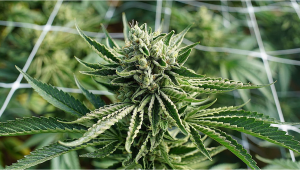
It is an accepted fact that for the vast majority of growers, indoor cultivation will usually result in larger yields. Of course, if you live in a climatic region that offers perfect growing conditions for cannabis, then this may not always be the case, but for the most part, outdoor cultivation is a bit of a gamble. With an indoor grow, the cultivator has a high level of control over a wide range of factors that are usually at the mercy of the gods for outdoor cultivation methods. This is not to say that you can’t grow autoflowering beasts outdoors, just that it is easier in an indoor environment.
The Different Lighting Options Available for Indoor Cultivation
While controlling the temperature and humidity is highly important, the number one factor that will affect the size of the yield and the potency of the final product is the type of light you choose for your indoor grow. There are multiple options available, but really only two if you want to maximize your yield size: HID and LED.
HID Lights
For decades, HID lights were the absolute gold standard for indoor grow rooms. Thanks to their high power, they are able to offer far better light spread and penetration than almost every other option, and two of the globe types work really well for the different growth stages in terms of the type of light provided. MH (Metal Halide) globes offer a light spectrum that is more on the blue side of the scale, which is exactly what plants in the veg growth stage are looking for. HPS (High-Pressure Sodium) globes offer a light spectrum that is more reddish, which is great for plants that have switched over to the flowering stage of their lifecycle.

But these lights do come with some downsides. They are very power-hungry, meaning they’re certainly not the most economical to run. They need a separate power ballast, which can cost as much as, if not more than, the lamps themselves. The lamps cost about $100 each and need to be replaced about once a year, depending on how often they are used. They also produce a lot of heat, which can be a pain to deal with and can severely affect the crop if left unattended. But if you are able to mitigate these downsides, you are almost guaranteed bumper yields with HID lighting.
LED Lights
While LED lighting options have been around for more than a decade for indoor growers, it’s only in the last 2 or so years that they have really taken over the mantle as the best option, kicking HIDs off the top spot. They offer a range of advantages over their HID cousins.
First up, the light spectrum that they produce can be finely tuned to give the plants exactly what they need throughout the entire grow cycle. HID lights lack certain parts of the light range that LEDs can cover (such as green).
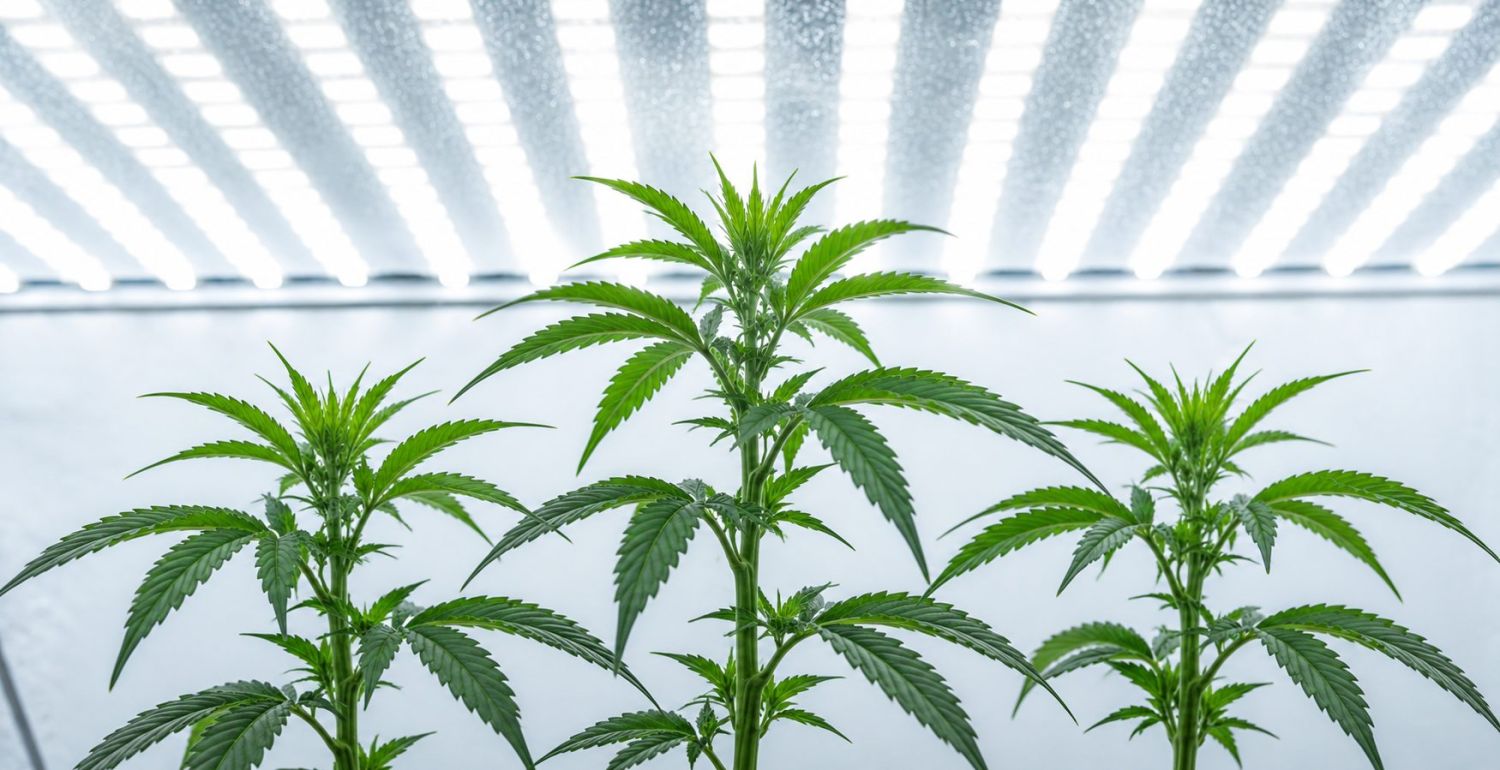
LED panels also consume way less energy than HIDs and run much cooler. This means that there is much less chance of burning your plants, and environmental control is easier. It also means that you can light the area in a totally different way than with HID lights. You can quite literally have LED panels wherever you want - above, below, and right inside the canopy if you please. This allows for ridiculous amounts of light penetration.
LEDs used to be prohibitively expensive, but recent shifts in the market have meant that the price has dropped dramatically, to the point where they now cost around the same as a new HID setup. Do be aware that there are lots of cheap options out there, but you should definitely steer clear of the cheapest options. They simply will not give you the results you are hoping for.
This is not to say that you can’t grow autoflowering beasts outdoors, just that it is easier in an indoor environment. One way you can help boost environmental control with outdoor cultivation is by using a greenhouse. And when we say greenhouse, we don't necessarily mean a huge, expensive glass structure. A greenhouse can be as simple as some plastic sheeting, some PVC pipes, a couple of lengths of 2 x 4, and some elbow grease to get the whole thing together. You can also just head to your local gardening suppliers and pick up a ready-to-go option.
Pot Size
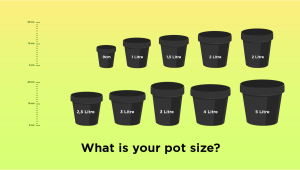
Not everyone has the luxury of growing in a meter square grow space, and some must resort to a small, discreet autoflower count that can be kept on a balcony, terrace, or back garden.
Depending on where you’re growing your cannabis plants, you will have to choose either a bigger or a smaller pot, and this will end up affecting how big your autoflower grows and, consequently, the yields.
For example, if you are growing a large-sized autoflower in 10-12 liter-sized pots, you will be able to harvest 50- 150 g per autoflower as long as the conditions are optimum, so if you prefer smaller autoflowers and use smaller pots, the yields will be decreased.
- There is no need to grow an autoflower in pots bigger than 12 liters.
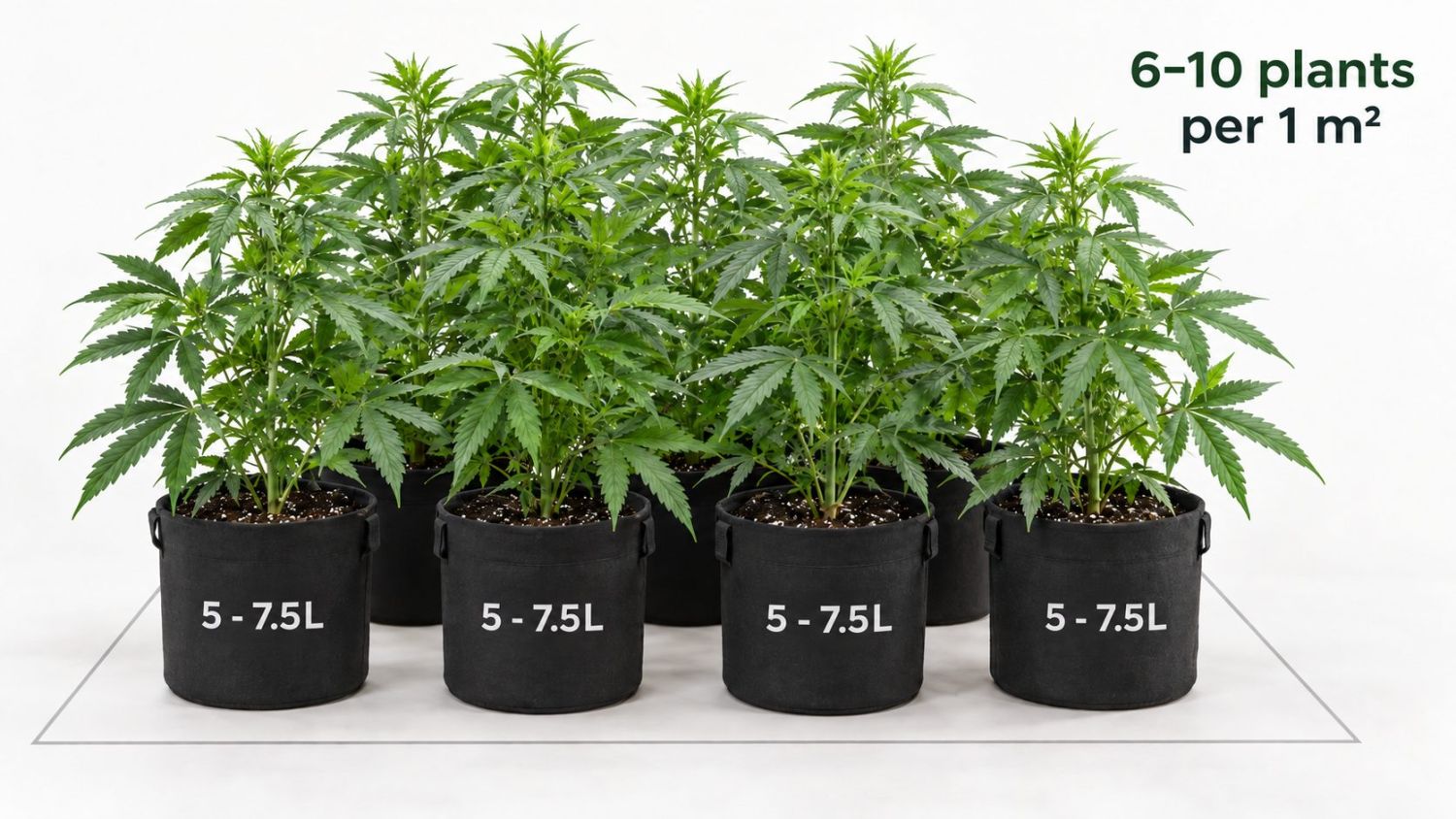
- Sea of Green requires a smaller pot size of 5-7.5 liters.
- Planting directly into the ground is also a good option.
Overall, pot size has a very big influence on yield, especially when growing only 1–2 plants. Autoflowering strains grow wonderfully in a 12L pot and produce rewarding results. However, growers can push things further with larger pots. Containers of up to 20–30L enable the root system to grow much larger, meaning the aerial parts of the plant also grow bigger. However, you’ll need to facilitate growth well to ensure your plants don’t become stunted, preventing their roots from filling the pot and rotting away. Provide a high level of light and a proper nutrient regimen, and you’ll push yields right to the upper end of the spectrum.
Likewise, you can also use smaller pots if you want to keep things super stealthy. A small pot of around 5L will produce small plants that are easy to conceal. However, using LST and a powerful light can still result in surprisingly good yields.
Nutrients Used
Supplementing your autoflowers with a rich source of N-P-K (macronutrients) and trace elements (micronutrients) is certainly one way to enhance production. Investing in organic nutrients or a complete living soil will be advantageous, as long as you maintain the ideal watering ratio.
This is because organic nutrients work differently from synthetic nutrients.
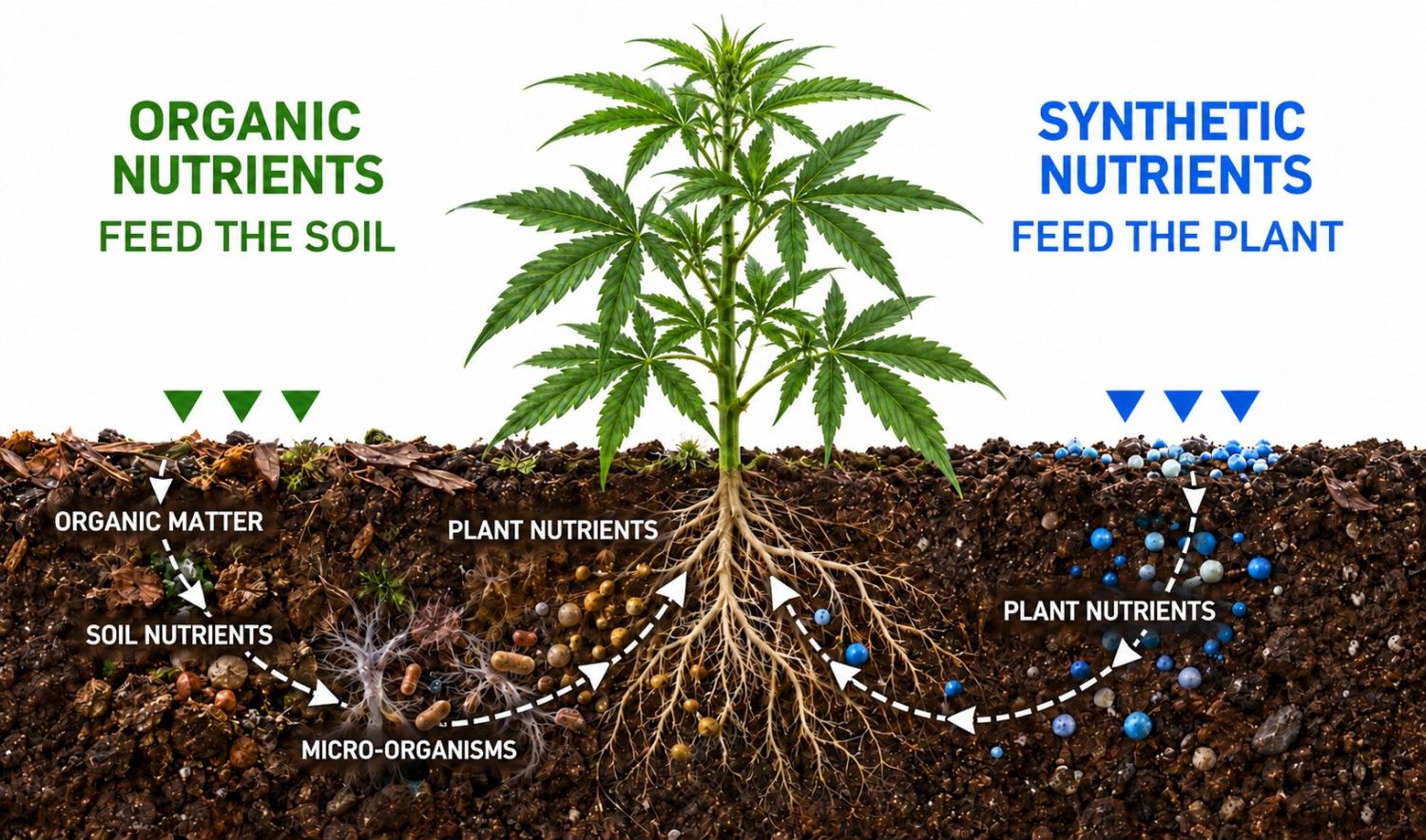
Organic feeding consists of maintaining good soil with beneficial microorganisms that form a symbiotic relationship with your cannabis plant. This way, the fungi feed on the sugars produced by plants while they break down nutrients and retain water in the rhizosphere, which makes it easier for your autoflower to absorb nutrients and hydrate.
On the other hand, synthetic nutrients consist of feeding the roots directly. This means that you don’t have to maintain healthy soil because synthetic nutrients can actually kill the microorganisms present, so despite being easier to feed synthetically, it’s easier to overfeed and end up burning your plants.
Plant Count
Another thing that will affect your yield is the number of plants you have in your grow space. You have the option to grow a few large-sized autos, or many smaller ones packed together in a Sea of green. Each have their own advantages and disadvantages.
For example, if you’re growing in a 1m2 grow space, you will have to choose between making the most of just one or two big autoflowers or growing up to 6 smaller autos. This is up to you, obviously.
It is always a good idea to know in advance if you can grow a Sea of Green, SCRoG, or prefer to let your autoflower grow naturally.
Sea of Green
If you are choosing to grow many small autoflowers packed closely together, then make sure the cultivar is well suited for that setup. You want to go for a shorter autoflower that grows relatively homogeneous. This way, you can fit between 6-10 autoflowers in a square meter, planting in 5-7.5 liter pots.
SCRoG
When growing in a SCRoG setup, you can go for whatever you want. Obviously, you won’t be able to fit 20 autoflowers in 1m2 but because this technique consists of shaping your autoflower into a dense canopy, you can get away with growing from 2-5 autoflowers in 7-10 liter pots. As long as you’re filling your SCRoG net properly, you’ll get a nice dense canopy and great results.
Big-Sized Plants
For some, it can be more practical to grow 1-3 bigger-sized autos, and for this, we recommend using a pot size between 10-15 liters to allow your autoflowers to grow to their maximum, reaching up to 150cm in some cases.
Plant Training
When it comes to autoflowering cultivars, it is best to apply certain training techniques to different cultivars. This will encourage a much bigger and more productive harvest, exposing the autoflowers to more direct light and increasing yields further.
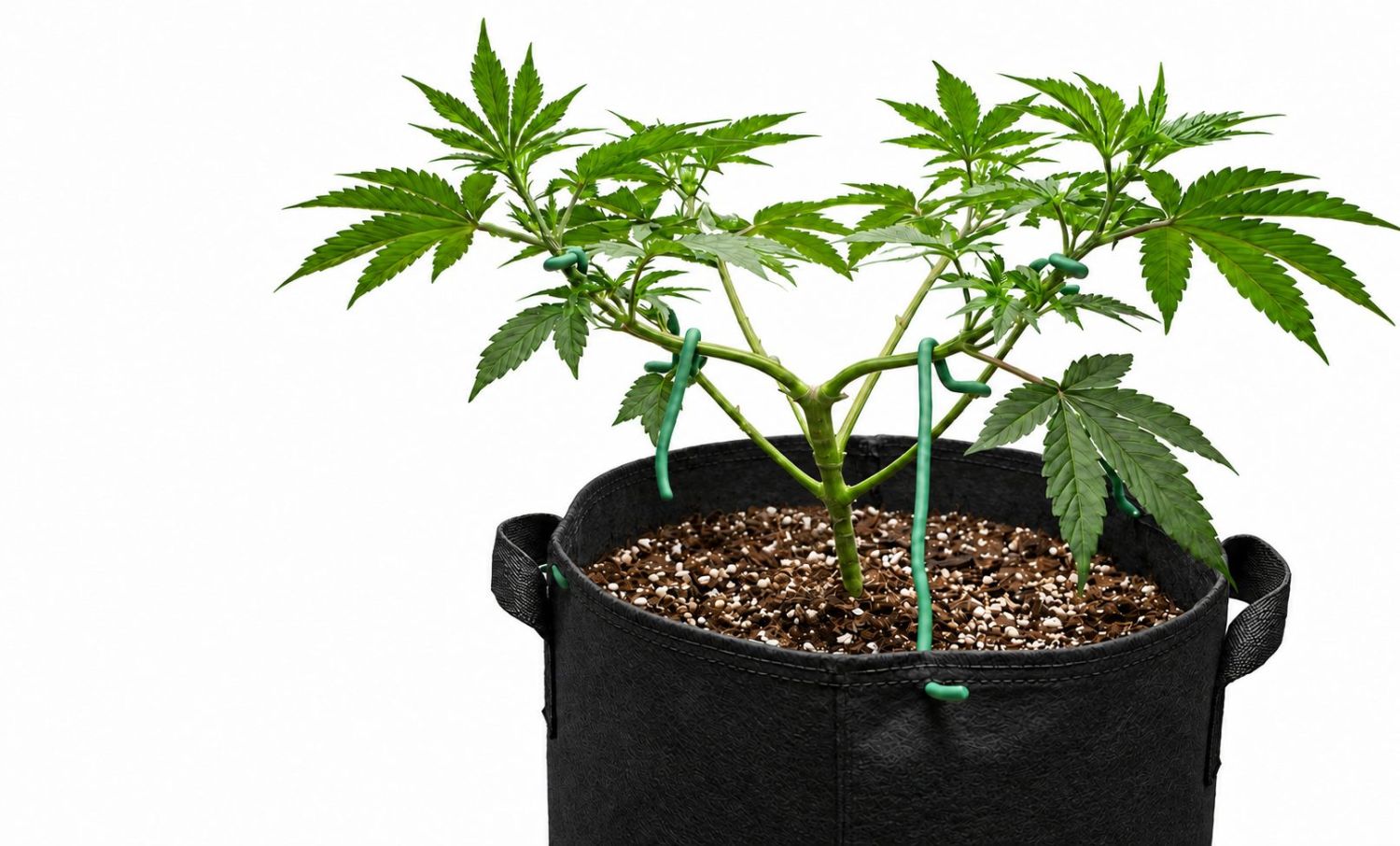
There are two types of plant training: LST and HST. Both of them help growers to help modify and shape the structure of an autoflower to either make the most out of the light fixture or control the size of the plants if you have limited grow space.
Low-stress training (LST) basically consists of bending or tying down the branches without mutilating the plants. As the name says, it’s less likely to stress your autoflowers when compared to HST, and it’s what it's usually recommended for autoflowers, but you can get away with HST if you know what you’re doing. Have in mind that LST requires patience and more work when compared to HST because you are shaping your plants gently day by day.
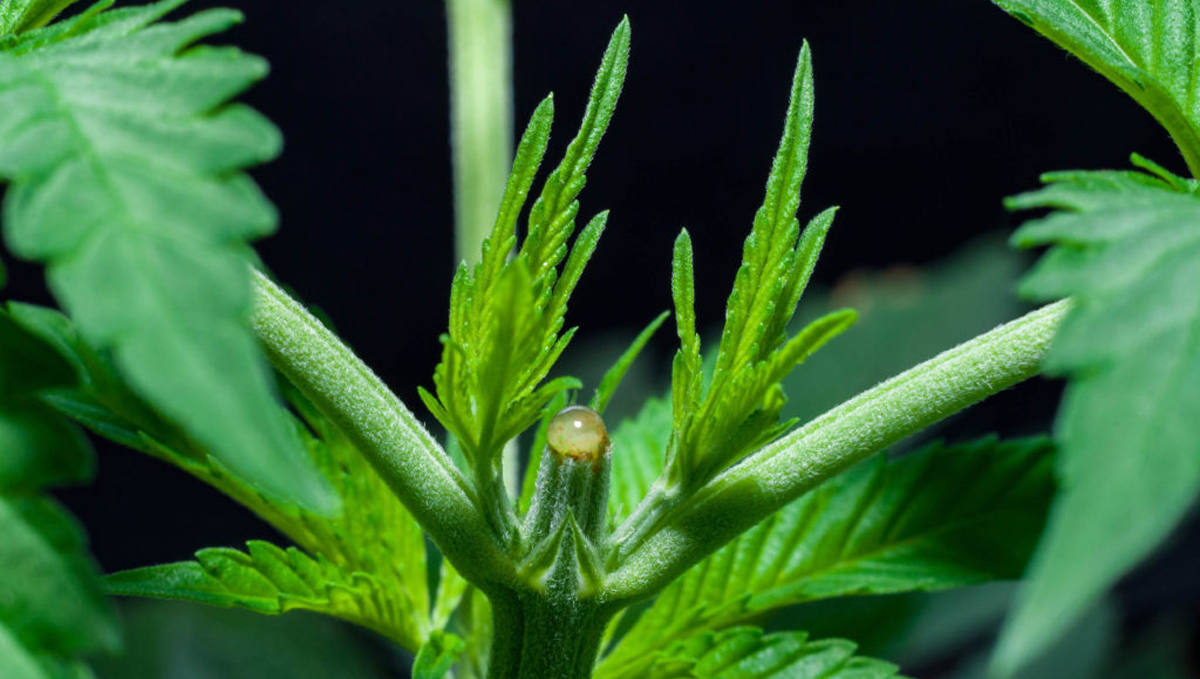
High-stress training (HST) consists of mutilating your cannabis plants, either by topping, defoliating, or fimming. You will have the same results as when performing LST, but you will have less work because once you’ve cut a part of your plant, the work is done.
- Low-stress training means tying the highest parts of the plant down to create an even-growing canopy of large-sized buds.
- It is best to avoid any type of plant training after your autoflowers have started flowering.
- Using a SCROG setup can increase yield and allow for a much more efficient growing space.
For the vast majority of autoflowering strains, we do not recommend using HST techniques unless you know what you are doing. Any time you stress a plant, you will stunt the growth for anywhere between 4 to 10 days, and with the genetic inbuilt timer that autoflowering strains possess, there is simply not enough time for the plants to recover. In the long run, you will end up diminishing the size of the yield, and possibly the quality of the final product. Unless you have a bunch of experience under your belt and really understand the way a certain strain grows, then stick to LST techniques.
The Cultivar
If you’re a home grower and want to make the most out of each seed, or if you’re a commercial grower and you prefer production before anything else, then finding the best genetics to aid in this job will give you the upper hand. Obviously, growing the highest-yielding autoflower is the way to go, but there are basic things you should know. There is a wide range of Indica and Sativa characteristics in hybrid autoflowering strains, with some being more rewarding than others when it comes to yield.
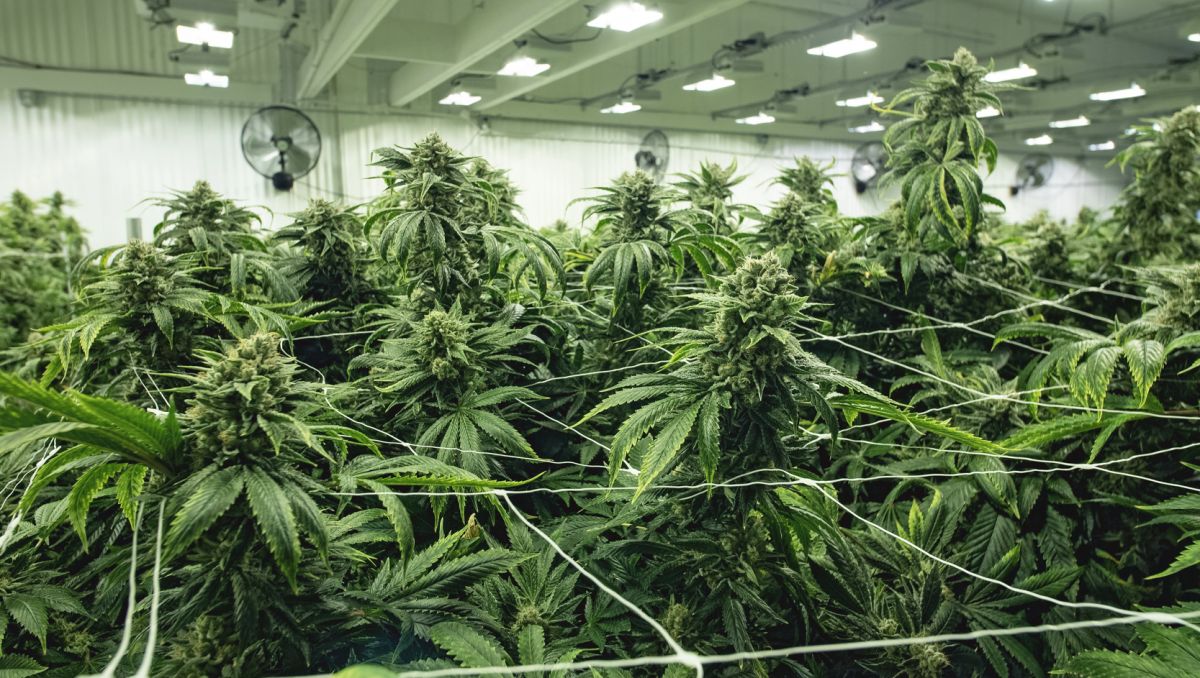
Now, don’t think that Sativa-dominant hybrids always yield more than Indica-dominant ones. Even though Sativas grow more, Indicas produce denser buds that, even though it might seem they produce less, can end up weighing more.
So have in mind that although you should choose your genetics based on how much they yield (if you’re looking for high yields) you should choose a strain that better suits your growing style and your growing conditions.
Always keep in mind:
- Some cultivars may take longer to flower and yield more than others.
- Certain strains are better suited for cold and others for hot climates.
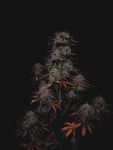
3. Our highest-yielding autoflowers
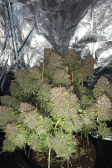
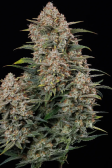
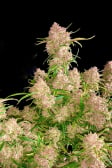
Gorilla Cookies Auto
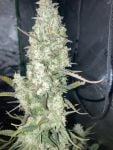
Gorilla Cookies Auto is a high-yielding, powerful autoflower created from a cross between GG4 Auto F6 and Cookies Auto F5.
Growing up to 150cm, this autoflower can produce up to 600 g/m². Although it has an Indica-like structure, it is a well-balanced hybrid that combines the best qualities of both sides.
The flowers deliver a striking aroma that blends earthy and kushy notes with hints of fuel and lemon, delivering a sweet, gassy cookie flavor.
The effects begin with an enjoyable, euphoric head high before gradually developing into a strong, deeply relaxing body sensation.



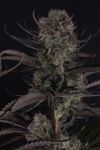
Guava RF3 Auto
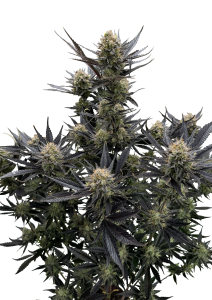
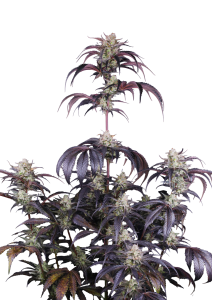
Guava Auto RF3 is the next evolution of a tropical powerhouse, refined through eight generations for elite stability, improved uniformity, tighter structure, and exceptional resin production.
Reaching 70–120 cm, Guava Auto RF3 performs reliably with minimal feeding and no complex training, while showing strong resistance to pests, mold, and environmental stress. Indoor growers can expect yields of up to 600 g/m², while outdoor plants can produce up to 300 g each.
Its refined terpene profile delivers a rich blend of sweet guava, creamy tropical fruit, and loud floral notes that become noticeable well before harvest. With THC levels of up to 30%, the effects are bright, uplifting, and creative at first, followed by a smooth, relaxing body sensation that remains functional and social.

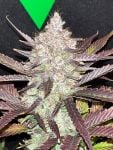
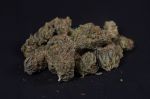
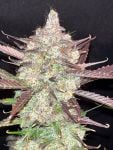
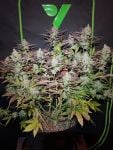
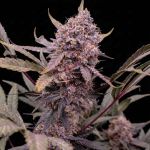
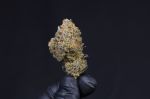
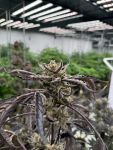
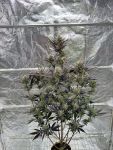
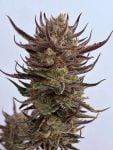
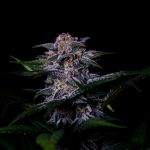
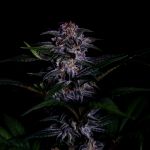
Strawberry Gorilla RF3 Auto
Strawberry Gorilla Auto RF3 is a legendary award-winning strain, refined for exceptionally loud terpenes, extreme potency, and heavier resin production. Reaching 77–132 cm, it produces XXL yields of up to 660 g/m² indoors in approximately nine weeks.
Its terpene profile blends sweet strawberry candy with sharp diesel gas and creamy berry undertones. The smoke is rich, smooth, and intensely flavorful, leaving a lingering berry-and-fuel finish.
With THC levels up to 31%, Strawberry Gorilla Auto RF3 delivers a powerful, balanced effect. It begins with an uplifting, euphoric head high before gradually settling into smooth, calming body relaxation.


4. Top Tips On How To Get Bigger Yields
1. Training your autoflowers is the best way to ensure the buds get enough light and airflow. When you open up the canopy, all the flowering sites will get direct sunlight, especially the lower flowering sites. This will not only improve the quality and quantity of your harvest but will also allow you to control the width and height of the autos.
2. The more light your autoflower receives over its 9-10-week life cycle, the more buds it will produce. If you're growing outdoors, planting towards the end of spring, early summer will often deliver the best results outdoors. If you’re growing indoors, you should provide at least 75w per plant and experiment with trying different light cycles such as 18/6, 20/4, or 24/0. Each one of them has its own pros and cons, but most certainly, the more light you provide to your autoflowers, the higher the yields. Here at Fastbuds, we recommend the 18/6 light schedule for almost all autoflowering strains.

3. Plant training is a great way to really maximize your growing space and produce a crop that is uniform and easy to maintain, and it’s how to get the best yield from cannabis plants.
4. Adding support early on using bamboo canes will ensure your plants can withstand the weight of the buds and allow the plants to grow really fat buds without the risk of snapping the branches.
5. Autoflowers make it easy to maintain a perpetual harvest. By growing an autoflowering cultivar, you can keep harvesting every couple of weeks in the same grow tent and under the same light cycle.
5. In Conclusion
There are many variables that should be considered when thinking about the best autoflower yield. Hitting the numbers that the seed banks suggest takes time and is only used as a guide. Having the ideal balance of lighting, cultivar, nutrients, plant training, climate, and location all play a role and should be planned out beforehand to give you the upper hand when planting outdoors.
You must provide the best conditions if you want the best yields; Things such as temperature, humidity, airflow, and nutrients can and will affect how your autoflowers perform their basic processes such as transpiration and photosynthesis, among others, so you must have the right equipment to check and adjust these factors.
Obviously, you can grow your autoflowers without worrying too much about it, but if you're looking to make the most out of every single seed and really take your harvest to the next level, we strongly recommend getting at least the basic tools to be able to measure and adjust the temperature and humidity. Good luck hitting those numbers and harvesting crops as often as possible. If you have tips for our fellow growers, feel free to leave a comment in the comment section below!
FAQ
Autoflowering cannabis plants can yield anywhere from 30 g to more than 300 g per plant. Results depend on the strain, grow space, light intensity, container size, climate, and overall plant care.
Modern autoflowers can produce comparable yields, especially when grown indoors with strong lighting. However, photoperiod plants can stay in vegetative growth longer, giving them greater potential for maximum size.
Most autoflowers are ready to harvest in 8–10 weeks from seed. Faster varieties may finish earlier, while larger XXL strains can take slightly longer.
Generally, larger plants have the potential to produce more flowers, but structure and bud density matter too. A compact plant with dense, resinous buds can still deliver an impressive yield.
Many growers use 11–20 litre pots for autoflowers. Larger containers allow more root development, which can support stronger growth and bigger yields.
Plant training techniques can help create a more even canopy and expose more bud sites to light. Avoid overly stressful techniques, as autoflowers have a limited recovery window.
Autoflowers perform well with long daily light periods, commonly 18–20 hours indoors. Keep in mind that light spectrum matters as well.
Use quality genetics, provide stable conditions, choose adequate containers, avoid overwatering, and maintain consistent light. Healthy plants with minimal stress are more likely to reach their full potential.
More resin doesn’t necessarily mean better yields. However, resin-rich flowers can provide better extraction returns because trichomes contain many of the plant’s cannabinoids and terpenes. Genetics bred for heavy frost are often preferred by hashmakers.
Harvest timing is usually determined by examining the trichomes and flower maturity. Many growers harvest when trichomes are mostly cloudy with some amber coloration, depending on their preferred effect.
Comments