




How To Tell If My Autoflower Is Ready for Harvest


- 1. Breeder’s schedule
- 2. By looking at the stigmas (pistils)
- 3. Different states of the trichomes
- 4. Decreased water usage
- 5. Senescence: yellowing and dying fan leaves
- 6. In conclusion
One of the most-asked questions in 2026 is still: when to harvest? There’s no exact time to harvest. You need a little knowledge of cannabis anatomy to look out for the signs your plant gives. We recommend harvesting when your autoflowers have the highest amount of THC and are at their peak potency. That is, when the trichomes are cloudy or milky. However, you should take into consideration all signs to know when it’s time to harvest. Here we’ll explain how to look out for these signs and what they mean.
1. Breeder’s Schedule
You should never go by the time written on the packaging. That schedule is an approximate number of weeks and completely depends on growing conditions. Your autoflower can take more or less time to fully mature, but you can use it as a general guideline for when to start looking for the signs. In general, autoflowering strains will take anywhere between 8 and 11 weeks to complete the full seed-to-harvest lifecycle.
But within a strain, there can be multiple different phenotypes. Say you buy a pack of 10 seeds, all of the same strain. You should expect all of these plants to be ready at the same time, right? Wrong! Every seed (even from the same strain) can and will act slightly differently.
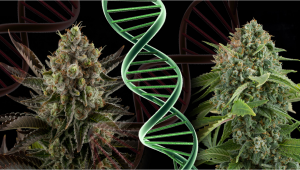
This is due to the genetic differences between the mother and father plants that produced the seeds. Each and every seed will display unique traits that are a result of the genetic codes of its parents mixing. Now, you could get a batch of seeds that are all super similar, but you could get a huge range of various traits also. Each and every different phenotype can take an individual amount of time to be ready for harvest, so it’s highly important that you come to understand all the ways to identify when each plant is ready for harvest separately.
So let’s dive headfirst into all the things you need to understand to make a properly informed decision about exactly when and when not to harvest your autoflowering cannabis crop.
2. By Looking at the Stigmas (Pistils)
Stigmas (pistils) are those white hairs you see when your plant starts to flower. They are made to catch pollen; if they don’t get pollinated, they will start to turn brown and wilt. That’s usually a sign of maturity.
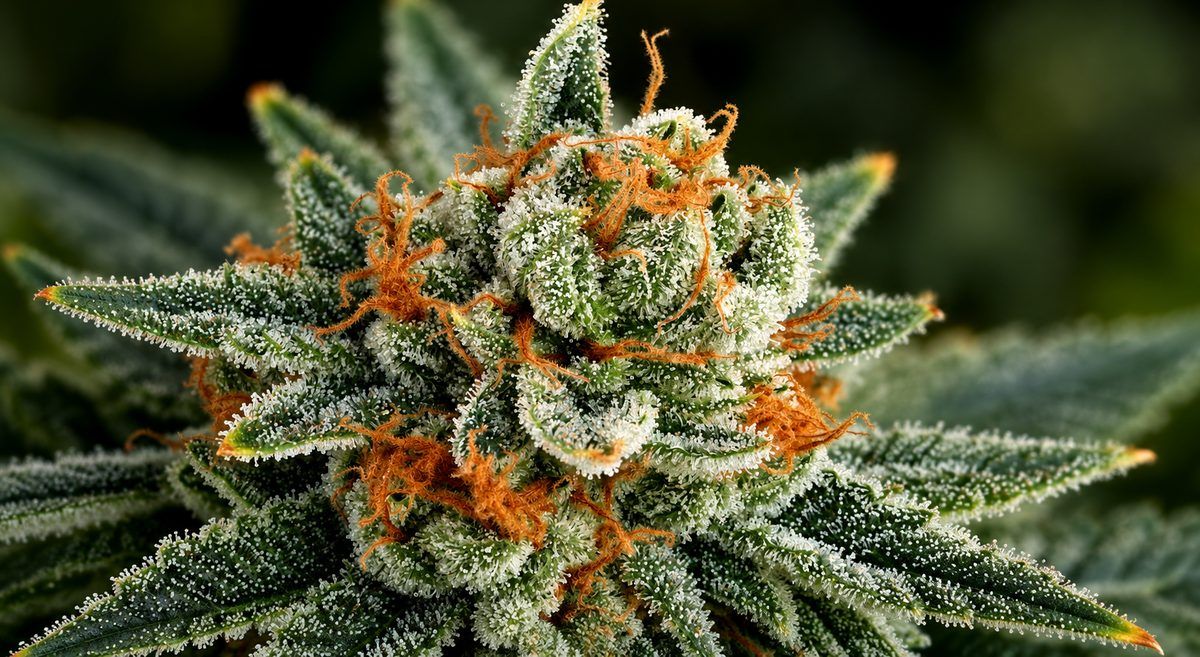
However, this method is not that accurate. Even with a majority of brown pistils, your plant can still need a couple of days or weeks to be fully mature and ripe.
3. Different States of The Trichomes
Trichomes are the most important anatomical part of the plant. They are small mushroom-shaped glands that produce cannabinoids and terpenes. To be able to see them, you will need a magnifying glass, microscope, or a really good camera. They have different states of degradation that can be identified by their color (clear, cloudy, and amber).
Trichome color is considered the standard measurement when finding the right time to harvest; depending on the color, the final product can have a slightly different effect.
Clear trichomes mean that cannabinoid production has not hit its peak point yet, so you shouldn’t harvest at this stage.
Cloudy trichomes mean the trichome heads are full of THC, which delivers more of the head high associated with the effect of Sativa strains.
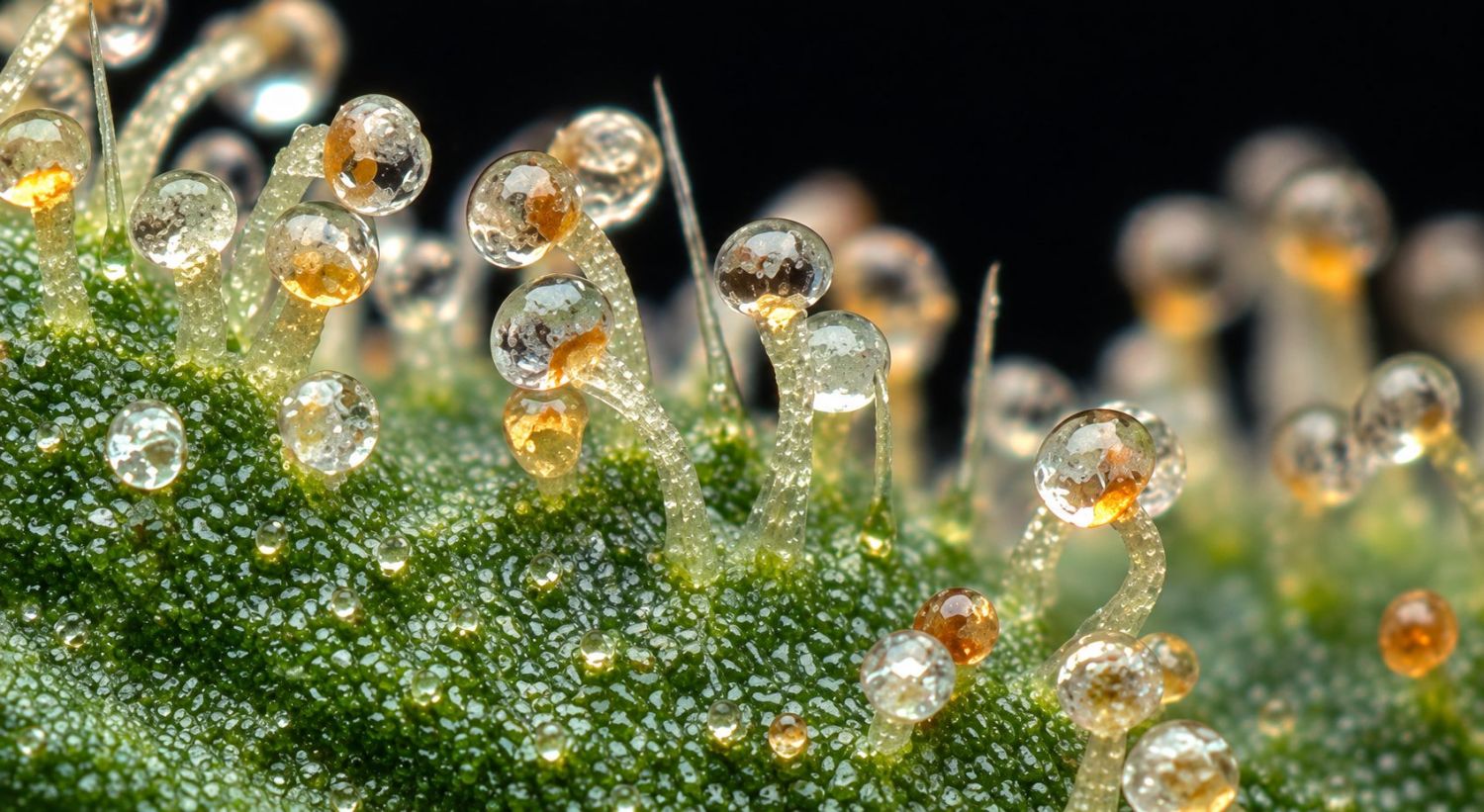
Amber trichomes mean some of the THC has already started oxidizing into CBN, meaning it will give more of a sedative high, sometimes associated with the effect of Indica strains. Note that you can harvest a Sativa strain with amber trichomes and an Indica with clear trichomes. It all depends on your preference.
In general, we recommend harvesting when trichomes are a mix of about half cloudy and half amber. This will ensure you’re harvesting at peak potency while getting a full or wider spectrum of cannabinoids, providing a well-rounded psychoactive effect that can be expected from that particular strain.
Studying trichome maturity is the only surefire way of knowing when a cannabis plant, autoflower or photoperiod, is ready for harvest. But trichomes are tiny; how are you supposed to see what's going on?

It's true, trichomes are too small to properly study with the naked eye. You need a magnifier of some sort. The stronger, the better. A 30x or 60x Jeweler's loupe will work well, but even a cheap 10-20x pocket magnifier from a novelty store can work in a pinch. But if you are serious about really seeing in depth, then we recommend picking up a portable USB microscope. You can get a pretty good one for less than $50, and trust us when we say they make a huge difference.
Once you have a way to properly see your trichomes, it's time to start looking at them closely and determining their state. You will need a steady hand and some patience. There are a few obvious advantages of using a portable USB microscope over a jeweler's loupe or a magnifying glass.
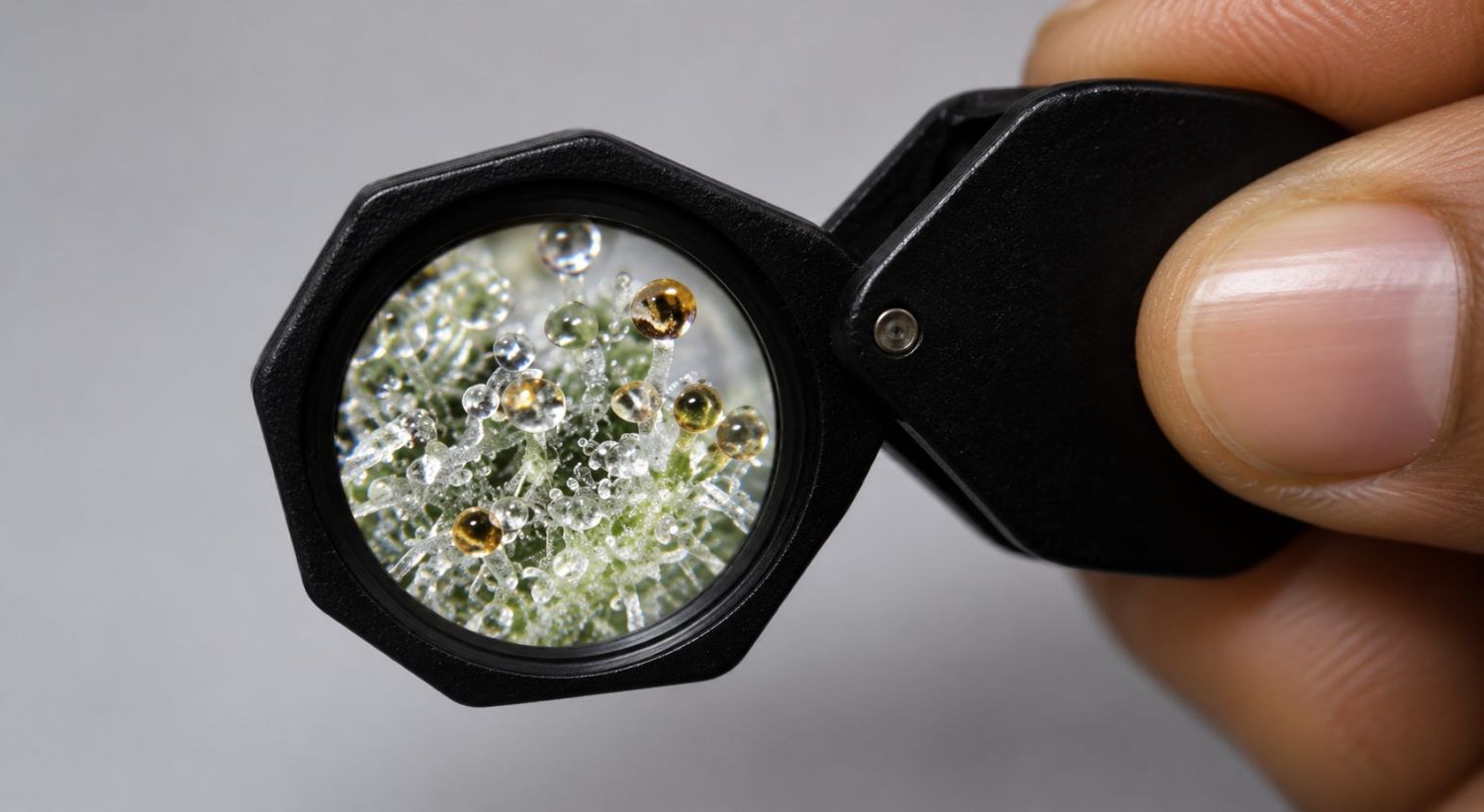
USB microscopes come with a built-in lighting system, so you won’t have to worry about casting a shadow over the area you’re trying to view. They can be paired with a smartphone or computer, making the viewing area much larger and easier to see. Once connected, they can be used to take videos and still images, which you can share with other cultivators.
If you’re just starting to grow weed, it can be difficult to tell when your plants are ready. If you have a friend or two with more experience, send them a photo or video of your trichomes and ask for their opinion.
4. Decreased Water Usage
When your cannabis plants start to take less water, it's a sign that there’s no new growth and they're ready to be chopped. It’s not exact, but if the medium stays wet for a day or two longer than usual, it probably means it’s ready to be chopped.
5. Senescence: Yellowing and Dying Fan Leaves
At the end of a photoperiod and an autoflower's life cycle, the fan leaves will start to turn yellow and die.
In optimal conditions, this happens naturally through a process called senescence. This is a cannabis plant’s natural aging process as it nears the end of flowering. It gradually redirects energy away from producing new leaves and toward finishing and ripening its flowers. Typical signs include:
- Older fan leaves fading from green to yellow, then sometimes purple, red, or brown.
- Slower growth and reduced water/nutrient uptake.
- Buds continuing to mature while the plant sheds less-useful foliage.
Trichomes becoming progressively cloudier, with some turning amber.
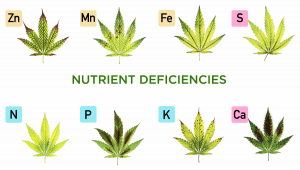
It is normal late in bloom, especially when it begins with the oldest leaves and progresses gradually. By contrast, rapid yellowing, spotting, curling, or leaf damage early in flowering is more likely due to a nutrient, watering, pH, pest, or environmental issue rather than natural senescence.
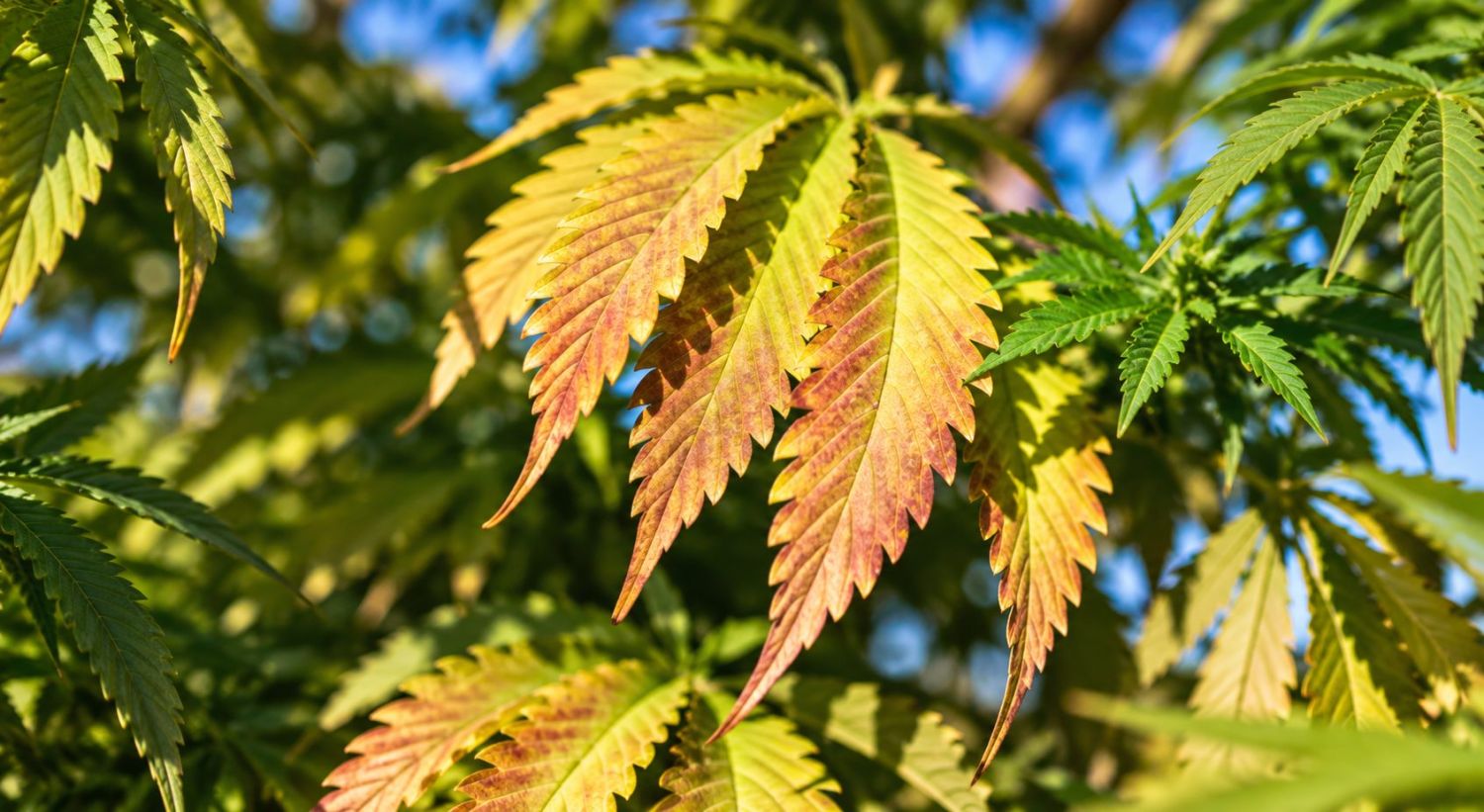
By paying attention to this and all the other signs mentioned in the article, you should be able to harvest at the exact correct time. Remember that yellowing of leaves is a sign of maturity in the flowering stage. If you see yellowing in the vegetative stage, it’s a sign that something’s wrong.
Expert Opinion by Jorge Cervantes - co-author
Determining the perfect harvest time for autoflowering cannabis is a skill that combines observation, experience, and a deep understanding of plant biology. As a veteran in the cannabis cultivation field, I've always emphasized the importance of harvesting at the right moment to ensure the highest quality and potency of your yield.
This article, co-authored with Enzo Schillaci, provides a detailed look into the signs that indicate when an autoflowering cannabis plant is ready for harvest. The key lies in observing the subtle changes in the plant, from the color and state of the trichomes to the pistils' behavior and the leaves' overall health. Each indicator tells a story about the plant's maturity and readiness for harvest.
One of the most reliable methods to determine harvest time is by examining the trichomes. These tiny, resinous glands hold the essence of the plant's potency and flavor. Understanding their color changes and what each stage represents is crucial for harvesting at the peak of THC production or achieving the desired effect, whether it be more uplifting or sedative.
In conclusion, the art of harvesting autoflowering cannabis at the right time is a blend of science, patience, and keen observation. This article provides a comprehensive guide to mastering this skill, ensuring that your efforts in cultivation culminate in the highest quality harvest. Remember, each plant is unique, and getting to know your plants intimately is the key to successful cultivation.
6. In Conclusion
Now that you know when to harvest cannabis, you know that there is not one exact measurement to know if your autoflower is ready for harvesting. We recommend using all these signs together to have an idea. Remember, different growers like different highs, and you should experiment and test to see what works for you.
Remember, the state of the trichomes is the gold standard for working out if your plants are ready to be chopped. All the other factors can fluctuate, resulting in a confusing decision. Fan leaves may never turn fully yellow or may yellow well before the plant has reached maturity. The plant may stay thirsty right up until harvest day, or may have decreased water needs for weeks. Keep a close eye on the trichomes for the best results.
FAQ
The best overall sign is a combination of mostly cloudy trichomes, some amber trichomes, swollen buds, and mostly darkened pistils. Looking at several signs together will give you a more accurate picture than relying on one signal alone.
Once the buds look well developed and the estimated finish window is approaching, check trichomes every few days. As the plant gets closer, daily checks can help you harvest at your preferred point of maturity.
Clear trichomes usually indicate that the plant is still immature. Cloudy or milky trichomes suggest peak cannabinoid development, while amber trichomes indicate further maturity. Many growers harvest when most trichomes are cloudy, and a smaller percentage are amber.
Harvesting too early can lead to smaller yields, less developed aromas, and a less mature cannabinoid profile. Clear trichomes and lots of fresh white pistils are common signs that the plant would benefit from more time.
Check trichomes on the calyxes and swollen parts of the buds whenever possible. Sugar-leaf trichomes can turn cloudy or amber sooner, which may make the plant appear more mature than it really is.
A jeweller’s loupe, USB microscope, or phone-compatible macro lens can help you see trichomes clearly. The important thing is to inspect the trichomes on the buds rather than those on the sugar leaves, which often mature earlier.
Clear trichomes generally mean the flowers need more time to mature. At this stage, the resin glands are still developing, so harvesting too early may result in lower potency and less developed flavour.
Cloudy or milky trichomes are a sign that the plant is reaching maturity. This is often considered the main harvest window for growers looking for a balanced effect.
Amber trichomes are more mature resin glands. A small percentage of amber trichomes is common around harvest time, while a higher percentage may be preferred by people looking for a more relaxing, heavier effect.
A period of darkness before harvest can give you time for the soil to dry out more, or to set up the drying space. However, it’s not essential for optimal flower quality. The most important factors are harvesting at the right maturity and maintaining a clean, stable environment until harvest.

Comments