




How to Grow Weed Fast



- 1. 1) choose autoflowers over photoperiod strains
- 2. 2) go organic, if possible
- 3. 3) use training techniques
- 4. 4) avoid over-watering
- 5. 5) use the best containers
Out of the many questions from cannabis growers, the one that’s frequently touched upon is how to grow cannabis fast. It’s a natural question and a very valid one at that. Growing cannabis requires expertise, knowledge, and patience. Yes, you need to be patient to get to those buds at the end of it all, but who wants to spend months at a stretch?
It’s 2026, and there must be an easier way, after all. And there is. Growing cannabis can be easy. There’s no need to make it complicated. But to harvest the buds faster? Is that even possible? Yep. Very much. And today, I’m going to show you how.
1) Choose autoflowers over photoperiod strains
What exactly are autoflowers, you ask? Well, autoflowers come from a special type of cannabis plant called Ruderalis, which flowers based on its age rather than a light cycle and is native to Central and Eastern Europe and Russia. While this type of cannabis wasn’t as popular as Indica and Sativa photoperiod varieties, modern autoflowers have come a long way in the last 10 years, and now they can compete with photoperiods in terms of quality and yields, while still delivering their main advantage: they can grow and flower under any light cycle.
On the other hand, photoperiod strains require a specific light cycle to grow, and the flowering cycle depends completely on the amount of light and darkness received per day. For example,
Indoor growers provide 18/6 hours of light/darkness and switch to 12/12 hours of light/darkness to induce flowering. However, autoflowers are different. Rather than relying on light cycles, they flower automatically. And thus, the name “Autoflowers”.
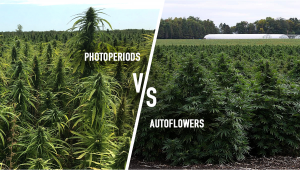
Another important reason that sets autoflowers apart from photoperiod plants is that you can harvest your buds faster. With photoperiod strains, the vegetative period, where the plants grow, requires at least 7-10 weeks of growth.
Growers provide 18/6 hours of light/darkness in this cycle. Once they switch to 12 hours of darkness, flowering begins. This period requires another 7-10 weeks. As you can surmise, photoperiod plants require at least 14 weeks from seed to harvest.
On the other hand, most autoflowers will flower automatically after approximately 4-5 weeks in the vegetative stage, followed by 5-6 weeks of flowering.
In some cases, autoflower strains such as the Lemon Tree Auto and Pineapple OG Auto can finish their entire life cycle in as little as 8-9 weeks from start to finish.
So, if you grow autoflowers, you automatically have an edge over the others. There are several different variables that you need to focus on if you want to grow weed as quickly as possible. Among these factors, genetics ranks the highest when it comes to speed. Through the process of selective breeding, cannabis breeders have created extremely fast-growing and fast-flowering varieties that charge through the entire growing cycle in a matter of weeks. Combining this breeding process with already quick autoflowering genetics has created the speediest strains on the market. If speed truly is your primary goal, you’ll have to limit your strain selection. Opting for towering photoperiod sativa strains simply won’t result in a quick harvest, as they require months of development and flowering in order to live up to their full genetic potential.
2) Go organic, if possible
Fertilizers are amazing for your plants. They help your plants grow bigger and stronger. However, some fertilizers contain synthetic ingredients. If you overfeed your plants, you are bound to taste the fertilizers in your buds. Not to mention that fertilizers are super expensive. They are commonly used by growers around the world, but you can’t ignore the fact that they can make the soil toxic. You can also over-fertilize the plants and kill them while actually trying to nurture them.
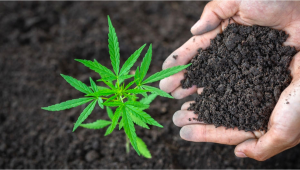
So, instead of relying on synthetic/inorganic fertilizers, why not go organic? You can make your own compost at home and make super soil that not only produces big plants but also eliminates harmful ingredients. How awesome would it be if you contributed to greenery while growing cannabis at the same time? Most growers believe that organic ingredients aren’t as effective as chemical fertilizers, but that’s just a myth. In fact, buds tend to swell more and taste better compared to buds grown with chemicals.
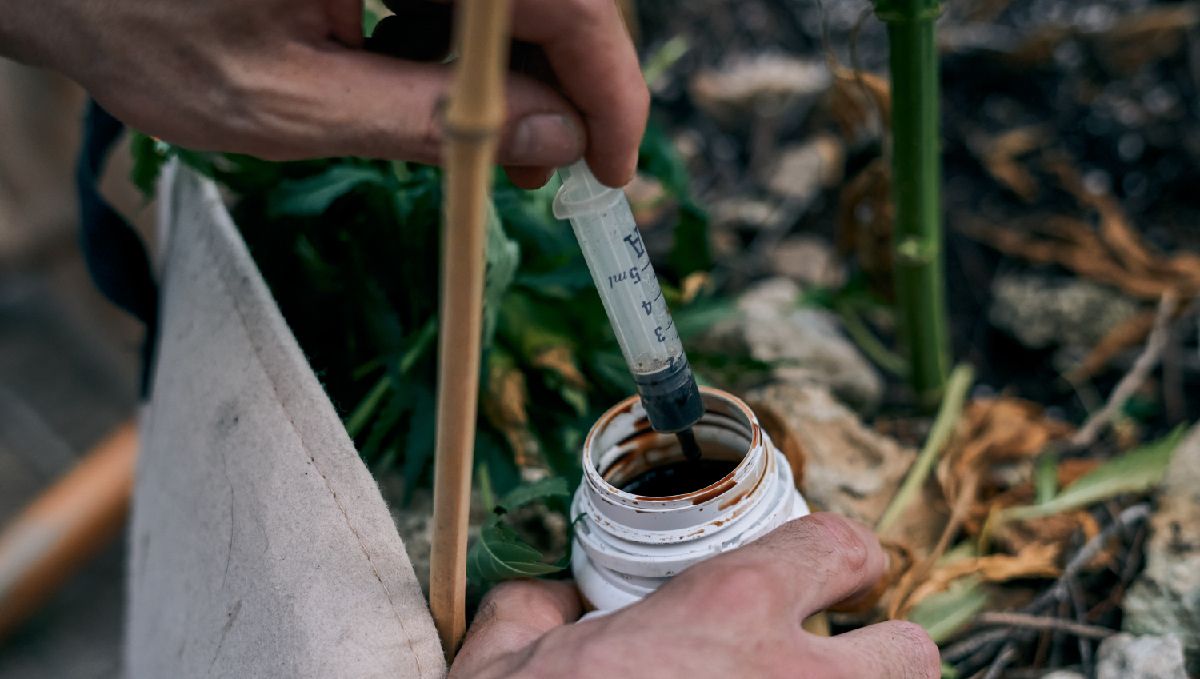
On the other hand, organic nutrients tend to stimulate the soil and help the plants grow naturally. For example, if you include mycorrhizae in your soil, you encourage a symbiotic association between the plant and the roots. It’s natural, and your plants will appreciate the natural progress rather than being bombarded by chemicals. Also, growing with natural ingredients is likely to push the plant to flower faster. In other words, you harvest those juicy buds faster!
If you have the luxury of growing outdoors, you can also massively reduce the time it takes to prepare to grow in the process, which will streamline the growing cycle even more. There are several techniques that will allow you to maintain a fertile patch of ground that’s ready to receive seeds or transplants as soon as the last frost of spring passes. Not only will this soil take plants and allow them to mature with minimal intervention, but it’ll become even more fertile—and therefore produce healthier and more productive plants—over the years if managed correctly. First of all, you should abandon your rototiller and opt to take a no-dig approach. This style of growing helps to protect the microbial soil life that cycles nutrients in the soil. Next, use a dead mulch (such as leaves or grass) during the growing season to keep the soil covered. This will also protect microbes, which adds fertility to the soil as it breaks down. Next, consider using a cover crop, such as broad beans or peas, during the off-season. These plants also protect the soil. During early spring, terminate the crop, and it’ll add fertility to the bed below.
3) Use training techniques
There are several training techniques you can employ on your cannabis plants. However, not all of them will work on autoflowers. The best part of growing autoflowers is that they give great yields even if they aren’t trained at all.
Also, note that the plants need to be very healthy to train them. If in doubt, don’t train them until you’re really sure that you have the expertise. Here are a few techniques that are best for autoflowers.
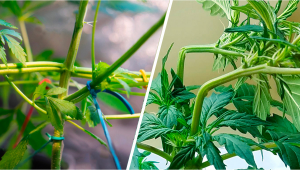
- LST - LST is the short form for Low-Stress Training. As the name suggests, the key is to stress the plant just enough to push it to grow faster and better. In this method, the branches are tied to the sides so that the center of the plant gets more light.
With this technique, light is distributed uniformly, and you won’t have to deal with popcorn buds.
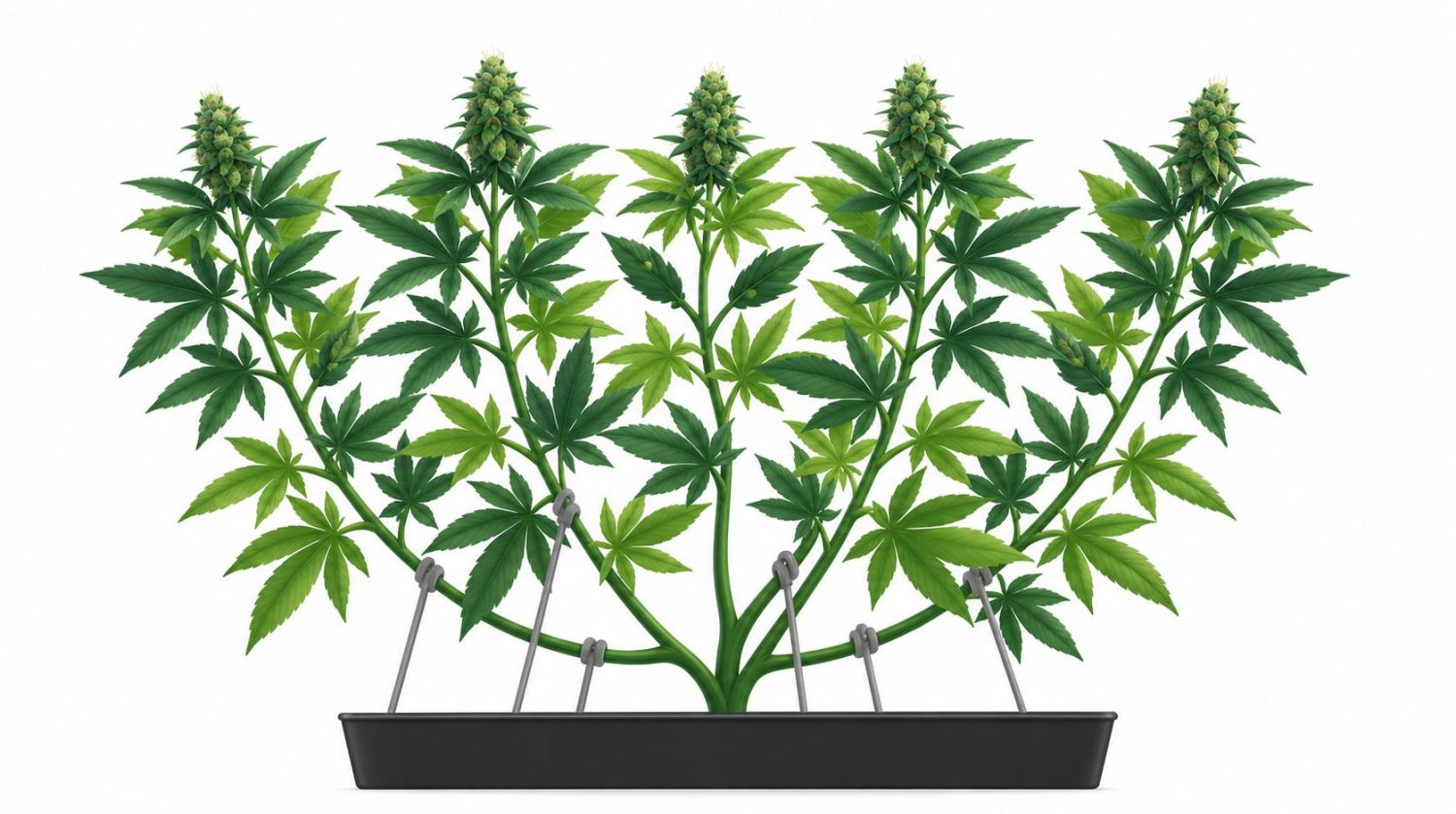
Autoflowers need to be trained carefully, but since LST is about minimally stressing the plant, it works pretty well. However, the next two are HST (high-stress training) techniques, and though they can be used with autoflowers, you have to be very careful.
- Topping – The top of the plant is cut off so that the main cola divides into two. This works very well, especially if the plant is small and has fewer nodes. This training method can stress the plants too much, but it can be used with autoflowers as long as you do it carefully.
- FIMming – Very similar to topping, this method involves pinching the top of the main cola. Unlike topping, the tip of the main stem isn’t cut off entirely, but it’s just pinched off so that it develops more colas.
4) Avoid Over-watering
Overwatering is one of the most common ways to kill a cannabis plant. Not only cannabis plants, but applies to most plants in general. Overwatering reduces oxygen in the substrate, which can slow down and eventually stunt growth.
A good way to follow the wet and dry cycle is to touch the soil and figure out whether it’s wet or dry. If the soil is wet, just don’t water the plant at all. And if the soil is moist, wait a couple of days until it’s drier.
Another method to check when to water the plants is to weigh them. Just lift the pots. If they feel too heavy, they have too much water, and you’ll have to wait. On the contrary, if you can lift them easily, it’s time to water them – as simple as that.
5) Use the best containers
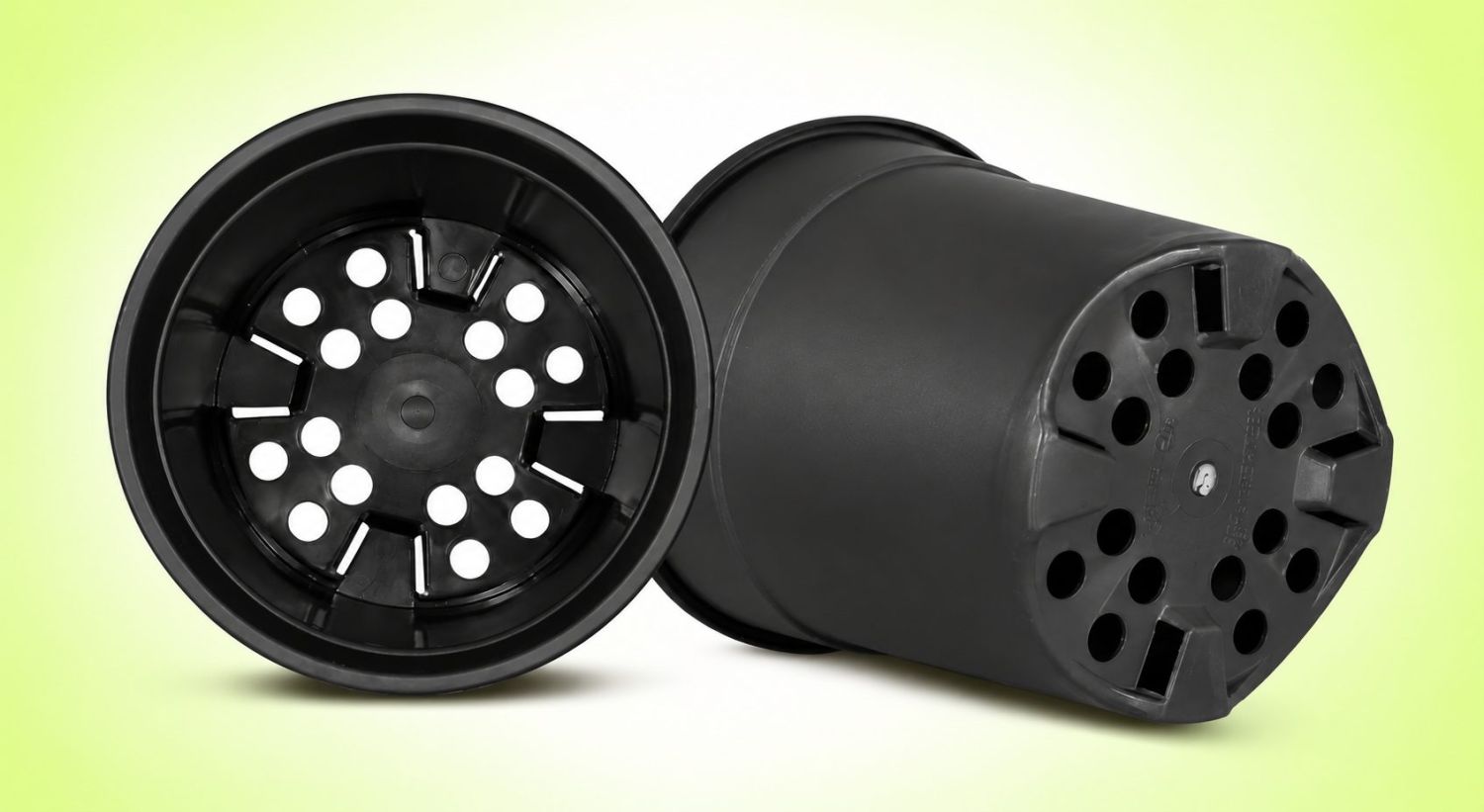
Cannabis plants love fabric pots. Fabric pots like Smartpots are best for all plants, but when growing indoors, it becomes an important factor. In fact, you should stick only to fabric or Airpots when growing indoors because it takes a while for the soil to dry. This doesn’t apply if you’re growing hydroponically, but if you’re using soil, you need all the help you can get.
Fabric pots encourage the roots to travel to the sides of the pot in search of air. Roots require oxygen to grow. And strong roots mean that you get strong plants. When the roots reach the sides of the container, the tips die and secondary roots are produced automatically. This results in a sturdy plant that has a solid root system.
Airpots contain many holes that aid the roots in receiving oxygen. The idea is to prune the roots of the plants. Many gardeners prune not only the stems but also the roots of the plant. This requires a lot of experience, though. Pruning forces the roots to grow aggressively, and this inadvertently helps the plant.
Plastic containers are good, but they tend to hold water for longer. Eventually, the roots become waterlogged.
If you have only plastic pots, simply drill more holes in the pot so that it drains well. It’s important to let the water drain completely so that you don’t encounter root rot and other issues. You can grow marijuana fast if you put your mind to it. However, growing cannabis is an art. It’s important to be patient and let the plant do its thing. Sure, you can do a lot to harvest the buds faster, but you need to leave the plant alone to do what it knows best.
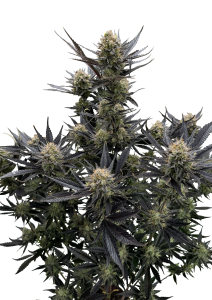
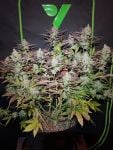
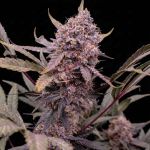
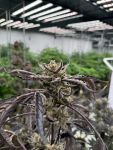
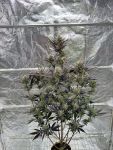
Most autoflowers are ready to harvest in around 10 weeks, but at Fast Buds, we offer strains like Guava Auto RF3 and Frostbanger Auto that complete their entire life cycle in just 8–9 weeks!



FAQ
Autoflowering cannabis strains are generally the best option when speed is the priority because they flower automatically and often complete their entire life cycle in 8 - 10 weeks, whereas traditional photoperiod strains can take +14 weeks.
Yes, some exceptionally fast autoflowering strains such as Frostbanger Auto can potentially finish in around 8 weeks under good conditions.
Adequate light supports healthy, vigorous growth, but more isn't always better. Excessive light intensity can stress plants and potentially slow development. The goal is to utilize a PAR meter to provide an appropriate amount of light throughout each growth stage.
Not necessarily. Organic cultivation has several potential advantages, particularly for soil biology, but it isn't automatically faster. Healthy growth depends more on providing balanced and available nutrition than simply choosing between organic and mineral nutrients.
No. Flushing shouldn't be considered a technique for accelerating flowering or ripening. A plant's maturation rate is primarily determined by its genetics and growing environment.
Yes. Excessively wet growing media can reduce oxygen around the roots and interfere with healthy root development. Maintaining an appropriate balance between moisture and root-zone aeration helps prevent unnecessary growth setbacks.
Fabric pots can encourage good drainage, gas exchange, and air pruning of roots. However, they don't automatically make cannabis grow faster. Plastic and other containers can also perform well when their drainage, substrate, and irrigation are properly managed.
Hydroponic systems can produce rapid vegetative growth because water, oxygen, and nutrients can be tightly controlled around the roots. However, they require careful management, and the plant's genetics still place limits on how quickly it can reach maturity.
Stable conditions generally produce the best growth. Appropriate temperature, humidity, lighting, airflow, root-zone moisture, and nutrition help plants develop without slowing down growth or wasting time recovering from environmental stress.
Trying to force the plant to grow faster than its genetics allow. Excessive nutrients, too much light, aggressive training, or intentionally stressing plants can actually delay development. For the fastest possible harvest, start with fast genetics and focus on maintaining healthy growth.


Comments