




Cannabis Roots: All You Need To Know



- 1. What are roots?
- 2. The growth of roots
- 3. The structure of roots
- 4. The functions of roots
- 5. Cannabis roots during flowering
- 6. Flushing the roots
- 7. Main problems with roots: excess and lack of water
- 8. The history of medicinal use of cannabis roots
- 9. Ways you can boost root development
- 10. In conclusion
The root is the first thing you see when germinating your cannabis seeds. They are what the plant uses to absorb water and nutrients to be able to grow and is definitely the most important part of your plant. Many cannabis growers often overlook the roots of their plants (ironically, they are underground after all!). Instead, they tend to place most of their focus on the aerial parts of the plant. These areas, including the flowers and fan leaves, are the most visible, and growers are concerned with their development because they offer clues of disease and nutrient deficiencies. Plus, cultivators are mostly concerned with the proper development of cannabis flowers, as they possess the phytochemicals that make cannabis worth growing in the first place. However, none of this above-ground growth would be possible if it wasn’t for a healthy root system. The roots literally form the foundation of cannabis plants. They keep plants anchored into the ground, and they take up nutrients, water, and oxygen.
However, cannabis roots are more than a mere bunch of biological tubes that unwittingly uptake chemical compounds from the soil. Instead, this network serves as a communication medium between plants and the outside world down in the soil. Known as the rhizosphere, the sliver of space (we’re talking a matter of millimeters here) that surrounds the roots is bustling with life, including bacteria, fungi, protozoa, and viruses. However, these organisms don’t end up in this area by accident. Plants essentially farm them—yes, you heard that right! By releasing a concoction of exudates into the soil via their roots, including sugars, fatty acids, alkaloids, and amino acids, plants attract microorganisms that cycle nutrients, helping to convert complex particles of organic matter into free nutrients that roots can access. Roots are absolutely vital to cannabis plant health and productivity, and growers should do everything possible to keep this part of their plants vibrant and healthy. You’ll find out exactly how to promote optimum root health below in this 2026 article.

1. What Are Roots?
The roots are the most important part of the plant and are the first part of the plant to come in contact with the medium after germination. Most plants have three types of roots: taproot, fibrous roots, and adventitious roots. Fibrous roots are the roots that grow into the medium. Adventitious roots are those that can grow from the stem toward the medium. Cannabis has all three types of roots. The taproot appears when germinating, fibrous roots when it is already developing, and adventitious roots when cloning. When looking at a germinating seed, the small white root that emerged might seem insignificant. At the time, it appeared small and unimpressive. However, this structure will go on to become one of the most important parts of the entire plant. The taproot plays two major roles. Firstly, it serves as a solid and reliable anchor that penetrates deep down into the soil. By moving down into the earth, the taproot helps to keep cannabis plants upright and standing.
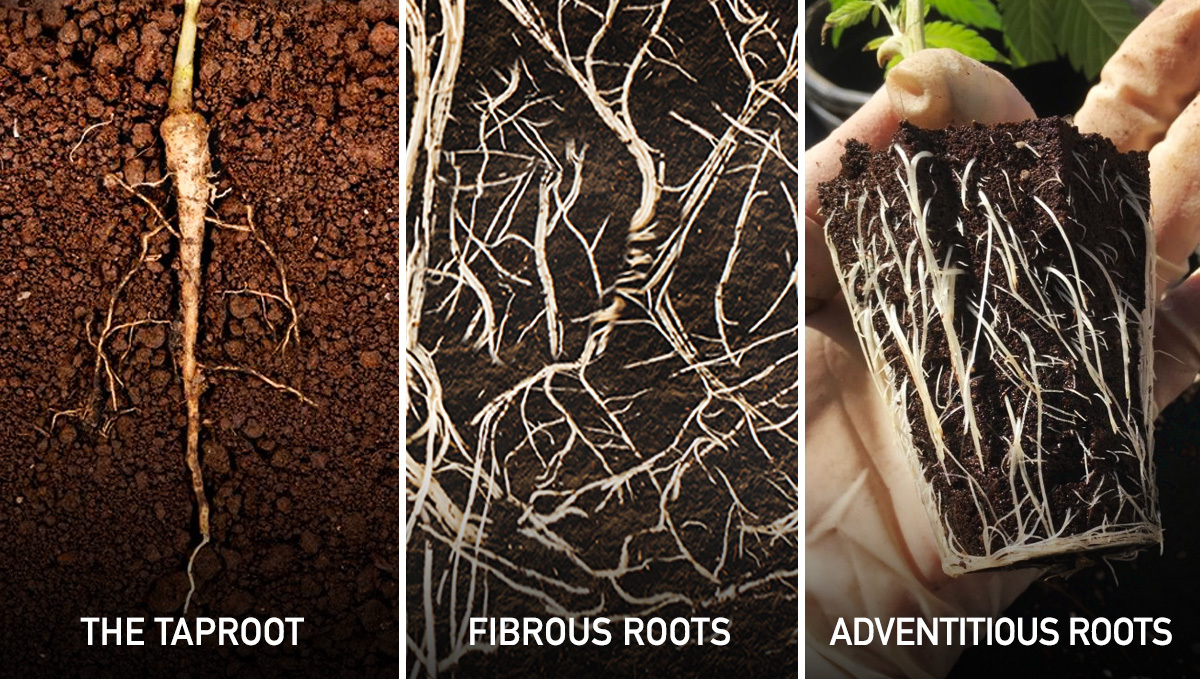
Have you ever wondered how your plants managed to survive high winds and brutal storms? You have the taproots to thank for this! Secondly, taproots also serve as storage units. Think about it. Roots are tasked with taking up water and nutrients from the soil—two things that cannabis plants must receive regularly to survive. However, cannabis plants don’t need to push everything they obtain from the soil up to the aerial parts of the plant straight away. Therefore, the large taproot has the ability to hold on to these (holding them safe underground) until they are needed in the stem, branches, leaves, and flowers.
So, what about fibrous roots? As their name suggests, these smaller and web-like roots span out into the soil in many different directions. Their surfaces are covered in hairs, and their main role is the absorption of plant nutrients and water. Whereas the taproot helps to anchor plants and store nutrients, fibrous roots reach out into the soil and bring in vital minerals from further afield. Finally, we have the adventitious roots. These are the roots that occur on cannabis cuttings during the horticultural process of cloning. These roots form from non-root tissue, namely the stems. The eruption of these roots is a survival mechanism in the severed tissue. They reach out in search of a growing medium, nutrients, and water to keep the cutting alive.
2. The Growth Of Roots
The growth of roots occurs mainly during the vegetative stage. Throughout the vegetative stage of a plant, the roots will grow as much as they can and develop a lot of secondary roots and capillaries so that during the flowering stage they can focus on absorbing nutrients and producing big buds. When the roots are growing, it is important to take extra care when watering. The roots are always looking for water in the substrate. If the substrate is too wet, the roots won’t grow, as they don’t need to search for water.
This is the reason why we have to provide the proper amount of water to our plant. This will guarantee vigorous growth. Overwatering is one of the most common errors made when growing autoflowering plants. If you water too much, the roots won’t have access to enough oxygen. This can affect the final yield.
3. The Structure Of Roots
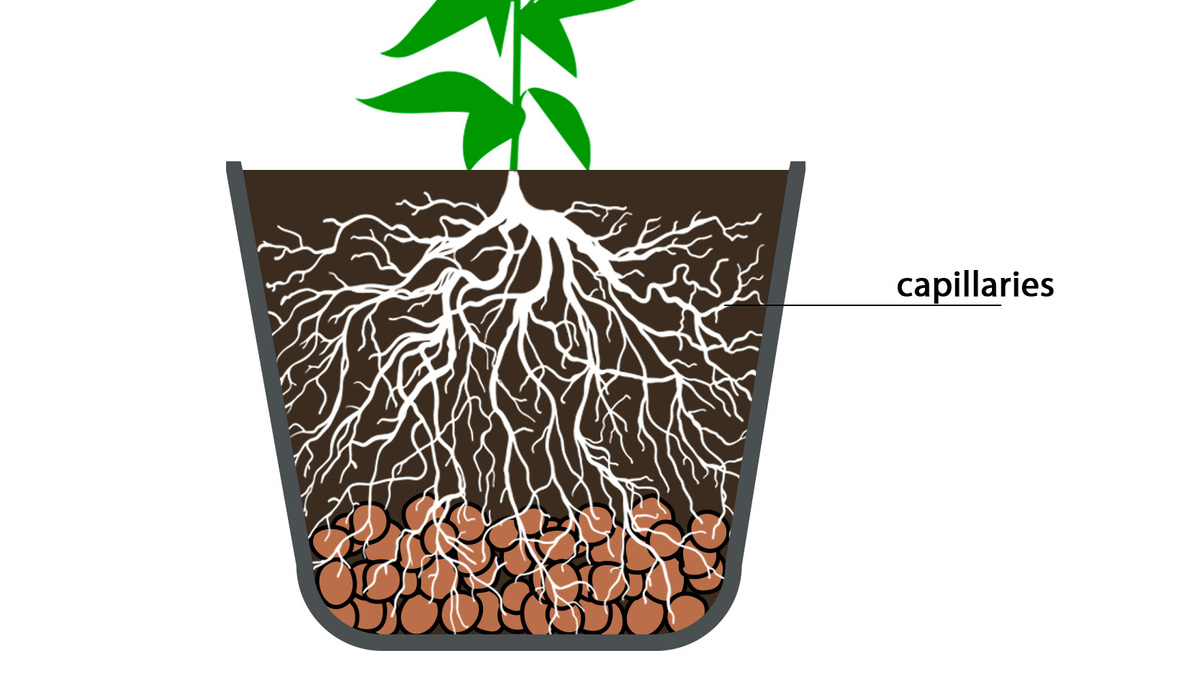
Roots grow in a way that reminds you of a pyramid structure. The main root grows down into the soil while secondary roots grow horizontally from it. These secondary roots grow smaller roots (called capillaries). The roots are responsible for absorbing and transporting water and nutrients for the entire plant.
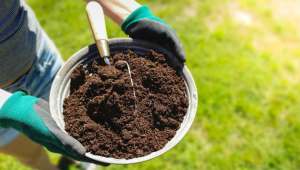
The way roots grow can be affected by the type of medium you’re growing in. If you use a compact medium, the roots will have difficulty growing. This will slow down the roots and will result in slow plant growth. This is common among new growers. We recommend growing in a mix of coco fiber, perlite, and/or soil for best results.
4. The Functions Of Roots
The roots are responsible for a lot of essential functions. One of the main functions of the roots is maintaining the plant firmly anchored to the ground. If the root systems are not developed well, the plant will need support (like a bamboo stick) to prevent it from falling over, especially during flowering. Another very important function is the absorption of nutrients and water. If the plant doesn’t develop the roots well, the plant’s growth and bud production can be severely affected. They also act as storage areas (in conjunction with the leaves and branches) for the starches that a plant needs for survival and help combat soil erosion while providing an area for the beneficial bacteria to live and feed.
5. Cannabis Roots During Flowering
Once the flowering stage has begun, the roots won’t grow like in the vegetative stage. After 2 weeks into the flowering stage, the roots will reduce the rate of growth drastically and focus on absorbing as many nutrients as they can to ensure good bud production.
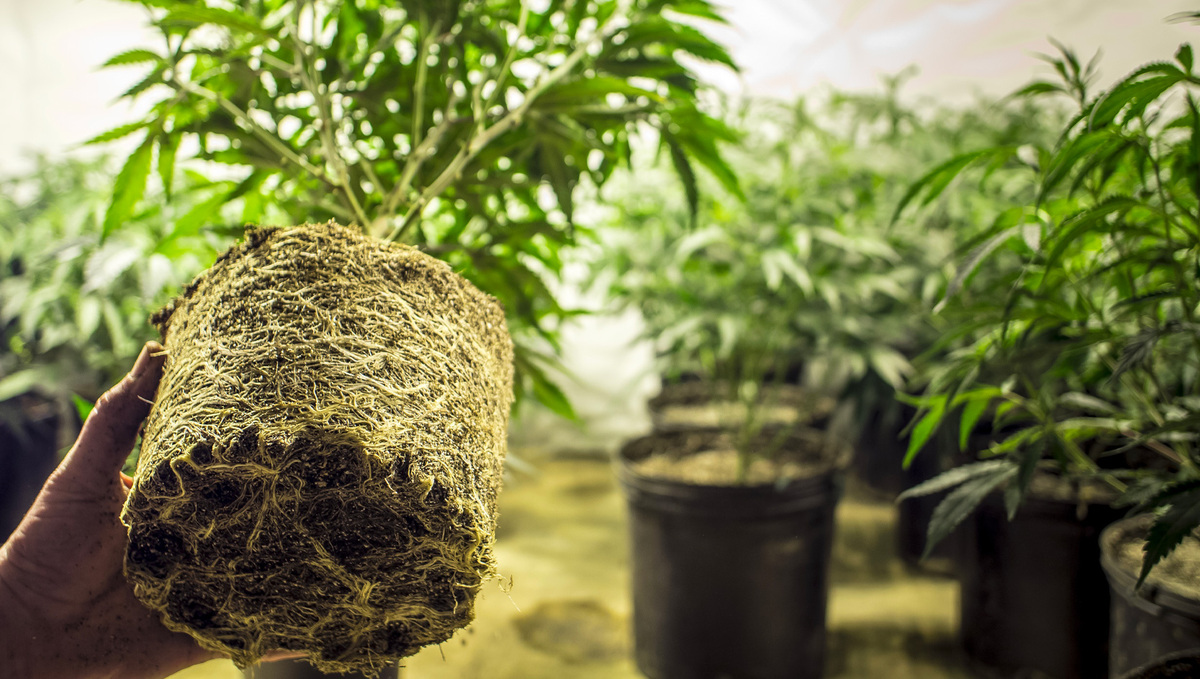
At this stage, you must keep the roots happy. The excess or lack of water will affect plant growth negatively.
6. Flushing The Roots
Flushing is usually done in the last 2 weeks of flowering and consists of watering your plants with plain water to remove any nutrients left in the substrate to ensure a cleaner final product.
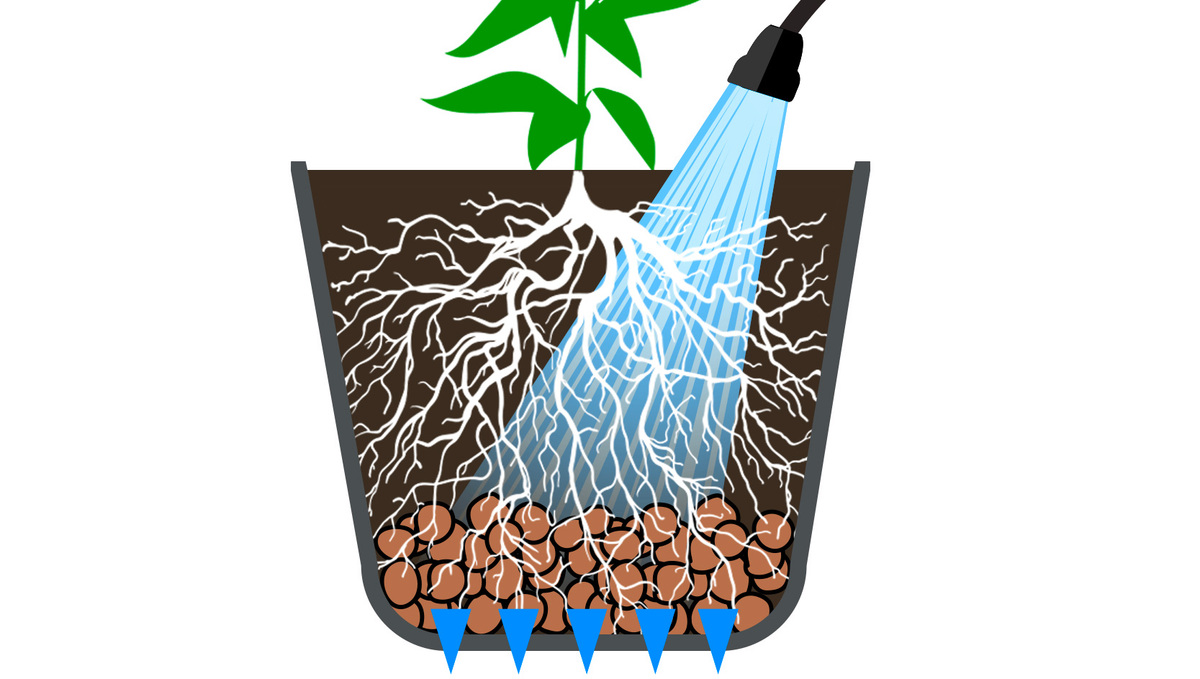
The most important thing is that the leaves turn yellow at the end of the flowering stage. This means the plant is nutrient-free, resulting in a better smell and a tasty, smooth flavor.
7. Main Problems With Roots: Excess And Lack Of Water
The excess of water (known as overwatering) happens when the medium stays wet for a long period of time.
During this period, the roots can’t obtain enough oxygen, and when this happens, the damaged roots are unable to absorb water and nutrients properly and can eventually drown. If the problem continues for several days, the plant will begin to droop, and the leaves may start turning yellow. At this stage, the damage can become severe, and if too much of the root system has died, the plant may be unable to recover.
Just as excess water can damage the roots, a severe lack of water (underwatering) can cause them to dry out and die, preventing the plant from absorbing water and nutrients properly. Although a dehydrated plant can often be rehydrated if the problem is caught early enough, prolonged underwatering can cause permanent root damage. Even if the plant recovers, the loss of healthy roots can significantly affect its growth and final yields.
8. The History of Medicinal Use of Cannabis Roots
The recorded history of cannabis roots in medicine stretches a long, long way back, is mentioned throughout recorded history multiple times, and seems to have its roots reaching all the way around the globe. The first written records come from 2700 BCE in The Classic of Herbal Medicine, an ancient Chinese text from the Shen-Nung dynasty. This text describes its use as a pain reliever and offers a recipe where the roots are first dried, then ground up and mixed with water to form a thick paste. This paste was then smeared onto the affected area. It was also widely used in the Roman Empire in certain periods. Gaius Plinius Secundus (AD 23/24 – 79), better known as Pliny The Elder was a Roman author, naturalist, and natural philosopher, with his best-known work being Naturalis Historia. In it, he describes using the root as a base for a herbal tea which was used to treat a wide range of ailments - from gout to joint pains, and even menstrual cramps. There are reports that cannabis roots were used as an anti-hemorrhagic to stop bleeding in the ancient world. Although these claims have less recorded historical backing, there is still some evidence to back this one up.
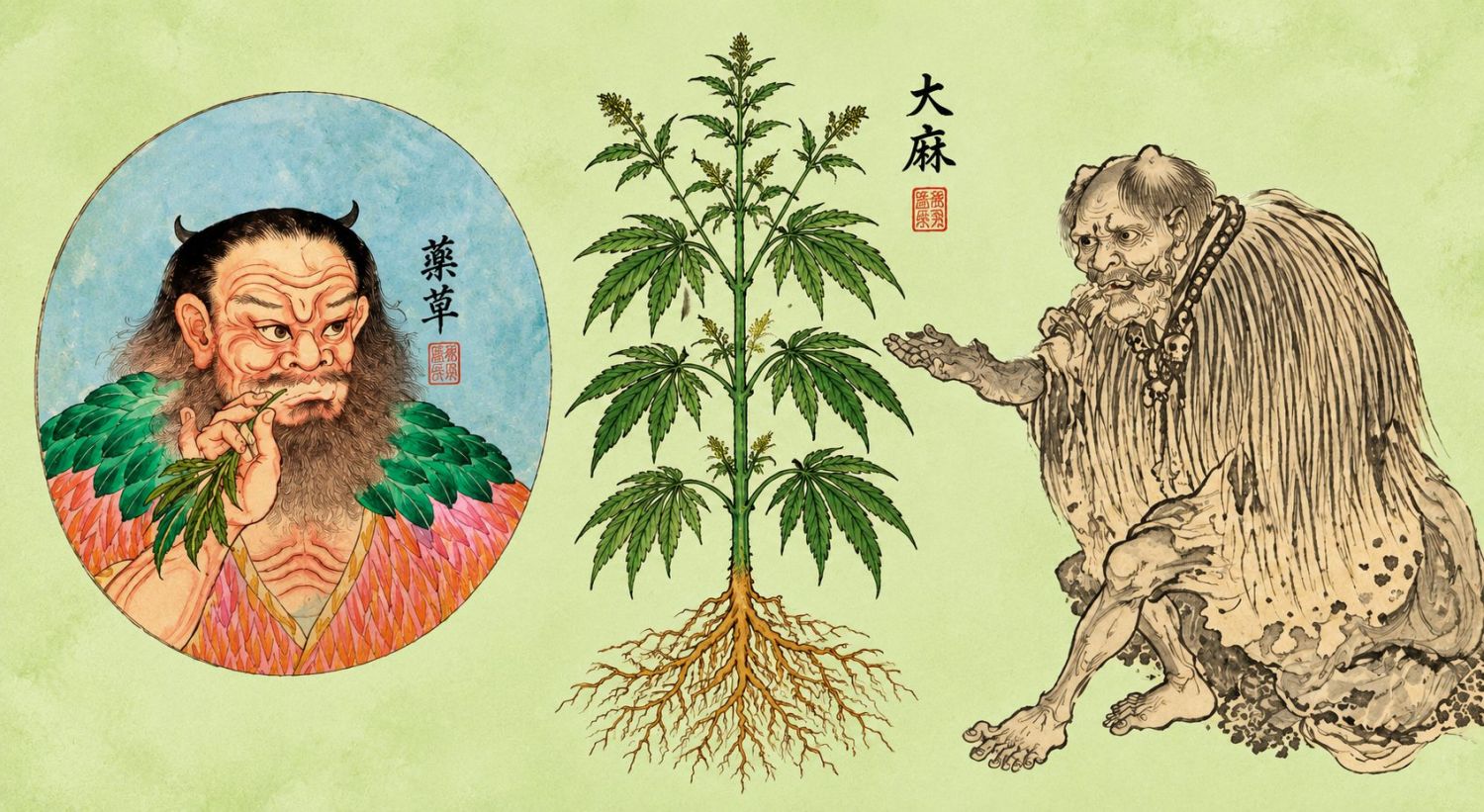
In ancient Greece, the medical journalist and writer Oreibasius (c. 320 – 403), who was also the personal physician of the Roman emperor Julian, wrote that dried cannabis root could be used to treat and prevent many dermatitis issues, and was effective in soothing burns when used in a paste form. Queen Victoria was known to use a cannabis bud and root tincture to ease a range of medical issues, and the well-known English physician William Salmon, who practiced during her reign, combined barley and cannabis root to make a paste that was used to treat sciatica and pelvic pain. It has also been used in modern medicinal practices. A 1971 study found that cannabis roots were full of liver-protecting antioxidants. Up until (and well after) the prohibition of weed came into effect, American doctors used the root of the hemp plant as an effective anti-inflammatory. This is thanks to the presence of pentacyclic triterpene ketones, which have been proven to have strong antimicrobial and anti-inflammatory effects.
9. Ways You Can Boost Root Development
There are a bunch of ways that you can help boost your plant's root growth and health. There's a term in scientific horticulture called Integrated root zone management. This is used when a grower takes the whole range of root growth factors into account to ensure they provide the best conditions for root stimulation and growth. This includes the nutrients, gas, water, temperature, and the growing substrate where a plant’s root zone resides.
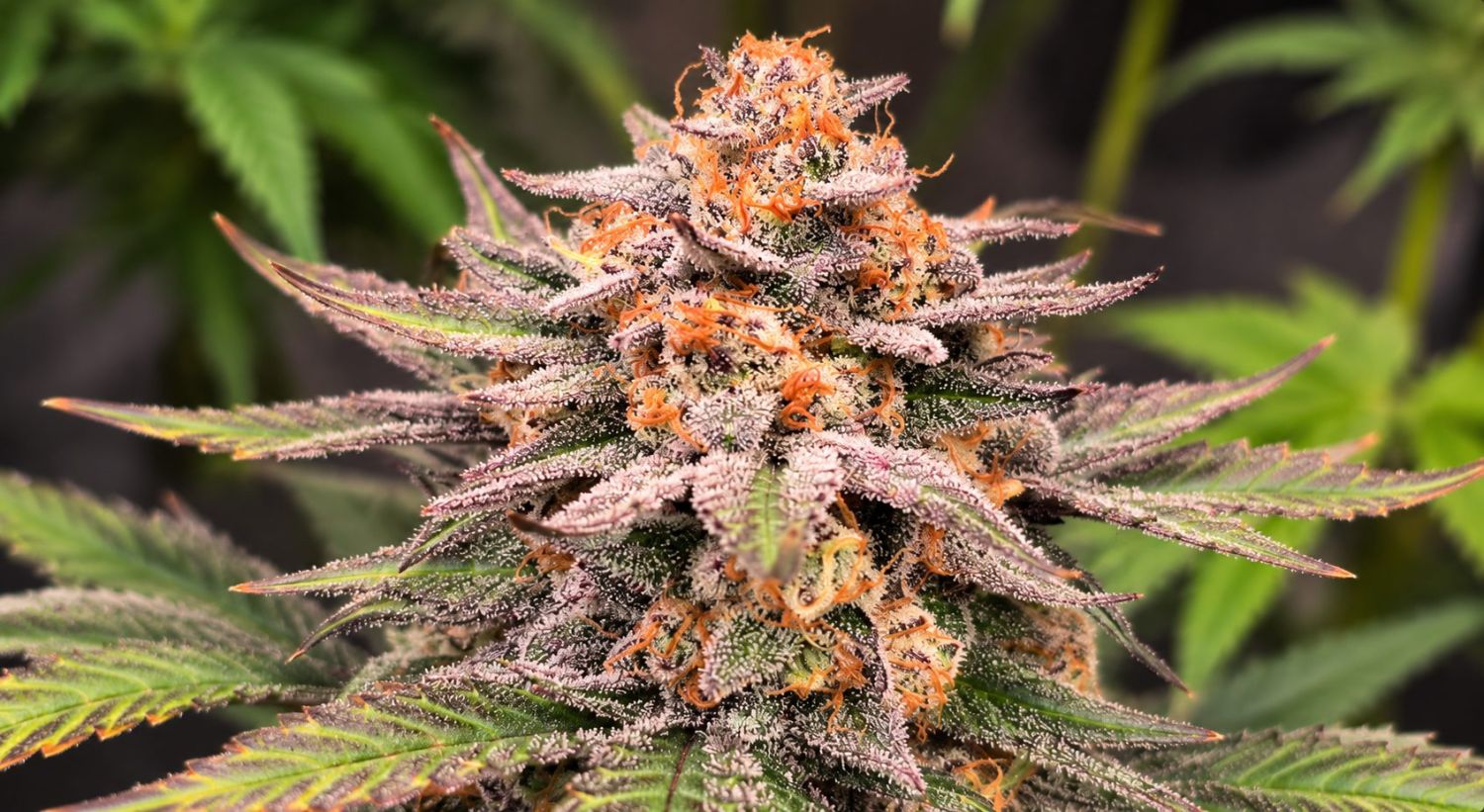
In terms of temperatures, 15° to 30°C (59 to 86 °F) is considered to be the accepted growing range, with optimal conditions being 20° to 24°C (68 to 75 °F). When the temps swing above 30.5°C and below 14.5 °C, you can expect the growth of your plant's roots (and subsequently the entire plant) to be diminished, with decreased potency levels and smaller yields. If a cannabis plant is forced to spend multiple days in temperatures below around 11°C and above about 40°C, the plant will most likely die pretty quickly. When it comes to gas, oxygen plays the most important role. There are studies showing that root zone areas that have 20 and 30 ppm of O2 will be fine and encourage vigorous root growth. If you are a soil cannabis cultivator, you can add stuff like perlite or vermiculite to help the root zone reach higher oxygen levels, or you could switch to coco-coir growing. Coco-coir is an inert substrate that offers many of the advantages of both hydro and soil growing and can lead to up to a 70% increase in root zone oxygenation when compared to pure soil growth.

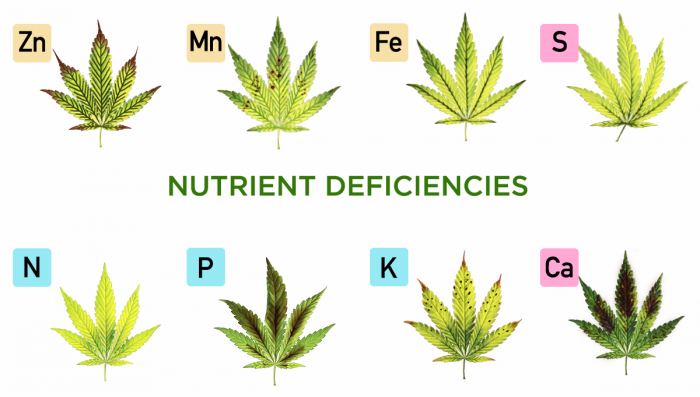
By providing the right nutrients at the right time, you are going to give your cannabis crop the best chance to yield big, frosty nugs. While phosphorus and potassium are the two main nutrients associated with root growth, the amounts that are needed change as the plant develops. Luckily, there is an almost never-ending range of nutrients now available. Check out our handy feeding guide for auto-flowering plants if you need some straightforward pointers, or our explainer on the nutrients most important in plant development.
Cannabis Root Stimulators
Apart from the macro and micronutrients that all plants need to live, there are some additives that can help a crop reach its full potential. These rooting liquids, gels, or powders use plant hormones (auxins), vitamins, and many other components to help promote vigorous growth in the early stages of a cannabis plant's lifecycle. This early boost can have a huge effect on the final product. Some of our favorite rooting stimulants include:
- Canna Bio Rhizotonic - Canna is one of the largest and most widely trusted cannabis nutrient companies. They have been around for decades and produce some of the highest quality products on the market. Their Canna Bio Rhizotonic is a certified 100% organic root stimulator and is just a great and easy-to-use product.
- Voodoo Juice - It's one of the most stacked root stimulators on the market. Among other ingredients, it offers 5 5 different microbial strains loaded with rooting hormones.
- Hesi Root Complex - Again, a super-stacked root stimulator from a country with a rich history in the cannabis cultivation sector. It includes essential trace elements, enzymes, and amino acids B1 and B2 - these all combine to promote the highest nutrient assimilation possible.

Beneficial Microorganisms for Cannabis Root Systems
The underground world of root systems is often overlooked, but for a healthy root ball, there has to be an even healthier ecosystem of nutrients and beneficial microorganisms. These include fungi and bacteria that feed off the root system and have a synergistic relationship with the plant. Two main types of fungus are commonly used in horticultural additives:
Mycorrhizae
Mycorrhizae are beneficial fungi that have been implemented in a widespread fashion throughout the entire horticulture industry and have been used to boost the outcomes of cannabis cultivation for decades. These natural, organic microorganisms grow in association with the roots of a plant and essentially extend the reach of the root system.
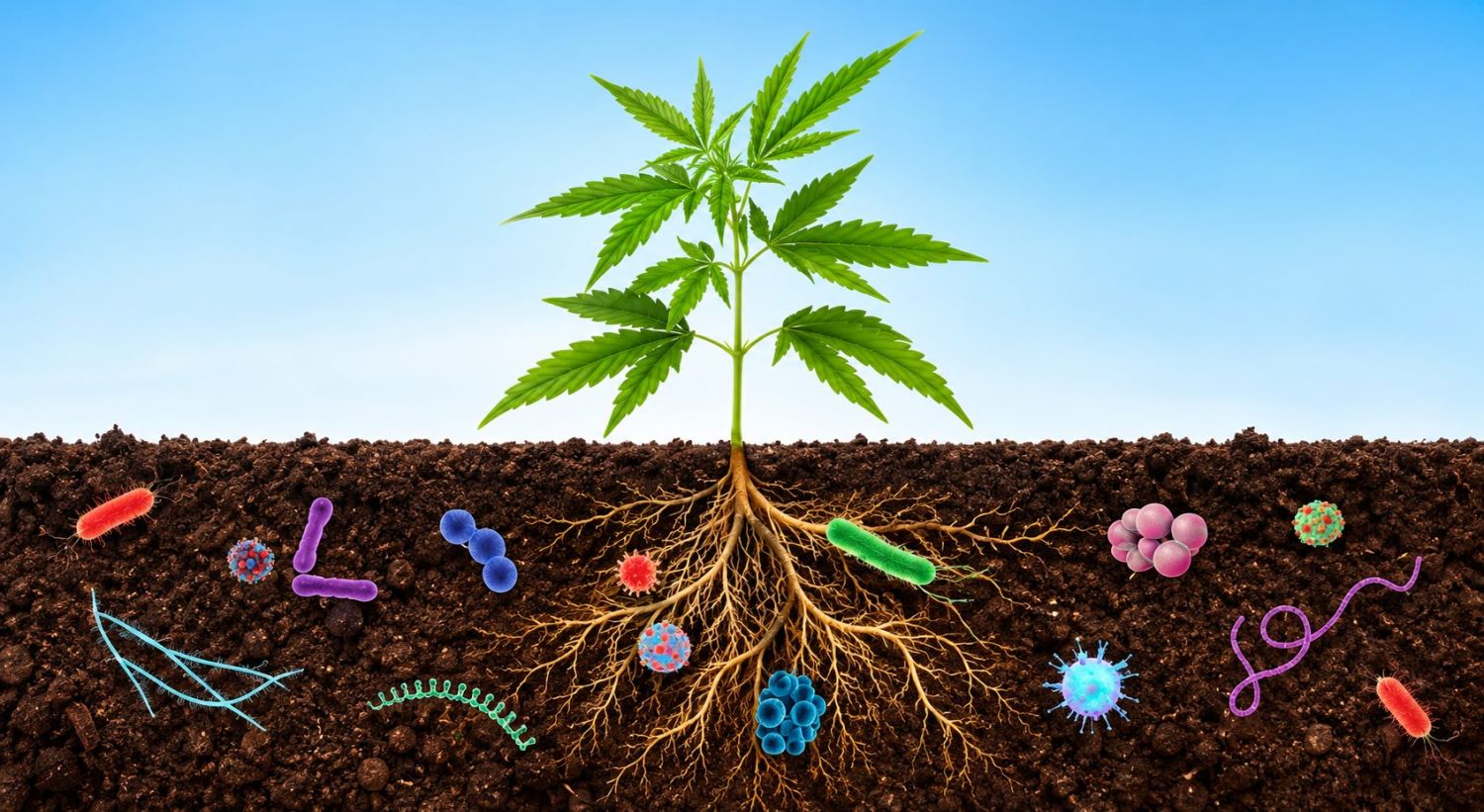
This helps with the absorption of macro- and micronutrients, improves the rate and efficacy of water absorption, which helps during times of drought and stress, helps fight off any diseases that may be present in the growing medium, and helps in replenishing soil depleted by seasons of overuse. There is an abundance of products specifically marketed toward cannabis growers that contain mycorrhizae, and every reputable hydro store should have a range available. It will usually come in a powder or granule form and can be applied at any stage of the plant's lifecycle. Keep in mind that it will take around a month for a colony of mycorrhizae to form, so if you are growing in soil or coco-coir, it can be helpful to dose the medium in advance.
Trichoderma
Trichoderma is a beneficial fungus that comes with multiple advantages for weed growers. The main reasons why it has such widespread involvement with plant cultivation are pathogen control (in particular, it is quite effective at fighting pathogenic fungi that can quickly destroy a root system), helps the plant with increased stress management, promotes root growth and depth, increases the water retention of the root ball and the surrounding medium, and boosts overall plant growth with increased levels of hormones named phytohormones. Then we have beneficial bacteria. When most growers hear the word bacteria, they instantly think of the bad stuff, but there are a couple of strains of bacteria that can give you a huge growing advantage. These single-celled beauties offer a wide range of plusses - the main ones being quicker decomposition and their disease-fighting abilities. Look for additives that contain:
- Bacillus licheniformis
- Bacillus azotoformans
- Bacillus negaterium
- Azotobacter chroococcum
- Bacillus subtilis
- Paenibacillus durum
- Paenibacillus polymyxa
- Pseudomonas fluorescens
10. In Conclusion
Knowing all this information about roots, we can agree that we have to be extremely cautious with the roots of our plants. They are what provide the nutrients and water for our plants to survive. Any kind of mistreatment could have serious consequences. If you are new to growing cannabis, it is better to start growing strains that are more resilient and can take heavy feeding. We recommend our new Strawberry Gorilla RF3 Auto.















FAQ
Healthy cannabis roots are generally white to cream-colored and firm. In soil, they should spread throughout the growing medium, while healthy hydroponic roots typically appear clean and well-branched.
Roots need oxygen for cellular respiration, which provides the energy required for functions such as nutrient uptake and growth. Poorly oxygenated root zones can slow development and eventually damage the roots.
Brown roots can be caused by root rot, overwatering, poor oxygenation, high root-zone temperatures, or other forms of root damage. However, some nutrients and organic additives can also stain otherwise healthy roots, so color alone isn't always enough to diagnose a problem.
Mildly damaged roots can often recover when the underlying problem is corrected. Recovery becomes less likely when a large portion of the root system has died or when severe rot, drought, or other damaging conditions have persisted for too long.
Maintain a well-aerated root zone with good drainage, appropriate moisture, suitable pH and temperature, and balanced nutrition. Avoid chronic overwatering, severe drought, excessive fertilizer, and conditions that encourage root pathogens. Healthy roots provide the foundation for healthy growth and better yields.
The ideal pH depends on the growing method. Soil is generally maintained at a slightly higher pH (6.5 - 7.0) than hydroponic and soilless systems (5.5 - 6.3). Keeping pH within the appropriate range helps roots access essential nutrients efficiently.
Yes. Roots absorb mineral nutrients dissolved in water, primarily through their younger tissues and root hairs. Healthy roots and suitable root-zone conditions are therefore essential for effective nutrient uptake.
Healthy growth and normal water uptake are good signs. Persistent drooping despite a wet growing medium, slow growth, yellowing, or signs of root decay can indicate that the root zone is staying too wet and lacks sufficient oxygen.
Yes, although the rate and pattern of root development change as the plant matures. A strong root system established before and during early flowering helps support the plant's increasing demand for water and nutrients.
Yes. Cannabis can become root-bound when its roots fill the available container and begin circling around themselves. Severe root restriction can interfere with water and nutrient uptake and limit plant growth.

Comments